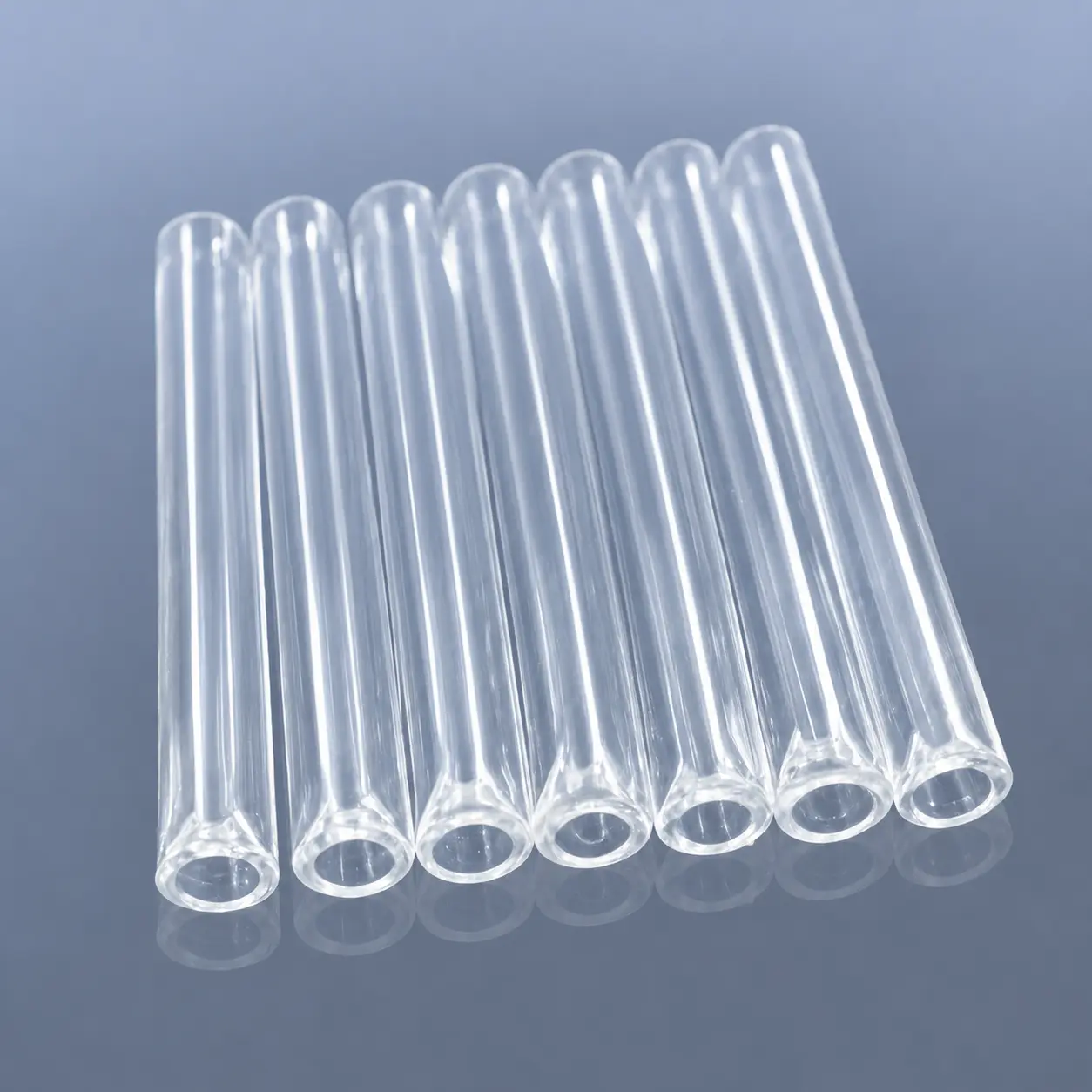



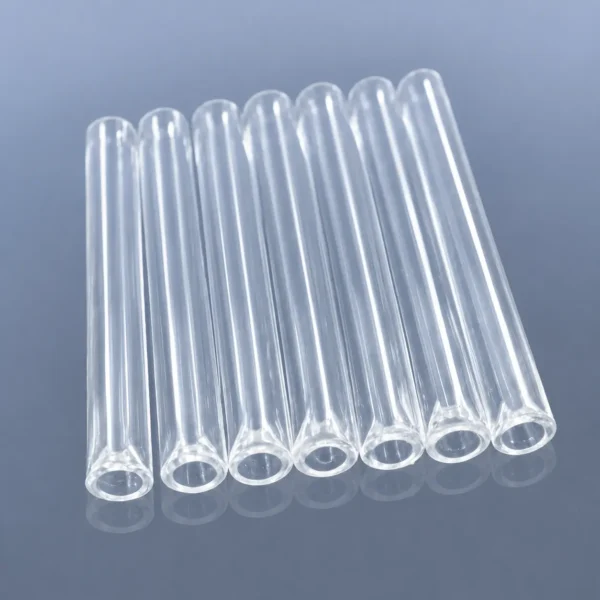
Large-Bore Glass Capillary Tubes
Precision Glass Capillaries for Fiber Optic Packaging and Custom Assemblies
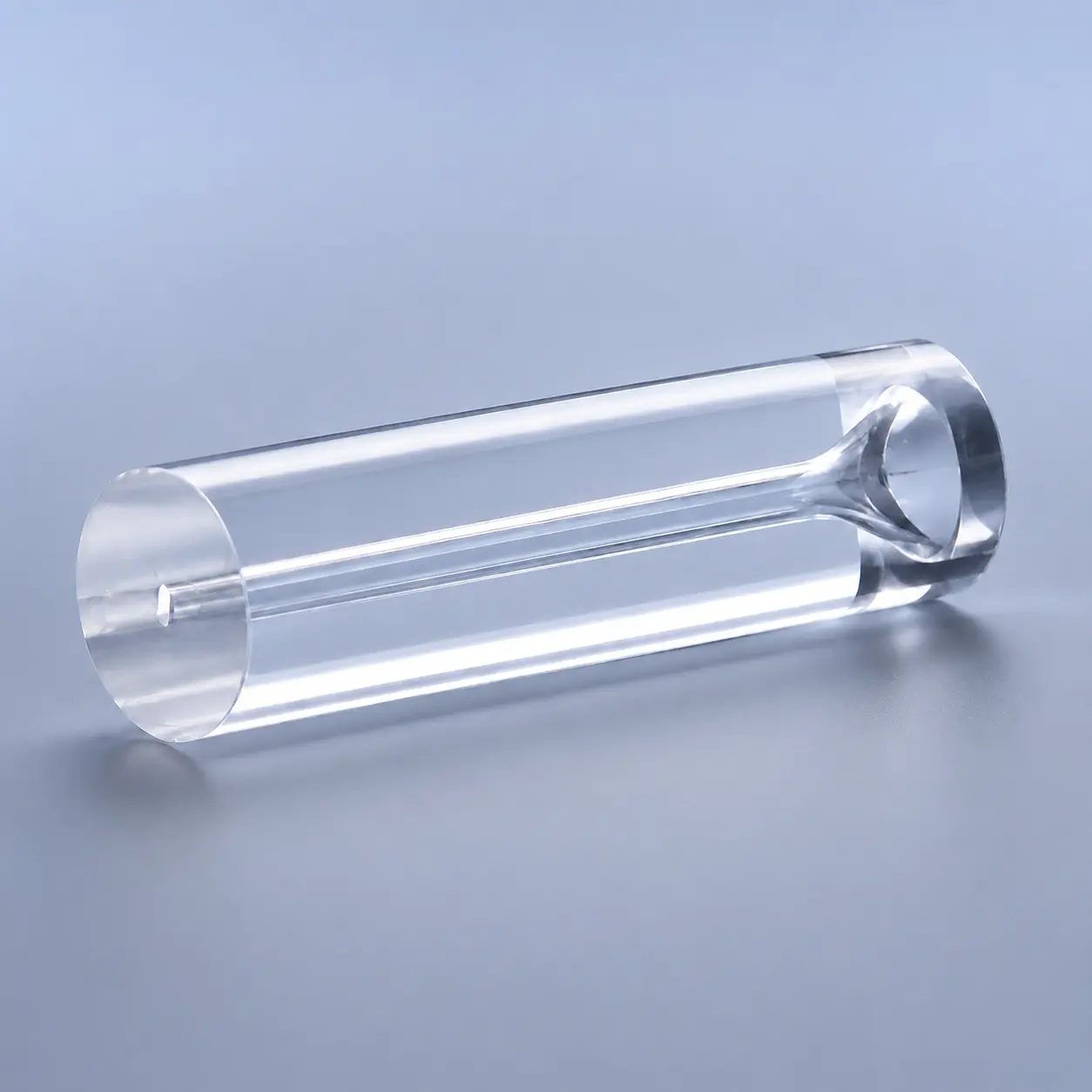
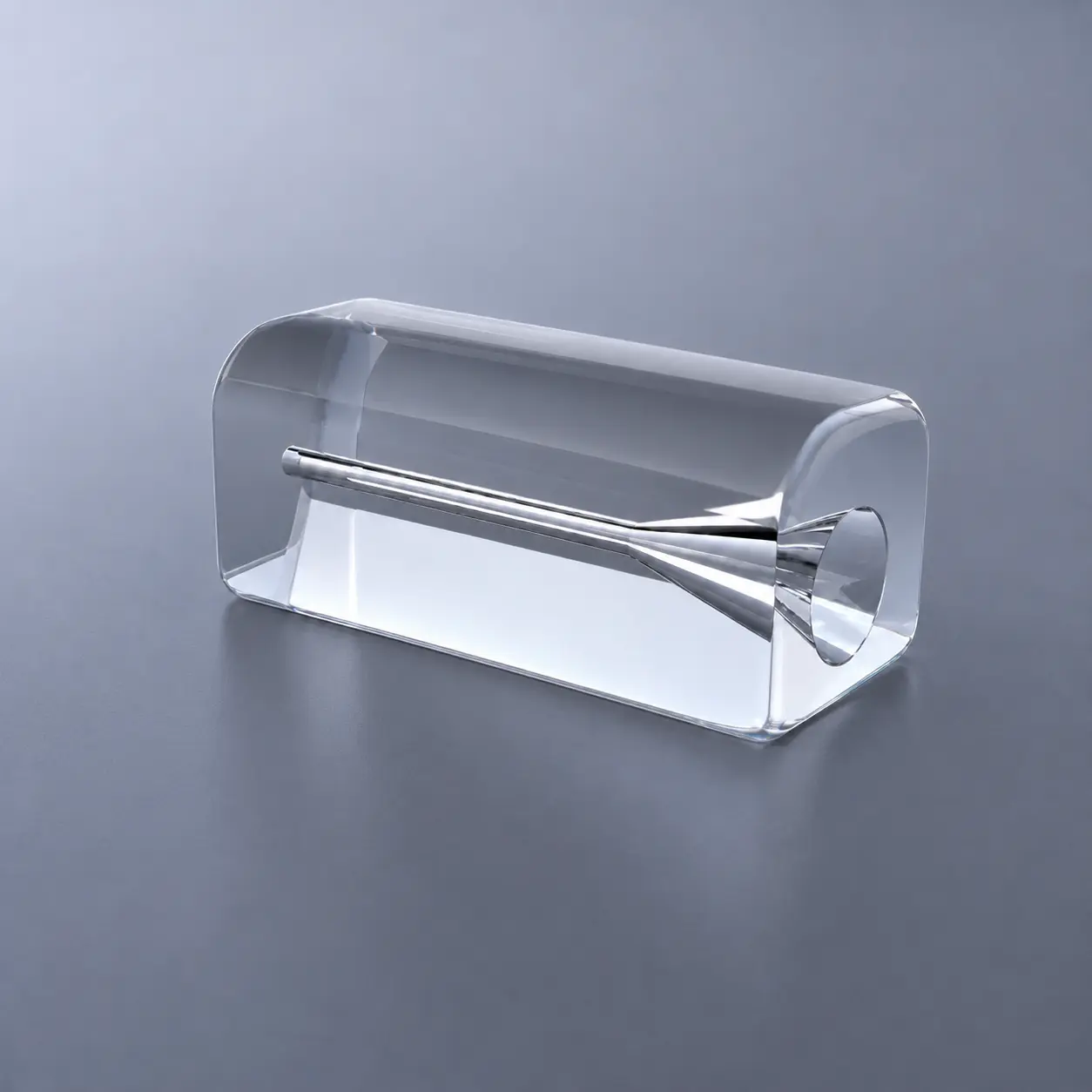
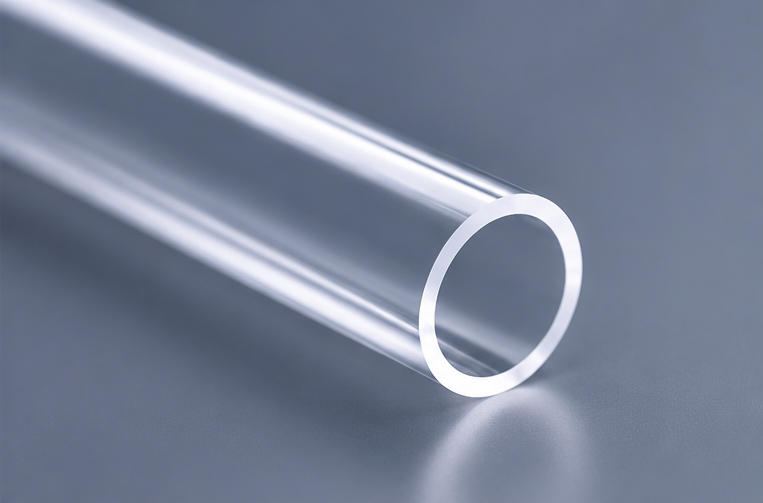
BYNET large-bore glass capillary tubes are designed for applications requiring a larger internal passage than conventional small-bore fiber alignment capillaries. With a nominal inner diameter range of 0.207–0.570 mm, these tubes can be considered for optical fiber packaging, component support, and precision micro-optical assemblies.
The larger bore provides additional space for fiber components or other small cylindrical elements, depending on their dimensions and the required assembly clearance.
Product Overview
Large-bore glass capillaries provide a compact tubular structure for supporting, protecting, or accommodating optical fibers and small components during assembly.
Compared with tight-fitting single-fiber alignment capillaries, larger bore configurations offer greater internal clearance. This can be useful when accommodating larger-diameter fibers, coated fiber sections, or application-specific components.
Bore selection must consider the actual dimensions of the inserted component and the intended method of fixation. A larger bore does not necessarily provide more precise fiber alignment.
BYNET offers reference dimensions and can review custom specifications based on customer drawings and application requirements.
Key Features
- Larger Internal Bore: Provides additional clearance for compatible fibers and miniature components.
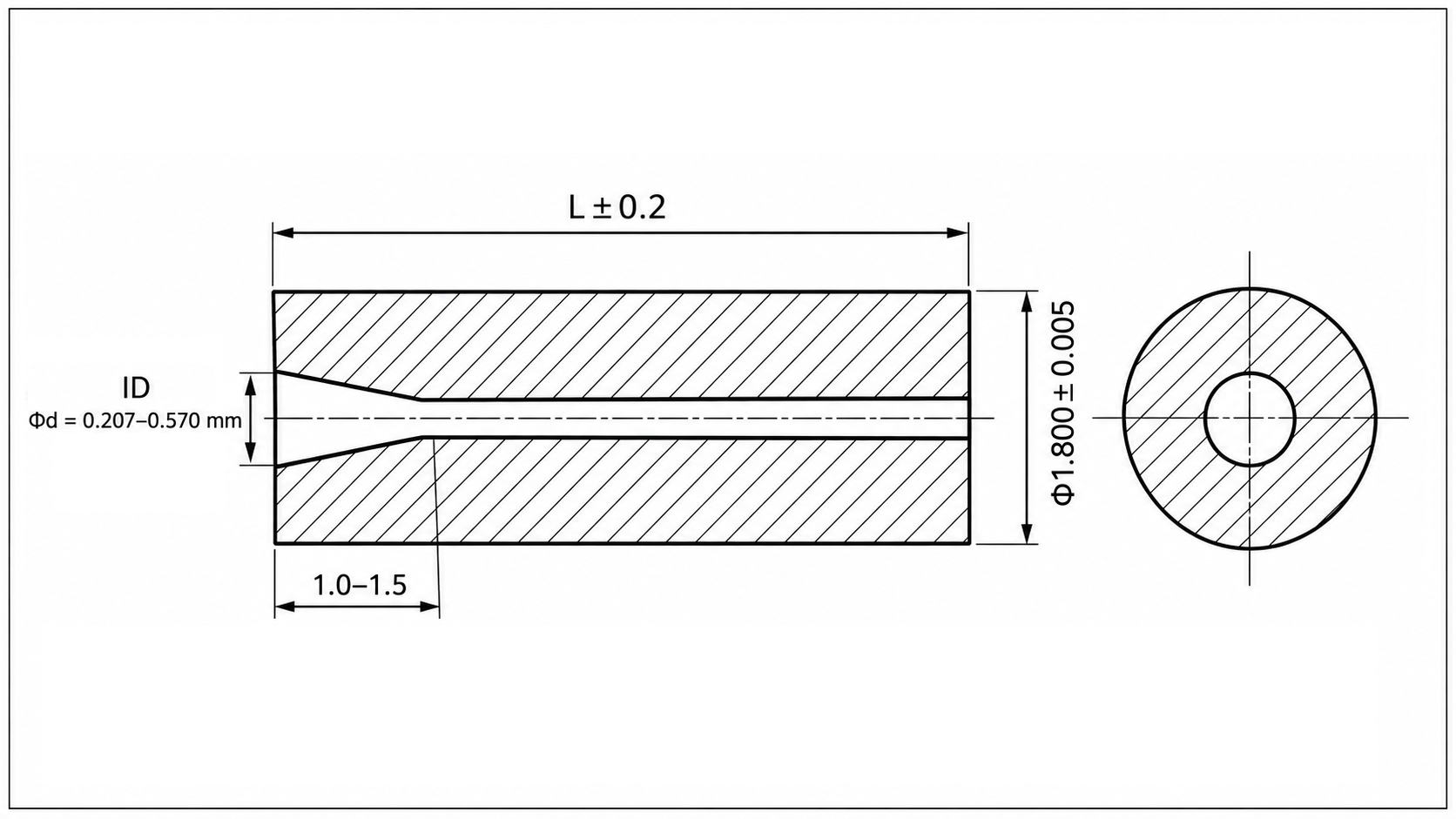
- Defined Outer and Inner Dimensions: Reference specifications include a 1.8 mm nominal outer diameter and multiple bore size options.
- Compact Tubular Structure: Can serve as a supporting or protective element within compatible assemblies.
- Flexible Assembly Applications: Suitable for evaluation in optical fiber packaging and custom micro-optical structures.
- Drawing-Based Customization: Different bore diameters, lengths, and other dimensional requirements can be reviewed according to customer drawings.
Technical Specifications
| Parameter | Reference Specification |
|---|---|
| Product Type | Large-Bore Glass Capillary Tube |
| Outer Diameter (OD) | 1.800 ± 0.005 mm |
| Nominal Inner Diameter Range (ID) | 0.207–0.570 mm |
| Inner Diameter Tolerance | ±0.002 mm* |
| Length (L) | Customizable |
| Length Tolerance | ±0.2 mm |
Applications
Optical Fiber Packaging
Large-bore capillaries can be used as supporting or protective tubular components in optical fiber packaging structures, where the selected bore accommodates the intended fiber dimensions.
Fiber and Component Support
The tubular geometry can accommodate compatible optical fibers or small cylindrical components during bonding, fixation, and assembly.
Micro-Optical Assemblies
Large-bore glass capillaries can be considered for custom micro-optical structures requiring a defined internal passage and external cylindrical geometry.
Research and Prototype Development
Different bore dimensions can be evaluated in optical component prototypes and laboratory assemblies requiring specialized mechanical configurations.
Bore Selection and Assembly Considerations
Selecting the correct inner diameter is important for achieving the intended mechanical fit.
Fiber or Component Diameter
The selected bore must accommodate the actual outer dimensions of the optical fiber, coating, sleeve, or other inserted component.
Assembly Clearance
Required clearance depends on whether the component is inserted freely, bonded with adhesive, or secured using another assembly method.
Positioning Requirements
A larger bore provides more space but may allow greater movement of the inserted component. Where accurate centering is required, the clearance and fixation method must be carefully evaluated.
Material and End-Face Requirements
Glass material, capillary length, end-face condition, and dimensional tolerances should be specified according to the intended application.
Customization and Technical Support
BYNET can review custom large-bore glass capillary requirements based on technical drawings.
Please provide the required outer diameter, inner diameter, length, dimensional tolerances, material requirements, intended component dimensions, and estimated order quantity.
Special end-face or bore-entry requirements should also be included in the drawing when applicable.
Manufacturing feasibility and final specifications are subject to engineering confirmation.
Frequently Asked Questions
Q1: What are large-bore glass capillaries used for?
They can be used for optical fiber packaging, component support, and custom precision assemblies where a relatively large internal passage is required.
Q2: What inner diameter range is available?
Existing BYNET reference specifications indicate nominal inner diameters from 0.207 to 0.570 mm. Individual sizes and tolerances should be confirmed before ordering.
Q3: Can these capillaries accommodate coated optical fibers?
Selected bore sizes may accommodate certain coated fibers. Compatibility depends on the actual coating diameter, dimensional tolerances, and required assembly clearance.
Q4: Does a larger bore improve optical transmission or alignment accuracy?
Not necessarily. A larger bore provides greater mechanical clearance, but optical transmission and alignment performance depend on the overall component design and assembly process.
Q5: Can BYNET provide customized dimensions?
BYNET can review requests for custom inner diameters, outer diameters, lengths, and dimensional tolerances based on customer drawings.
Request a Quote
Looking for large-bore glass capillary tubes for your optical assembly?
Share your required OD, ID, length, dimensional tolerances, technical drawing, and estimated quantity.
BYNET can review your specifications and discuss suitable options for your application.
Request a Quote | Send Your Drawing