


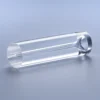
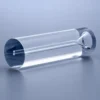
Circular Dual-Fiber Glass Capillary Tubes
Single-Bore and Dual-Bore Glass Capillaries for Optical Fiber Alignment
BYNET circular dual-fiber glass capillary tubes are designed to position and support two optical fibers within a compact glass structure. Available in shared-bore and dual-bore configurations, these capillaries can be used in dual-fiber pigtail assemblies, fiber collimators, and precision micro-optical packaging.
The two configurations provide different options for fiber positioning, depending on the required bore geometry, fiber spacing, and assembly method.
Product Overview
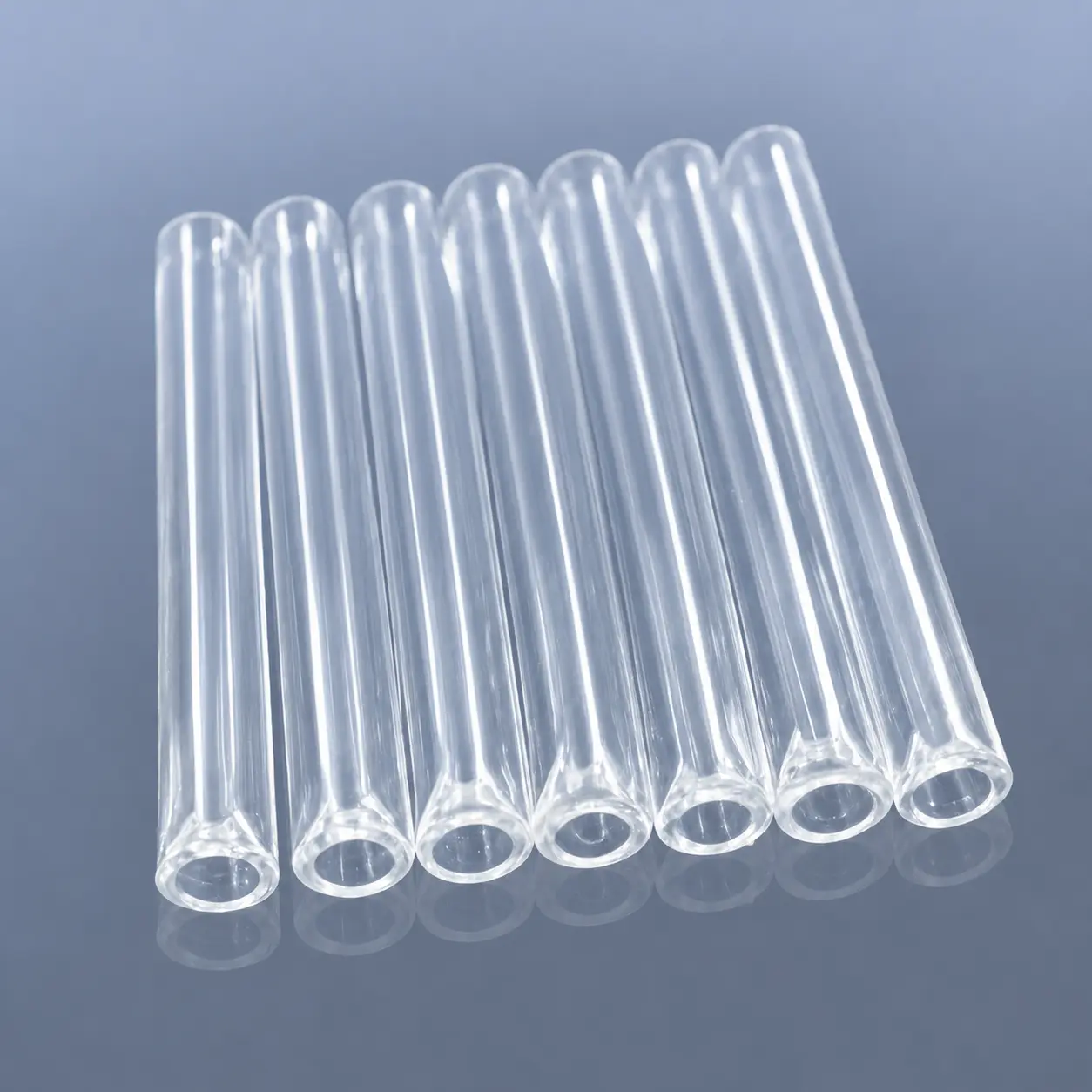
Dual-fiber glass capillaries provide a mechanical structure for holding and positioning two optical fibers during bonding and precision assembly.
BYNET offers two structural configurations:
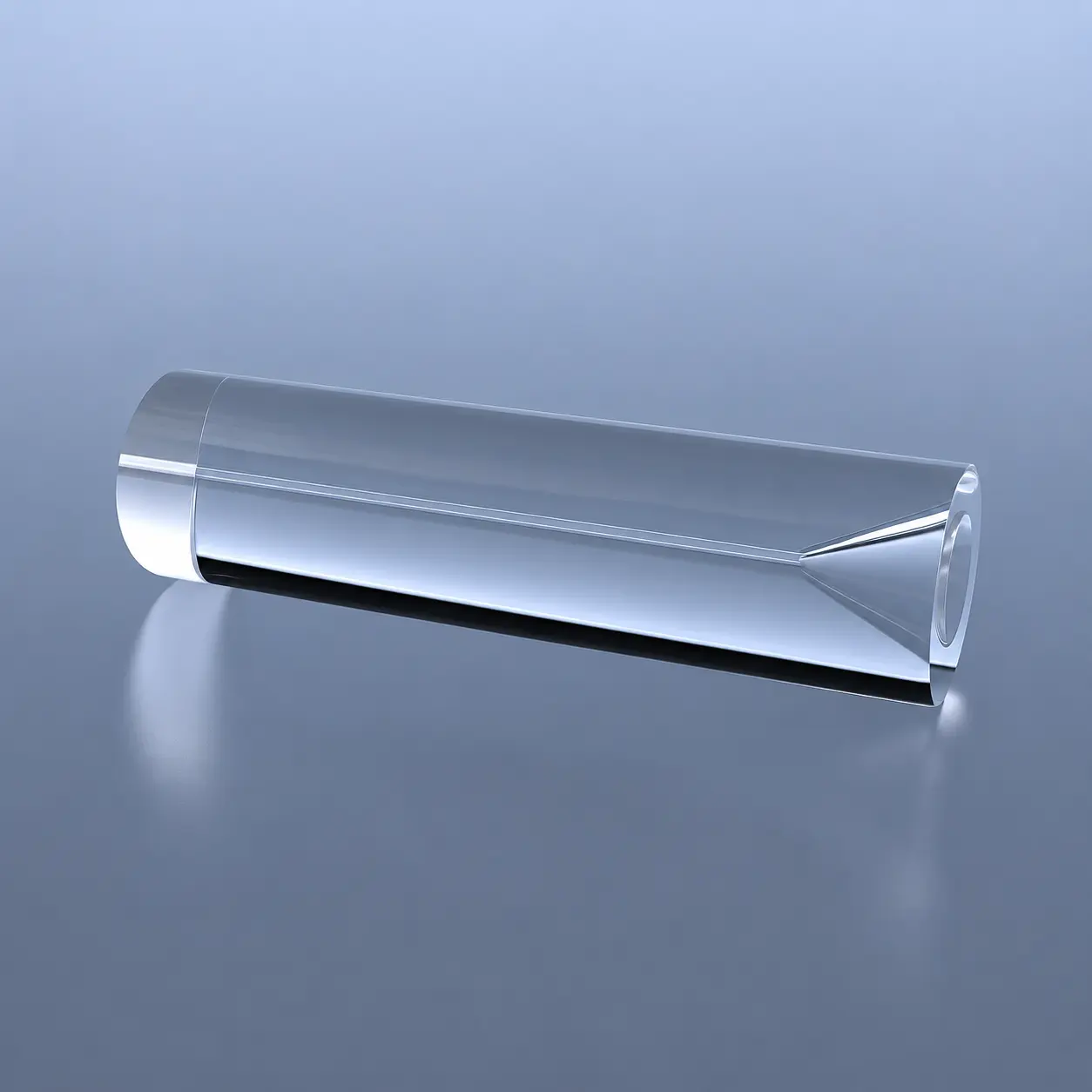
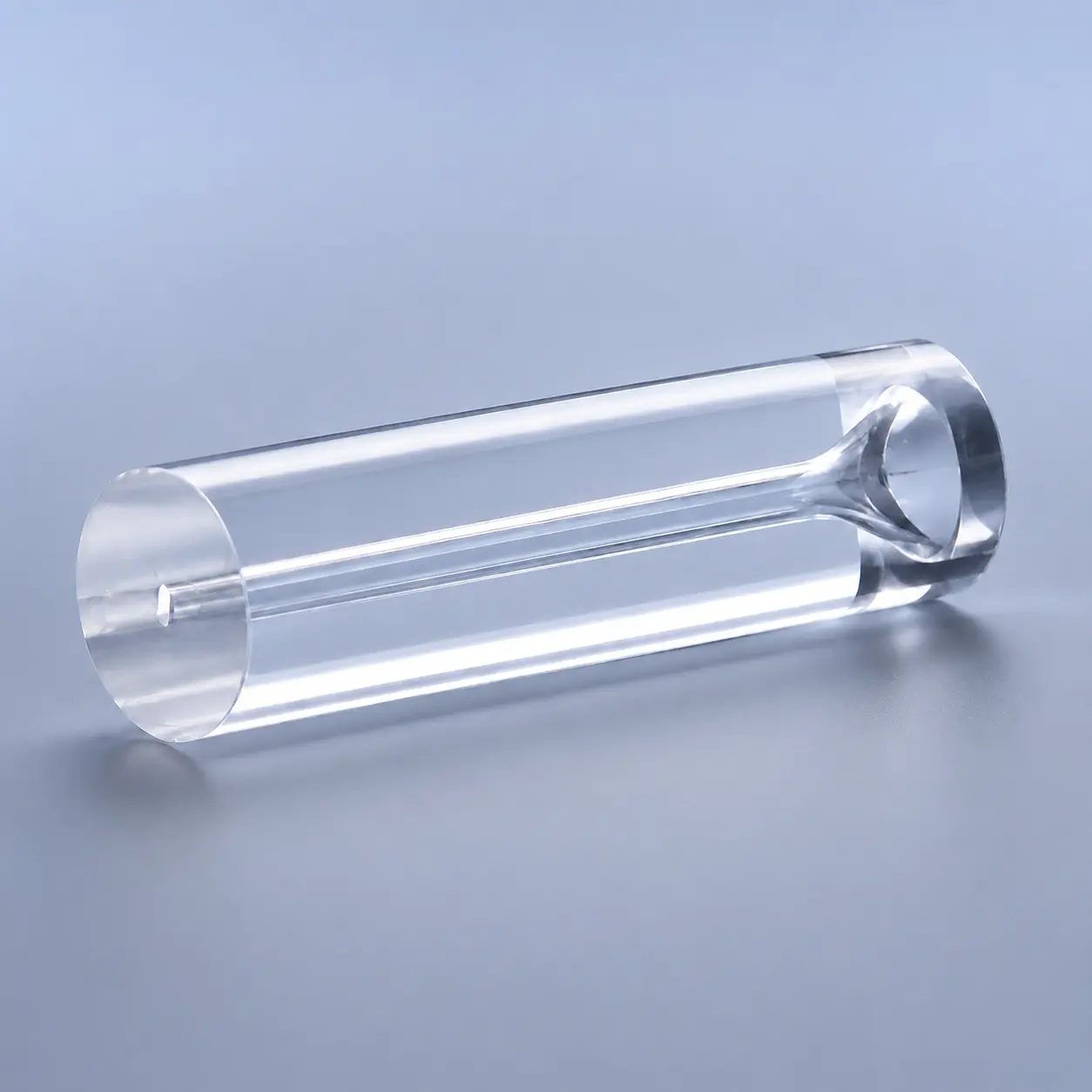
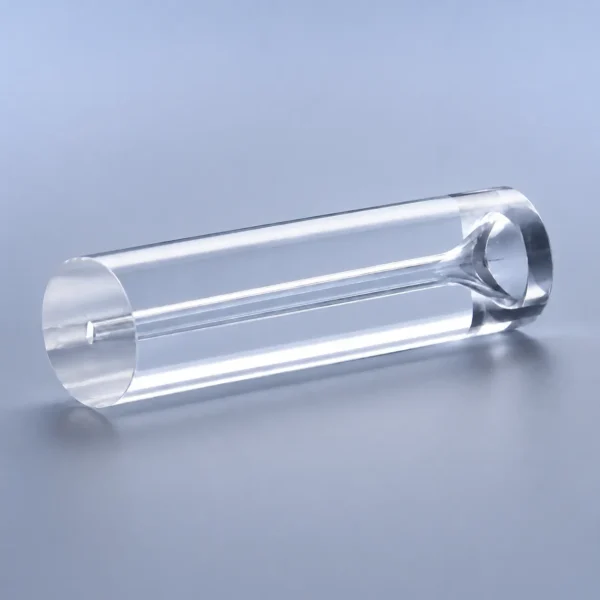
1. Single-Bore Dual-Fiber Capillaries (Shared-Bore Type)
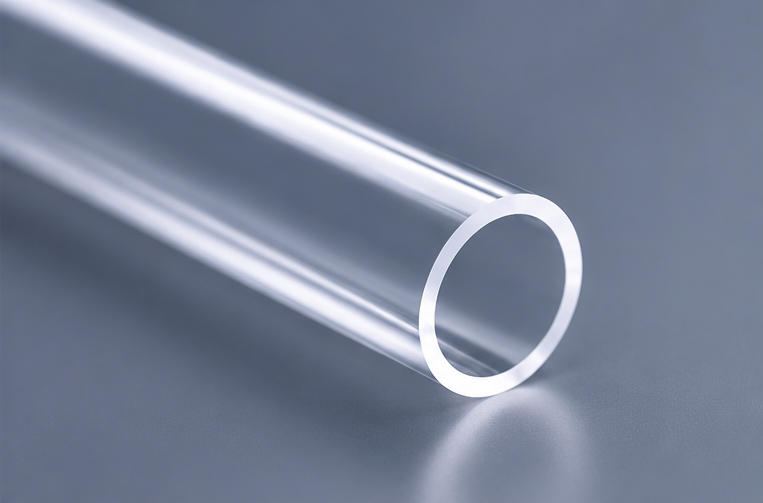
This configuration uses a single elongated bore designed to accommodate two parallel optical fibers within a common channel.
The bore geometry and dimensions must be selected according to the fiber diameters, required clearance, and assembly method.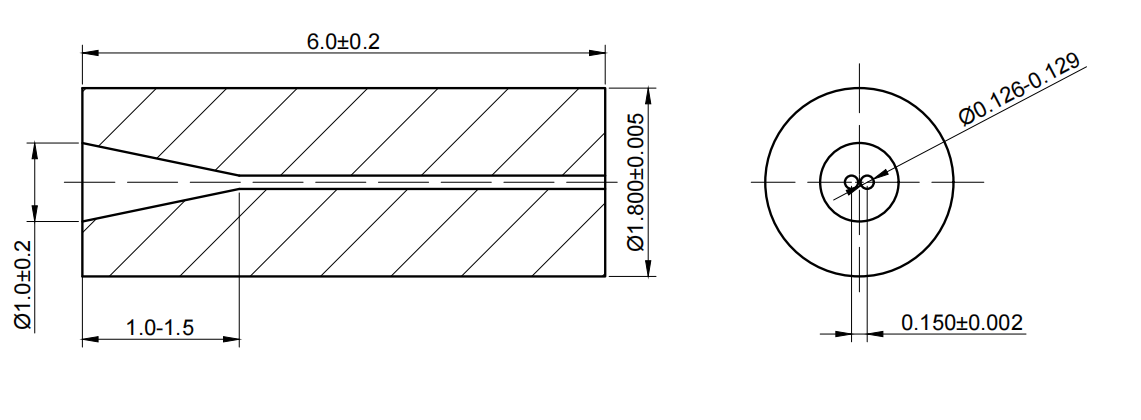
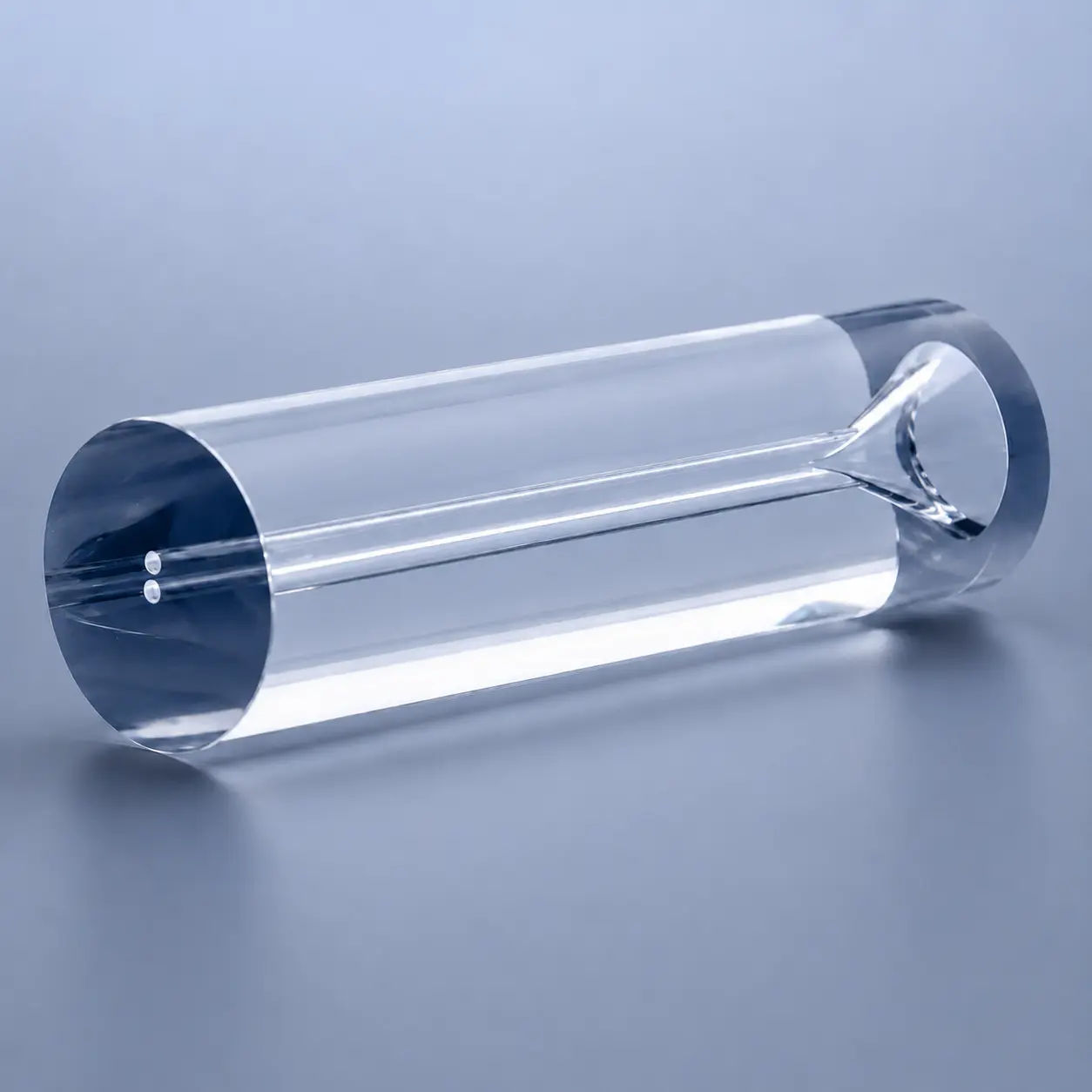
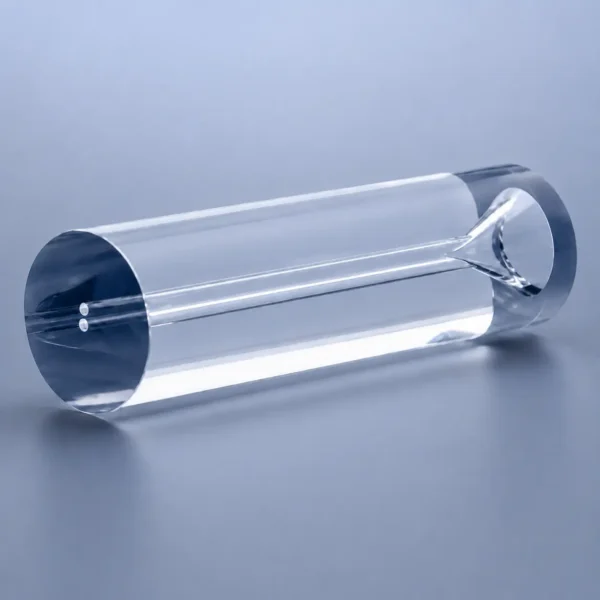
2. Dual-Bore Glass Capillaries (Separate-Bore Type)
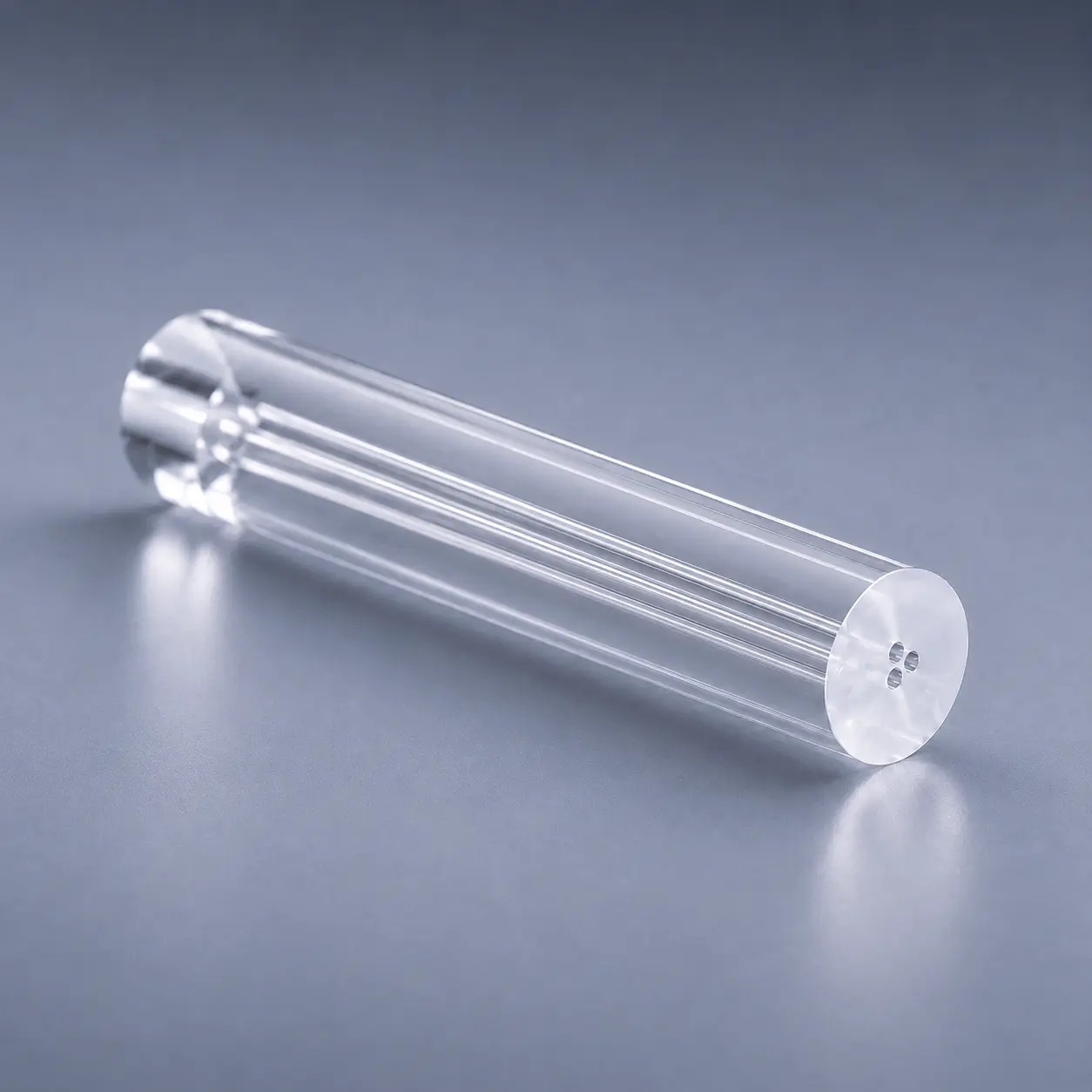
This configuration features two independent, parallel bores within a circular glass body.
Each bore accommodates a separate optical fiber, while the center-to-center distance between the bores provides a defined geometric reference for fiber spacing.
The appropriate configuration depends on the intended optical assembly and positioning requirements.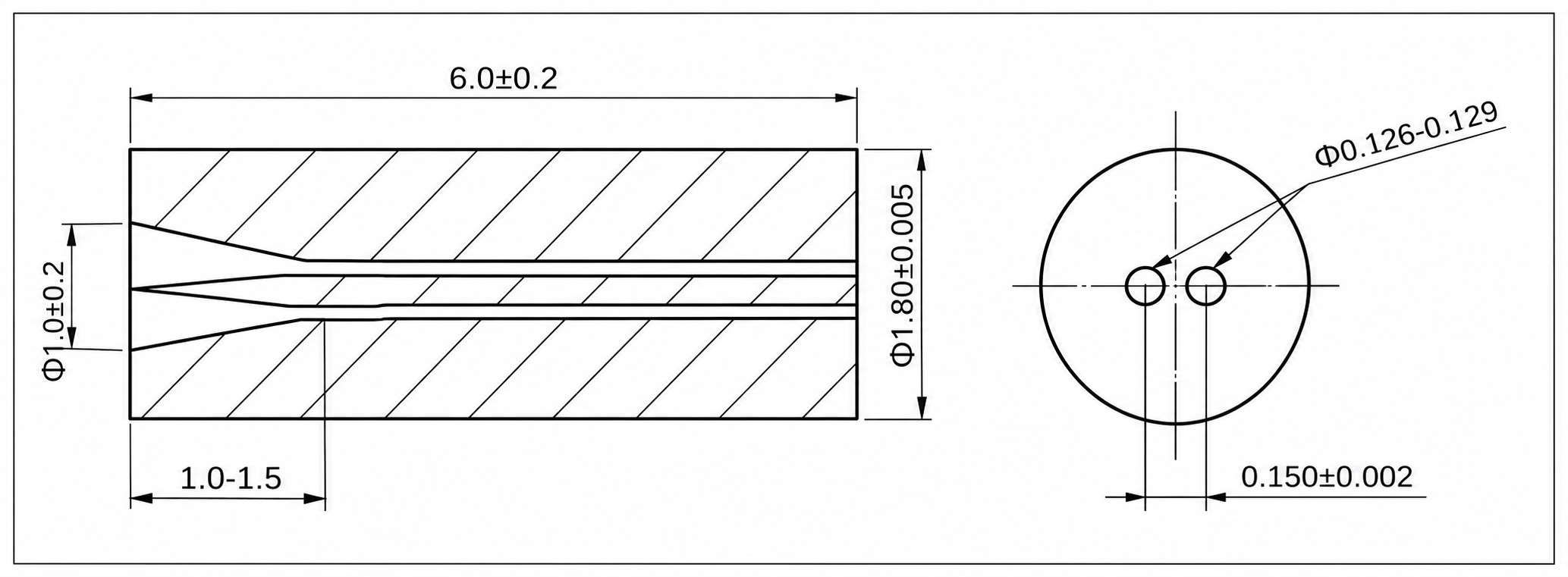
Key Features
- Two Fiber-Positioning Configurations: Shared-bore and separate-bore designs accommodate different assembly requirements.
- Compact Circular Outer Profile: A single glass body provides mechanical support for two optical fibers.
- Defined Bore Geometry: Bore dimensions and fiber spacing can be specified according to the intended assembly.
- Independent Fiber Channels: The dual-bore configuration provides separate passages for two optical fibers.
- Drawing-Based Customization: Outer diameter, bore geometry, bore spacing, length, and dimensional tolerances can be reviewed according to customer drawings.
Technical Specifications
The following outer dimensions and length tolerances are reproduced from existing BYNET reference specifications. Final bore dimensions and geometry should be confirmed against approved technical drawings.
Type A: Single-Bore Dual-Fiber Capillary
| Parameter | Reference Specification |
|---|---|
| Outer Profile | Circular |
| Outer Diameter (OD) | 1.0 ± 0.005 mm / 1.8 ± 0.005 mm |
| Bore Configuration | One shared bore for two fibers |
| Bore Geometry | Defined by approved drawing |
| Bore Dimensions | Defined by approved drawing |
| Length | Customer-specified L |
| Length Tolerance | ±0.2 mm |
Type B: Dual-Bore Glass Capillary
| Parameter | Reference Specification |
|---|---|
| Outer Profile | Circular |
| Outer Diameter (OD) | 1.8 ± 0.005 mm |
| Bore Configuration | Two separate parallel bores |
| Bore Diameter | Defined by approved drawing |
| Bore Center-to-Center Pitch | Defined by approved drawing |
| Length | Customer-specified L |
| Length Tolerance | ±0.2 mm |
Reference dimensions are subject to engineering verification. The final bore dimensions, pitch, material, and inspection requirements should be specified in the approved drawing.
Applications
Dual-Fiber Pigtail Assemblies
Dual-fiber capillaries can be used to position and support two optical fibers within a compact pigtail assembly.
Fiber Collimator Assemblies
Selected configurations can serve as fiber-positioning elements in compatible dual-fiber collimator and micro-optical assemblies.
Passive Optical Component Packaging
These capillaries can provide mechanical positioning and support for two fibers in compatible passive optical component assemblies.
Optical Fiber Bonding and Alignment
Shared-bore and dual-bore configurations offer different mechanical options for positioning two fibers during adhesive bonding and precision assembly.
Custom Micro-Optical Assemblies
Customized bore geometry and spacing can be evaluated for application-specific optical component packaging and alignment fixtures.
How to Select the Right Dual-Fiber Capillary
Choosing between a shared-bore and a dual-bore capillary depends on the required fiber arrangement and assembly process.
Shared-Bore Configuration
A shared-bore design accommodates two fibers within one common channel. Bore shape and dimensions must provide sufficient space for the selected fiber diameters and assembly clearance.
Dual-Bore Configuration
A dual-bore design holds each fiber in a separate channel. Bore diameter, center-to-center pitch, and positional tolerances are important selection parameters.
Fiber Diameter and Fit
For fibers with a nominal 125 μm cladding diameter, the actual cladding tolerances and required assembly clearance must be considered. Bore compatibility should be verified using the intended fiber specifications.
Assembly Requirements
Additional considerations include capillary length, outer diameter, end-face condition, glass material, adhesive compatibility, and required positional tolerances.
Customization and Technical Support
BYNET can review custom dual-fiber glass capillary requirements based on customer drawings and application details.
For technical evaluation, please provide:
- Preferred configuration: shared bore or dual bore
- Outer diameter and dimensional tolerance
- Bore diameter or bore profile dimensions
- Bore center-to-center pitch, if applicable
- Fiber cladding or coating diameter
- Required length and end-face specifications
- Glass material requirements
- Technical drawing and estimated order quantity
Manufacturing feasibility and final specifications are subject to engineering confirmation.
Frequently Asked Questions
Q1: What is the difference between single-bore and dual-bore dual-fiber capillaries?
A single-bore dual-fiber capillary holds two fibers within one shared channel, while a dual-bore capillary has two separate channels, one for each fiber.
Q2: What is the advantage of a dual-bore configuration?
A dual-bore design provides separate passages for the two optical fibers and allows their relative positions to be defined through bore geometry and center-to-center spacing.
Q3: Can these capillaries accommodate 125 μm optical fibers?
Certain configurations can be evaluated for optical fibers with a nominal 125 μm cladding diameter. The bore dimensions, fiber tolerances, and required assembly clearance must be checked before confirming compatibility.
Q4: What is bore pitch in a dual-bore glass capillary?
Bore pitch is the center-to-center distance between the two parallel bores. It is an important dimension for controlling fiber spacing in a dual-bore configuration.
Q5: Can BYNET provide custom bore dimensions and spacing?
BYNET can review custom outer diameters, bore geometries, bore spacing, lengths, and dimensional tolerances according to customer drawings.
Request a Quote
Looking for dual-fiber glass capillaries for your optical assembly?
Send BYNET your preferred bore configuration, outer diameter, fiber dimensions, bore size, required spacing, technical drawing, and estimated order quantity.
Our team can review your requirements and discuss suitable specifications for your project.
Request a Quote | Send Your Drawing