

Square & Rectangular Glass Capillary Tubes
Precision Glass Capillaries for Fiber Positioning and Optical Assembly
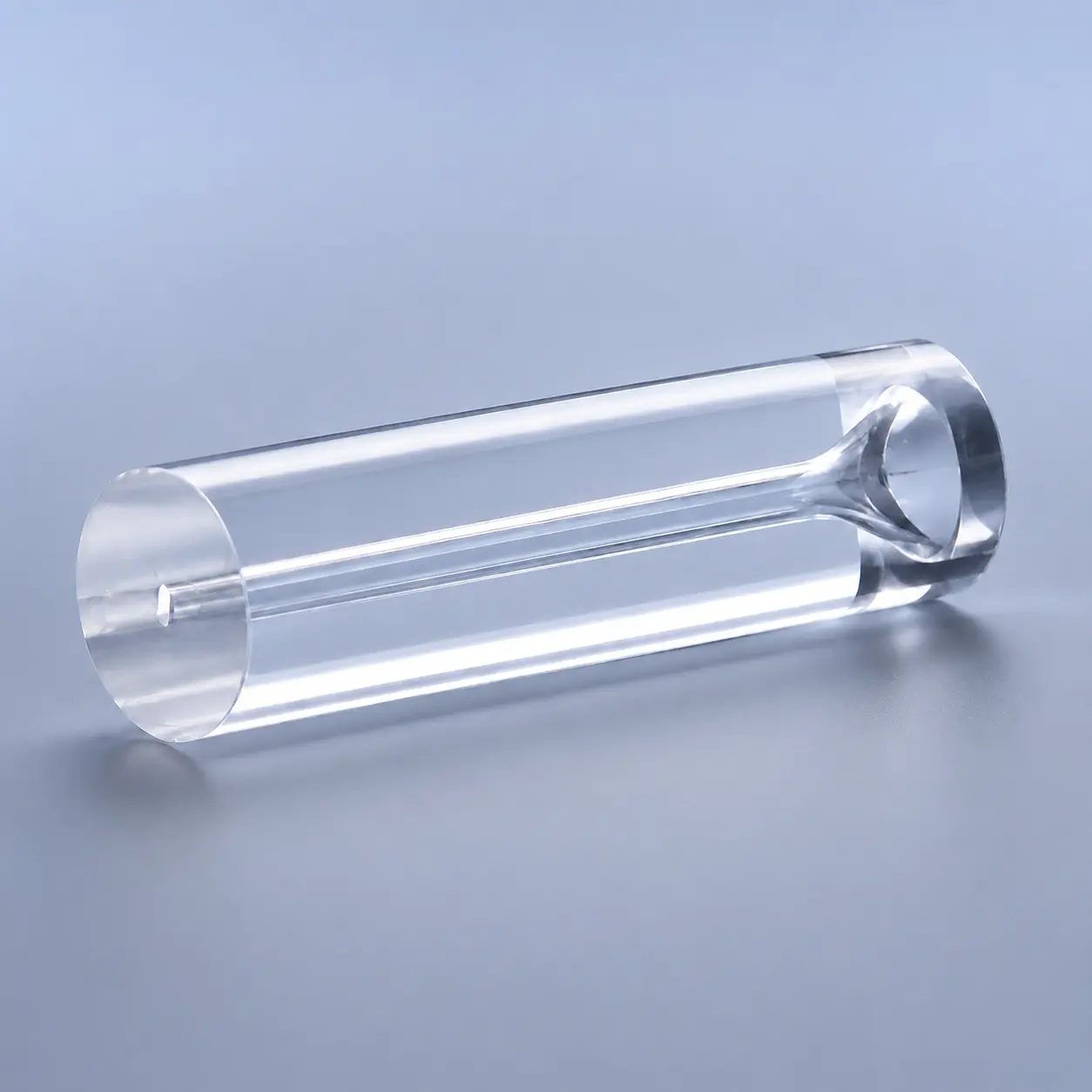
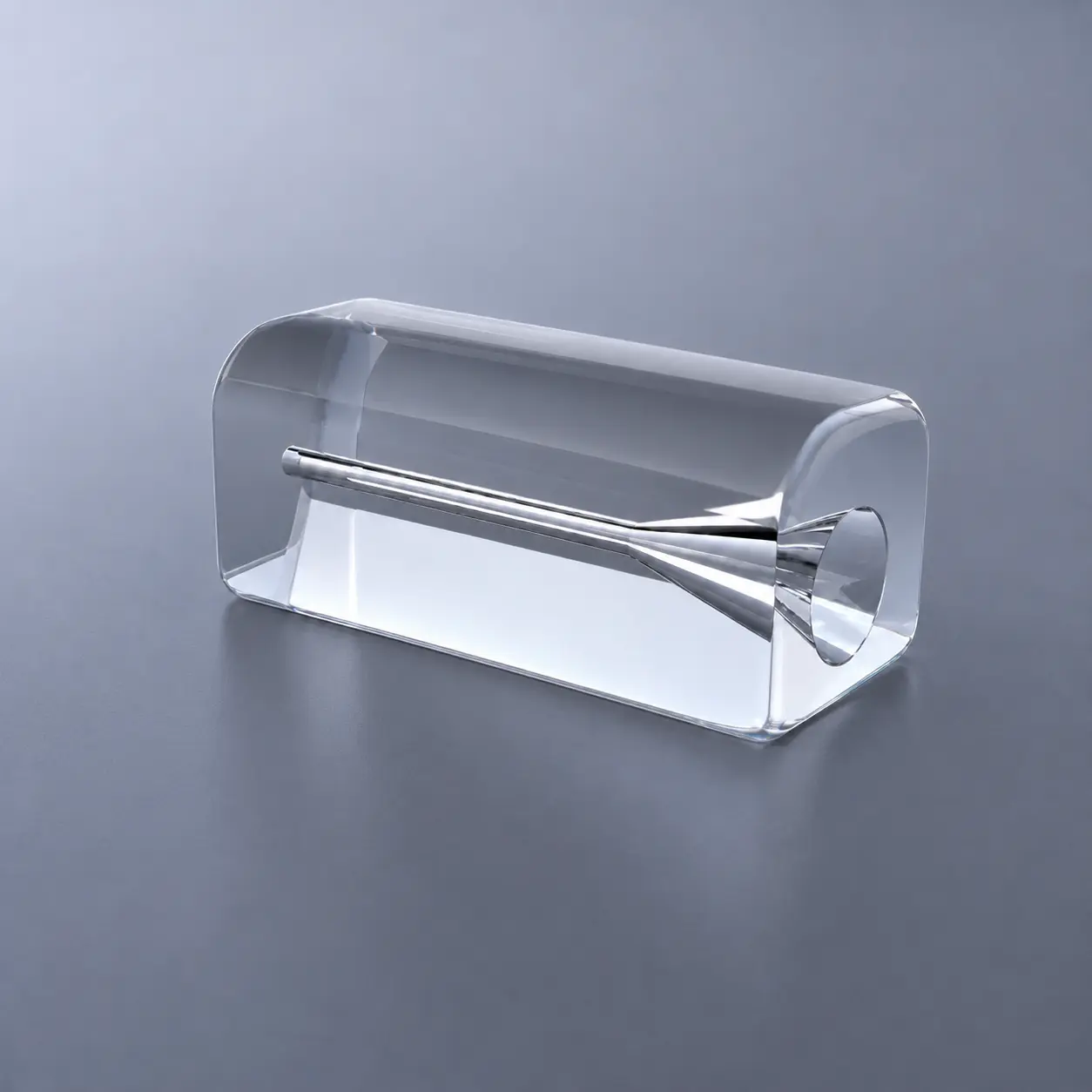
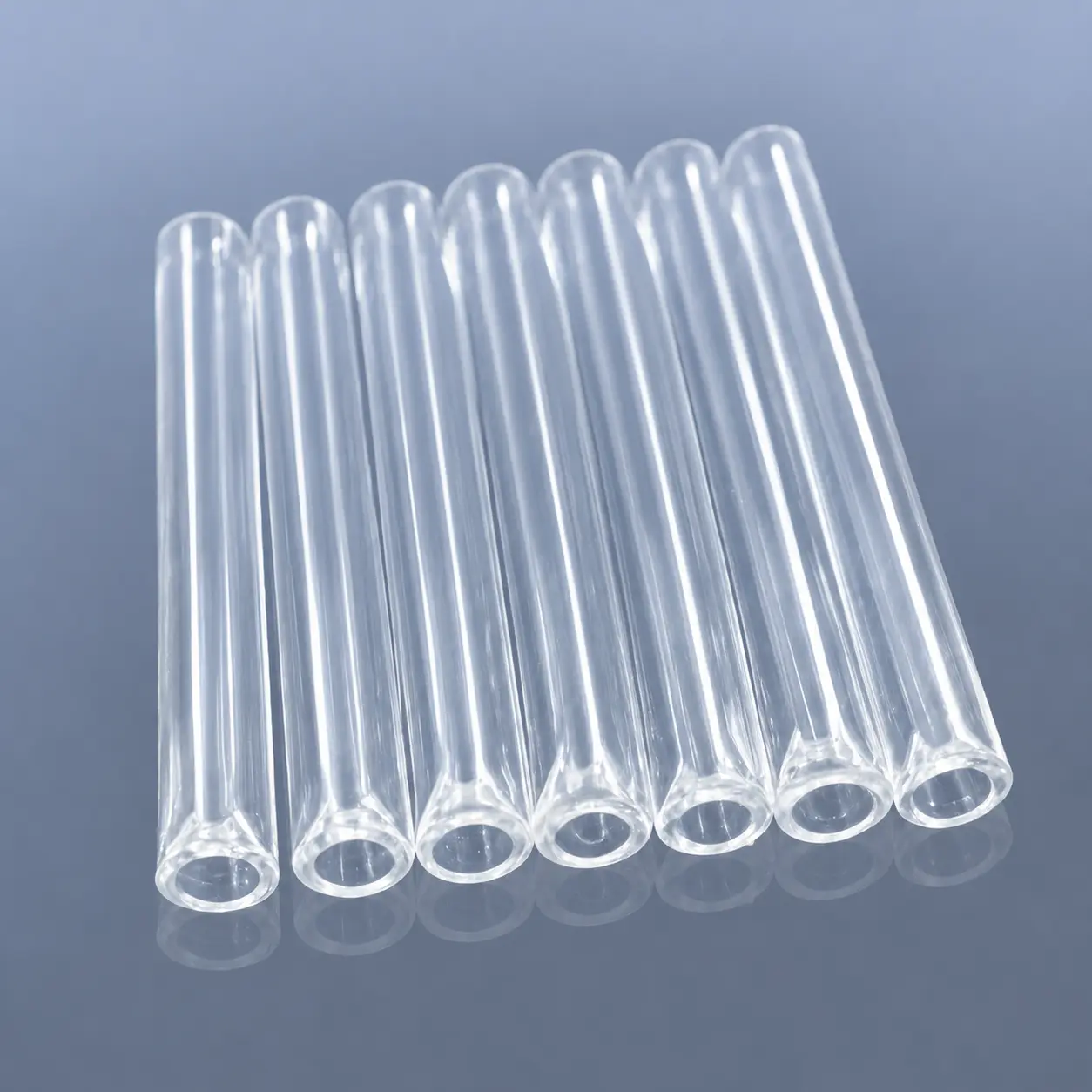
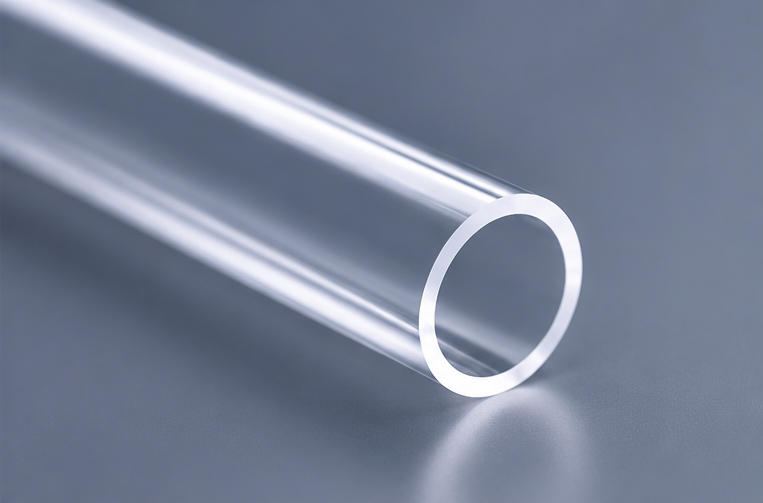
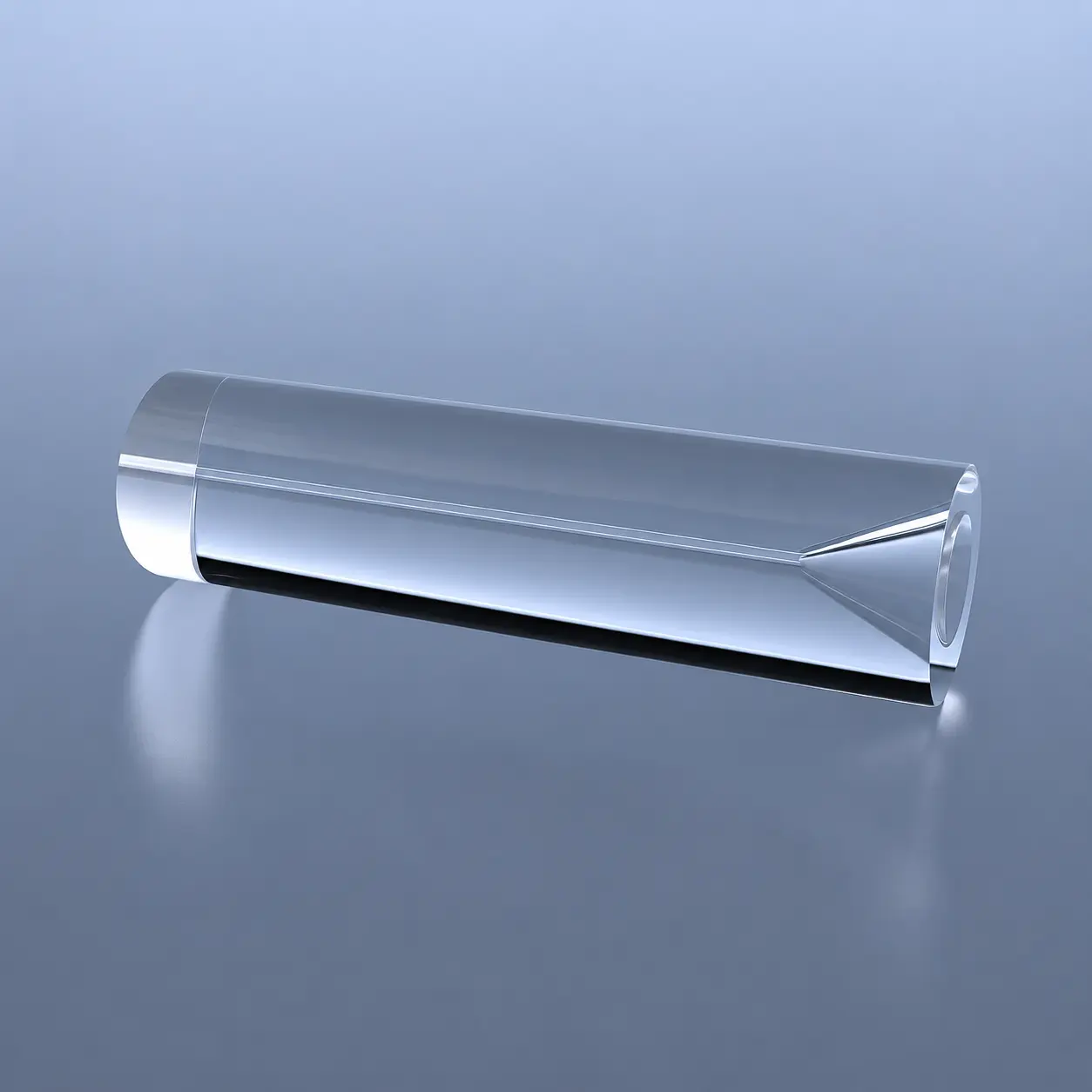
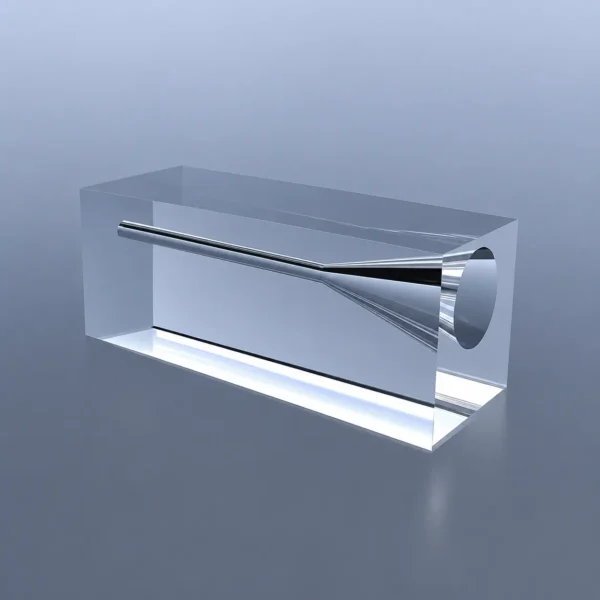
BYNET square and rectangular glass capillary tubes are designed for optical fiber positioning, bonding, and precision assembly. Featuring square or rectangular outer profiles with a single axial bore, these components provide flat external surfaces that can serve as positioning references in compatible mounting structures.
Available configurations include centered-bore and offset-bore designs, with different external dimensions and bore sizes to accommodate specific fiber and assembly requirements.

Product Overview
Unlike conventional round capillaries, square and rectangular capillaries offer flat external surfaces that can be used as mechanical alignment references. When combined with suitable fixtures or mounting features, these surfaces help control the orientation and positioning of the capillary during assembly.
Centered-bore capillaries are designed with the bore positioned at the geometric center of the outer profile.
Offset-bore capillaries feature a deliberately displaced bore position for applications requiring a specific fiber location relative to the external surfaces.
BYNET provides various reference dimensions for fiber optic and micro-optical assemblies. Custom requirements can be reviewed based on customer drawings.
Key Features
- Square and Rectangular Outer Profiles: Flat external surfaces provide mechanical reference faces for positioning and assembly.
- Centered and Offset Bore Options: Different bore locations support application-specific fiber positioning requirements.
- Defined Dimensional Specifications: Reference models include specified external dimensions, tolerances, and bore diameters.
- Multiple Size Configurations: Square and rectangular profiles are available in different dimensions.
- Drawing-Based Customization: Specific bore locations, dimensions, lengths, and end-face requirements can be reviewed according to customer drawings.
Technical Specifications
The following reference dimensions are taken from existing BYNET specifications. All dimensions are in millimeters (mm).
| External Profile | Outer Dimensions | Outer Tolerance | Bore Diameter | Bore Position |
|---|---|---|---|---|
| Square | 2.50 × 2.50 | ±0.05 | 0.127 +0.002/−0.001 | Offset |
| Square | 1.50 × 1.50 | ±0.05 | 0.127 +0.002/−0.001 | Offset |
| Square | 1.25 × 1.25 | ±0.05 | 0.127 +0.002/−0.001 | Centered |
| Square | 2.00 × 2.00 | ±0.10 | 0.127 +0.002/−0.001 | Centered |
| Square | 2.50 × 2.50 | ±0.10 | 0.127 +0.002/−0.001 | Centered |
| Rectangular | 2.00 × 1.00 | ±0.05 (both sides) | 0.127 +0.002/−0.001 | To be specified |
| Rectangular | 3.00 × 2.00 | ±0.05 (both sides) | 0.081 +0.003/−0 | To be specified |
Reference dimensions are subject to confirmation against approved technical drawings. Bore offset, component length, material grade, and other requirements should be defined before ordering.
Applications
Optical Fiber Positioning and Bonding
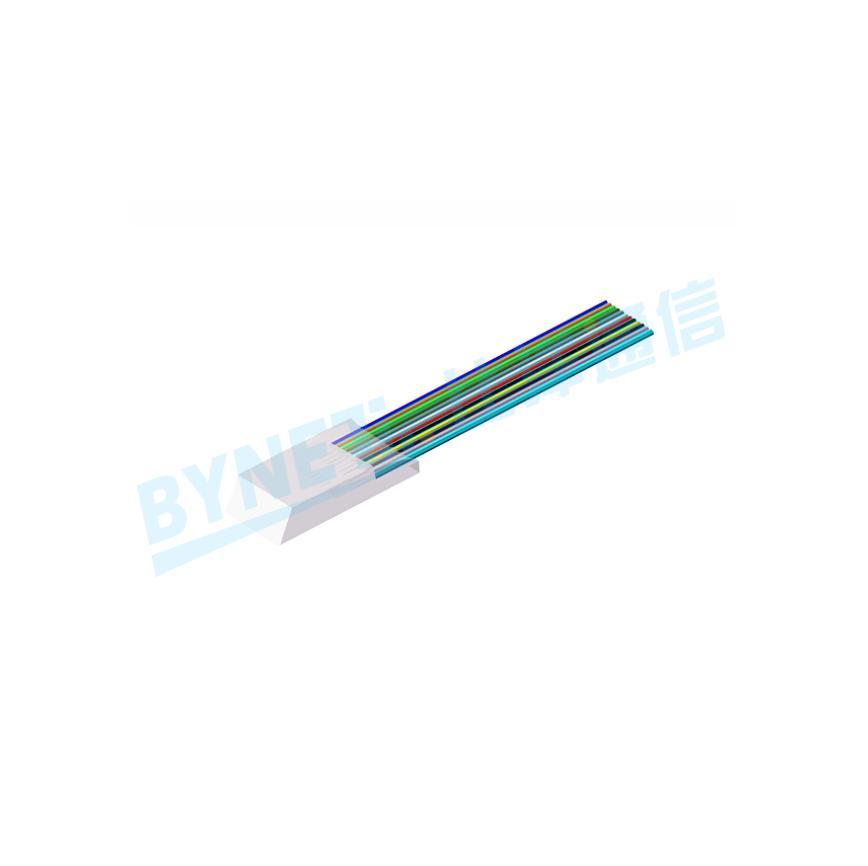
Square and rectangular glass capillaries can be used to hold and position optical fibers during bonding and assembly, where the external profile provides a suitable mounting reference.
Fiber Pigtail and Micro-Optical Assemblies
These capillaries can serve as fiber-positioning components in compatible pigtail assemblies and micro-optical packaging structures.
Fiber Collimator Assembly
Selected configurations may be incorporated into fiber collimator assemblies where defined fiber placement and mechanical positioning are required.
Fiber Sensor Packaging
The external geometry and bore location can be considered for fiber sensor assemblies requiring specific fiber positioning within a supporting structure.
Custom Optical Fixtures
Square and rectangular profiles can be used in application-specific alignment fixtures and precision optical assemblies.
Bore Position and Fiber Selection
Selecting the appropriate capillary requires consideration of both the external profile and the position of the internal bore.
Centered Bore
A centered-bore configuration is suitable when the fiber position needs to be referenced to the geometric center of the external profile.
Offset Bore
An offset-bore configuration can be used when the fiber must be positioned away from the geometric center. The required offset distance, direction, and tolerances should be defined in the technical drawing.
Bore Diameter Selection
Bore size should be selected according to the actual fiber cladding or coating diameter, dimensional tolerances, and required assembly clearance.
For example, a nominal 127 μm bore must be evaluated against the actual dimensions of the intended fiber rather than assumed to fit every 125 μm fiber.
Customization Options
For special applications, BYNET can review custom capillary requirements based on customer drawings.
Information to provide includes:
- Square or rectangular external profile
- Outer dimensions and dimensional tolerances
- Bore diameter and bore position
- Required bore offset and positional tolerances
- Capillary length and end-face specifications
- Glass material requirements
- Intended fiber dimensions and application
- Technical drawings and estimated order quantity
Manufacturing feasibility and final specifications are subject to engineering confirmation.
Frequently Asked Questions
Q1: What is the difference between square and rectangular glass capillary tubes?
Square capillaries have equal outer side dimensions, while rectangular capillaries have different outer width and height dimensions. Both can provide external reference surfaces for positioning during assembly.
Q2: What is the difference between centered-bore and offset-bore capillaries?
A centered-bore capillary has its bore positioned at the geometric center of the external profile. An offset-bore capillary has a deliberately displaced bore location to meet specific alignment requirements.
Q3: Are these capillaries suitable for 125 μm optical fibers?
Some bore configurations may be suitable for uncoated optical fibers with a nominal 125 μm cladding diameter. Final compatibility depends on the fiber’s actual dimensions, bore tolerances, and required assembly clearance.
Q4: Can BYNET provide custom dimensions and bore positions?
BYNET can review custom requirements based on customer drawings, including external dimensions, bore sizes, bore locations, lengths, and dimensional tolerances.
Request a Quote
Looking for square or rectangular glass capillaries for your fiber optic assembly?
Share your required outer dimensions, bore diameter, bore position, length, tolerances, and estimated quantity. You can also submit a technical drawing for specification review.
Request a Quote | Send Your Drawing