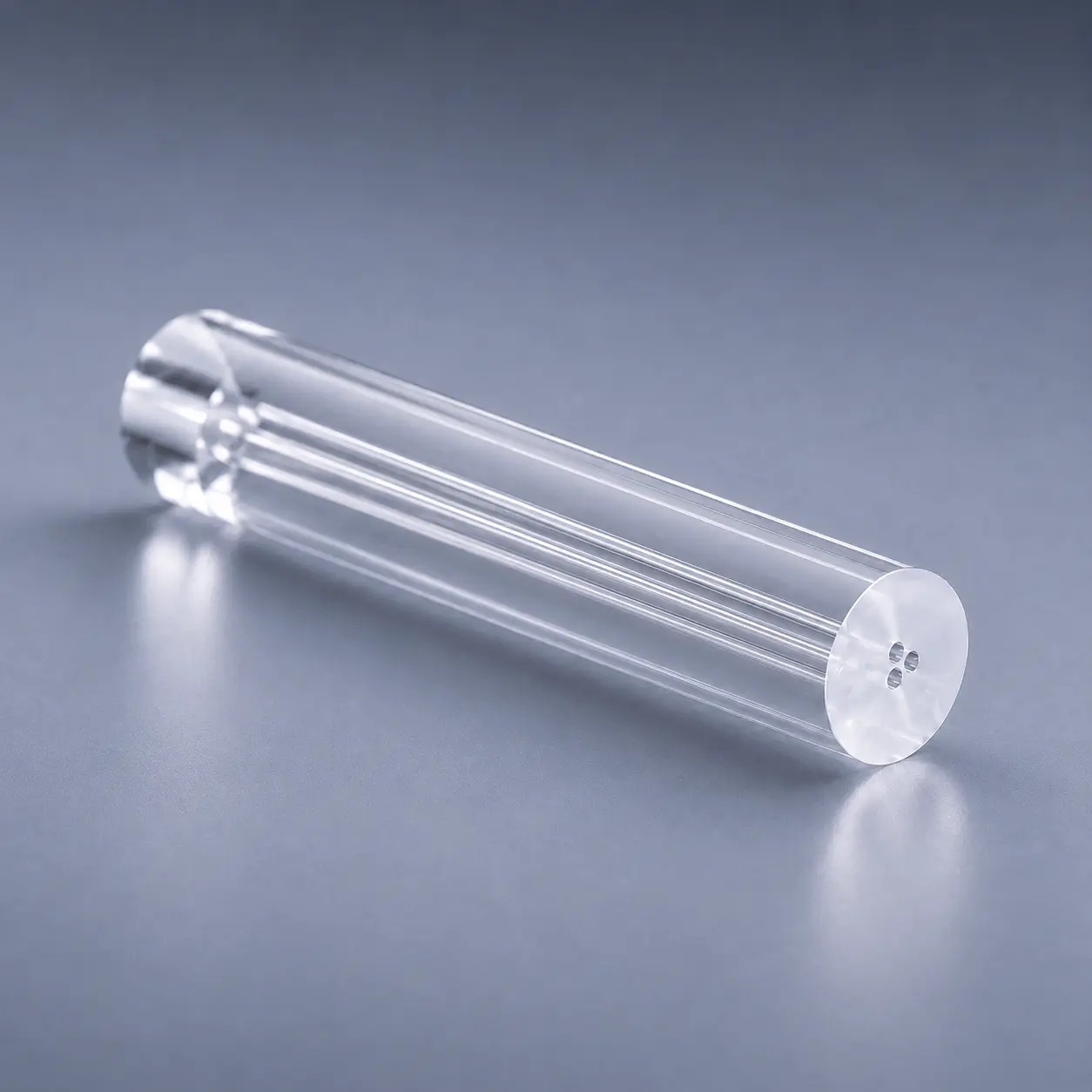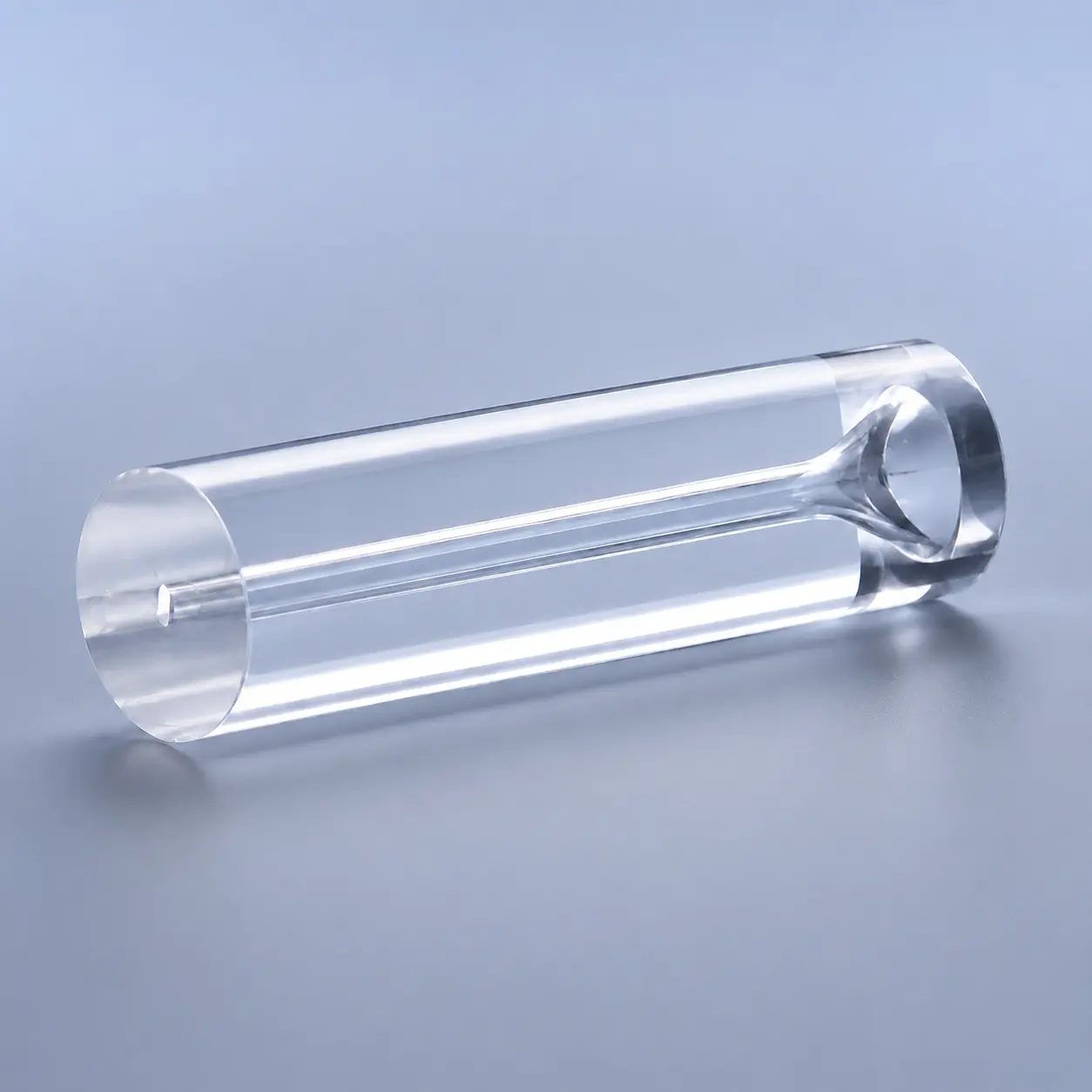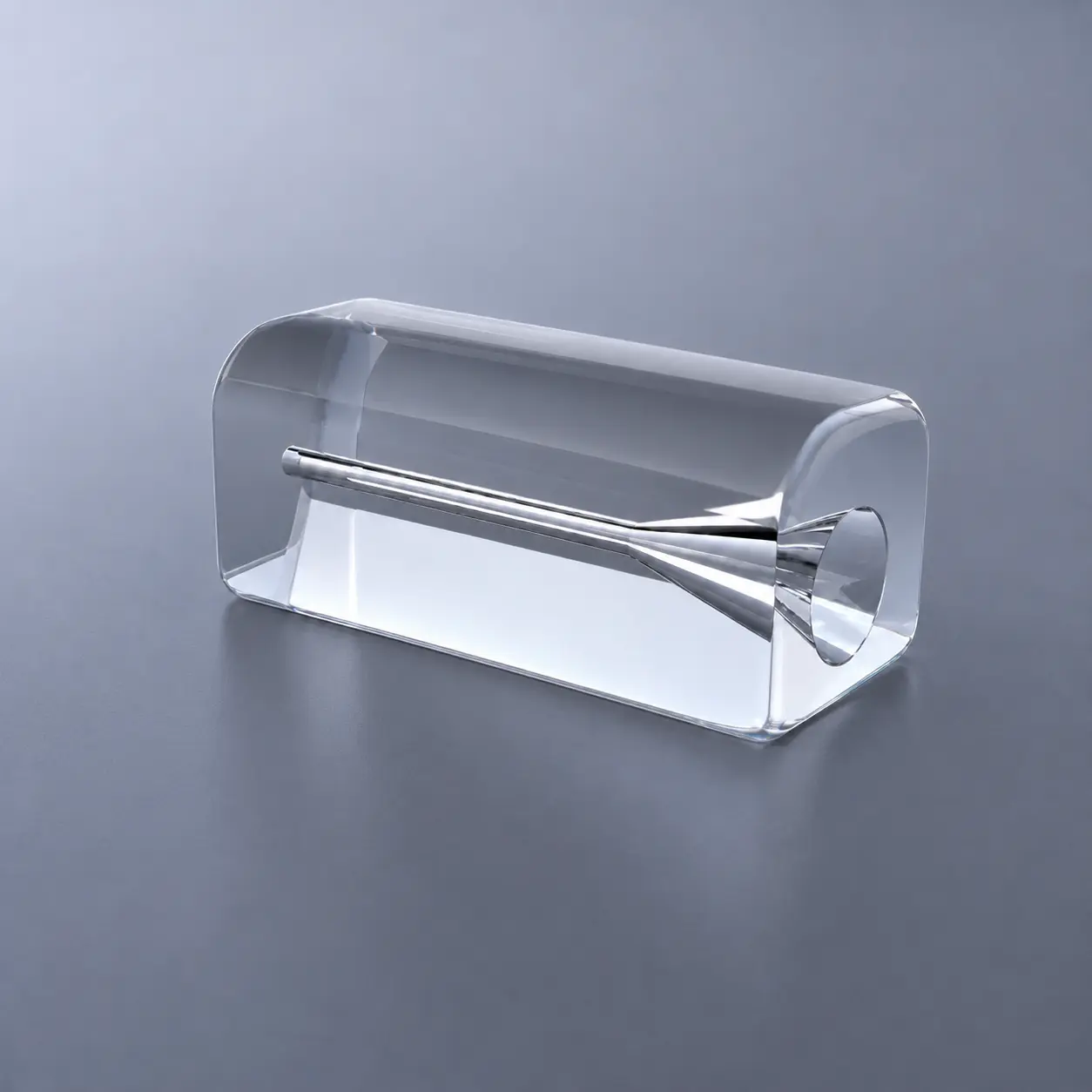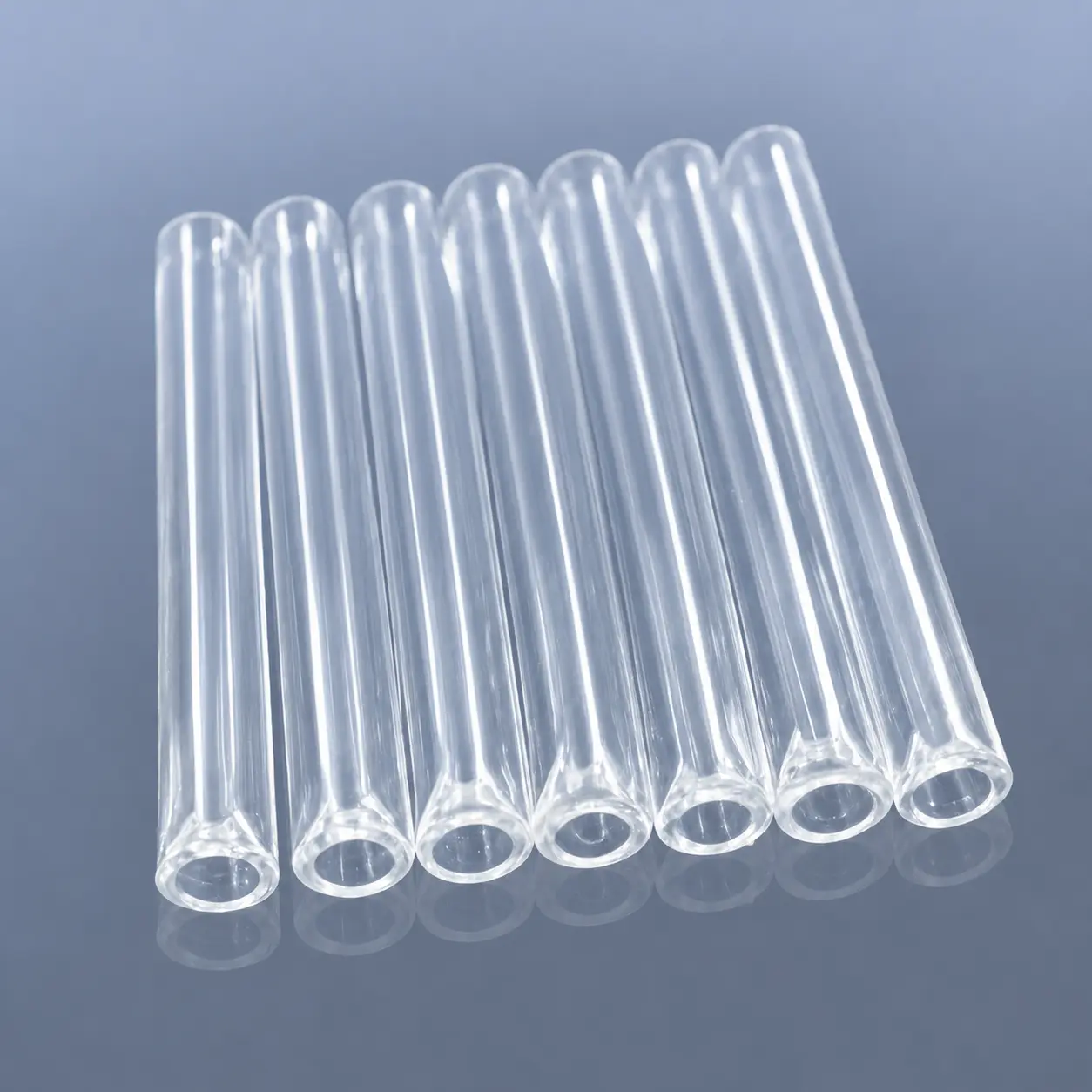



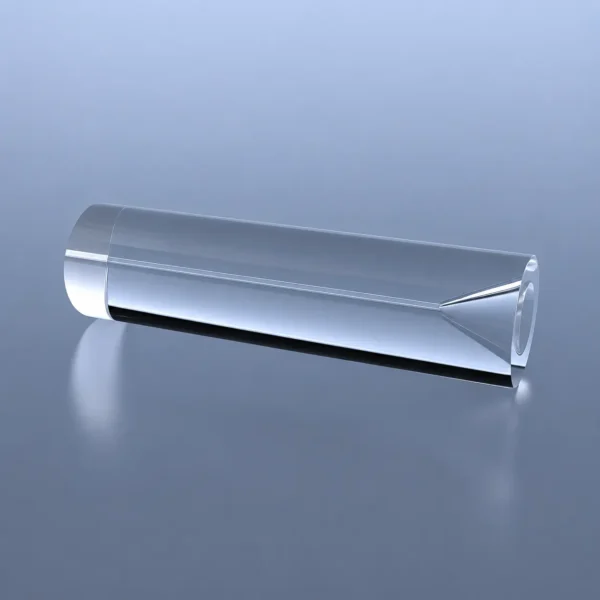
Single-Bore Glass Capillary Tubes for Fiber Alignment
Precision Glass Capillaries for Fiber Positioning and Micro-Optical Assembly
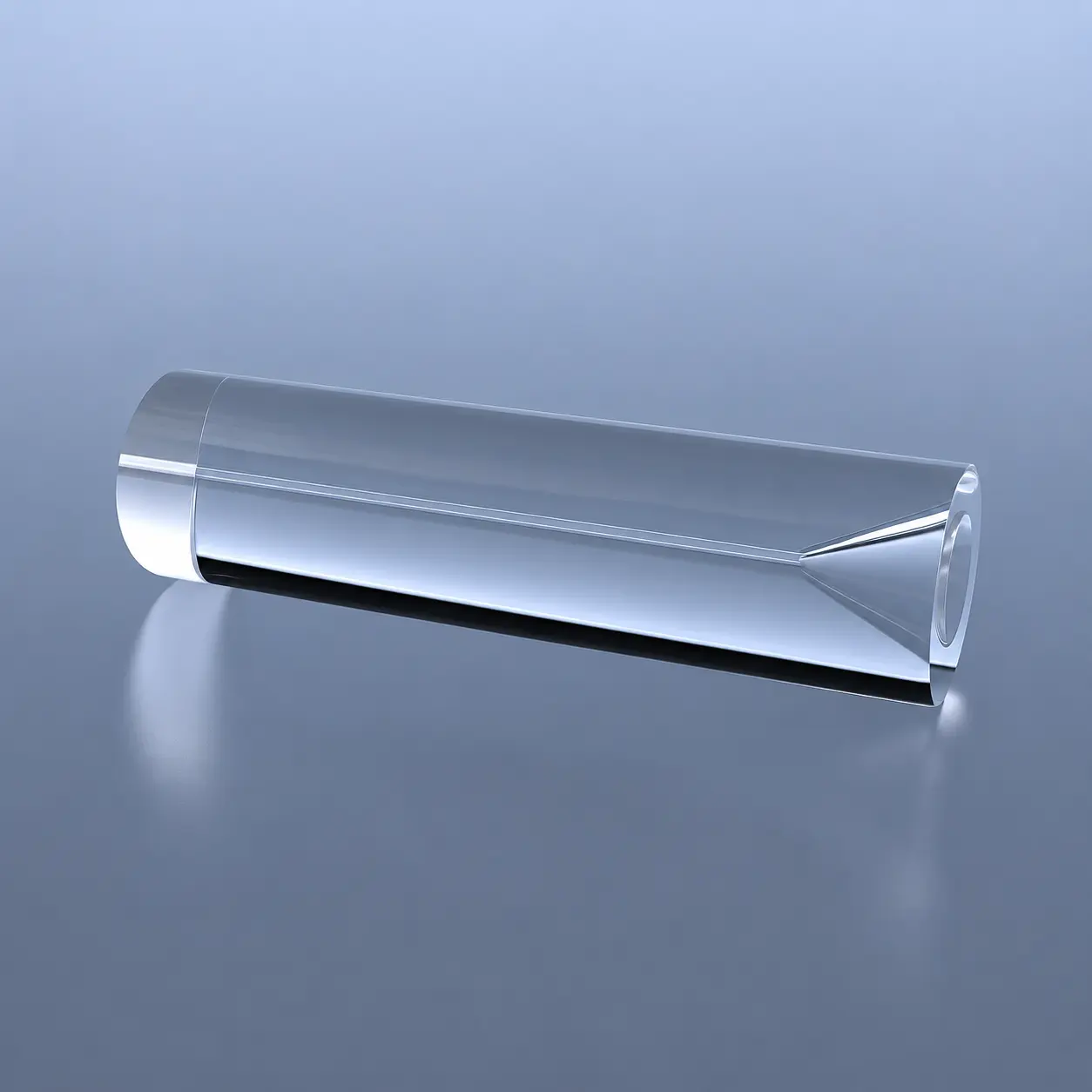
BYNET single-bore glass capillary tubes are designed for positioning and supporting optical fibers in fiber pigtails, collimator assemblies, and other micro-optical components. Featuring a circular outer profile and a single axial bore, these capillaries are available in various outer diameter (OD) and inner diameter (ID) configurations to accommodate different fiber dimensions and assembly requirements.

Product Overview
Single-bore glass capillaries provide mechanical support and a dimensional reference for optical fibers during precision assembly. They can be used for fiber positioning, adhesive bonding, and integration into optical subassemblies.
Selecting the appropriate capillary requires consideration of the fiber’s actual cladding or coating diameter, bore dimensions, dimensional tolerances, and assembly method.
BYNET offers a range of reference dimensions and can review custom specifications based on customer drawings and application requirements.
Key Features
- Single-Bore Design: A single axial bore provides a defined pathway for fiber insertion and positioning.
- Controlled Dimensions: Reference configurations feature specified outer diameter tolerances and multiple bore sizes.
- Multiple Size Options: Different OD/ID combinations are available for various fiber and assembly requirements.
- Assembly Integration: Suitable for use as a fiber-positioning and supporting component in precision optical assemblies.
- Drawing-Based Customization: Requests for specific diameters, lengths, concentricity, and end-face requirements can be reviewed according to customer drawings.
Technical Specifications
The following dimensions are based on existing BYNET product specifications.
| Outer Diameter (OD) | OD Tolerance | Inner Diameter (ID) |
|---|---|---|
| 0.50 mm | ±0.005 mm | 0.125–0.128 mm |
| 0.90 mm | ±0.005 mm | 0.126–0.129 mm |
| 0.99 mm | ±0.005 mm | 0.280–0.285 mm |
| 1.00 mm | ±0.005 mm | 0.126–0.129 mm |
| 1.00 mm | ±0.005 mm | 0.252–0.258 mm |
| 1.00 mm | ±0.005 mm | 0.255–0.258 mm |
| 1.00 mm | ±0.005 mm | 0.403–0.407 mm |
| 1.00 mm | ±0.005 mm | 0.081–0.084 mm |
| 1.00 mm | ±0.005 mm | 0.166–0.170 mm |
| 1.80 mm | ±0.005 mm | 0.126–0.129 mm |
| 1.80 mm | ±0.005 mm | 0.081–0.084 mm |
| 1.80 mm | ±0.005 mm | 0.130–0.133 mm |
Dimensions are for reference. Final specifications, applicable materials, cut lengths, and inspection requirements should be confirmed against the approved drawing before ordering.
Applications
Fiber Pigtail Assemblies
Used to position and support optical fibers during pigtail and related optical component assembly.
Fiber Collimator Assemblies
Can serve as a fiber-positioning element within compatible fiber collimator and micro-optical assemblies.
Optical Fiber Bonding and Packaging
Provides a defined bore for holding optical fibers during bonding, positioning, and packaging operations.
Fiber Sensors and Custom Optical Assemblies
Suitable for evaluation in fiber sensor packaging, laboratory fixtures, and application-specific micro-optical structures.
Fiber Fit and Bore Selection
The appropriate inner diameter depends on the actual dimensions of the fiber and the intended assembly process.
For example, optical fibers with a nominal 125 μm cladding diameter may require a bore slightly larger than the nominal fiber diameter, depending on the fiber’s dimensional tolerance and the required insertion clearance.
When selecting a capillary, consider:
- Fiber cladding or coating diameter and its tolerance
- Minimum and maximum bore diameter
- Required insertion and adhesive clearance
- Concentricity and alignment requirements
- Capillary length and end-face requirements
Fiber compatibility should be confirmed by actual dimensions rather than fiber type alone.
Customization and Engineering Support
For applications requiring dimensions beyond the listed configurations, BYNET can review custom capillary requests according to technical drawings.
Please provide the following information for specification review:
- Required outer diameter (OD) and inner diameter (ID)
- Dimensional tolerances and concentricity requirements
- Required length and end-face specifications
- Preferred glass material or material grade
- Fiber dimensions and intended application
- Technical drawing and estimated order quantity
Feasibility and final specifications are subject to engineering confirmation.
Frequently Asked Questions
Q1: What are single-bore glass capillary tubes used for?
Single-bore glass capillary tubes are used to position, support, and hold optical fibers in pigtail assemblies, fiber collimators, and other micro-optical components.
Q2: Can these capillaries be used with single-mode and multimode optical fibers?
They can be considered for both types when the fiber dimensions and assembly requirements are compatible with the selected bore. Compatibility depends on actual fiber geometry rather than transmission mode alone.
Q3: Which bore size is suitable for a 125 μm optical fiber?
The bore should be selected using the actual fiber cladding diameter, its tolerance, and the required assembly clearance. A nominal 125 μm cladding diameter alone is not sufficient to determine the correct bore size.
Q4: Are custom capillary dimensions available?
BYNET can review custom OD, ID, length, and tolerance requirements based on customer drawings. Manufacturing feasibility must be confirmed for each specification.
Request a Quote
Looking for glass capillary tubes for your fiber optic assembly?
Send BYNET your required OD, ID, length, fiber dimensions, technical drawing, and estimated quantity. Our team can review the specifications and discuss suitable options for your application.
Request a Quote | Submit Your Drawing