Wireless Payment
Wireless Payment
Wireless Payment and Antenna Applications
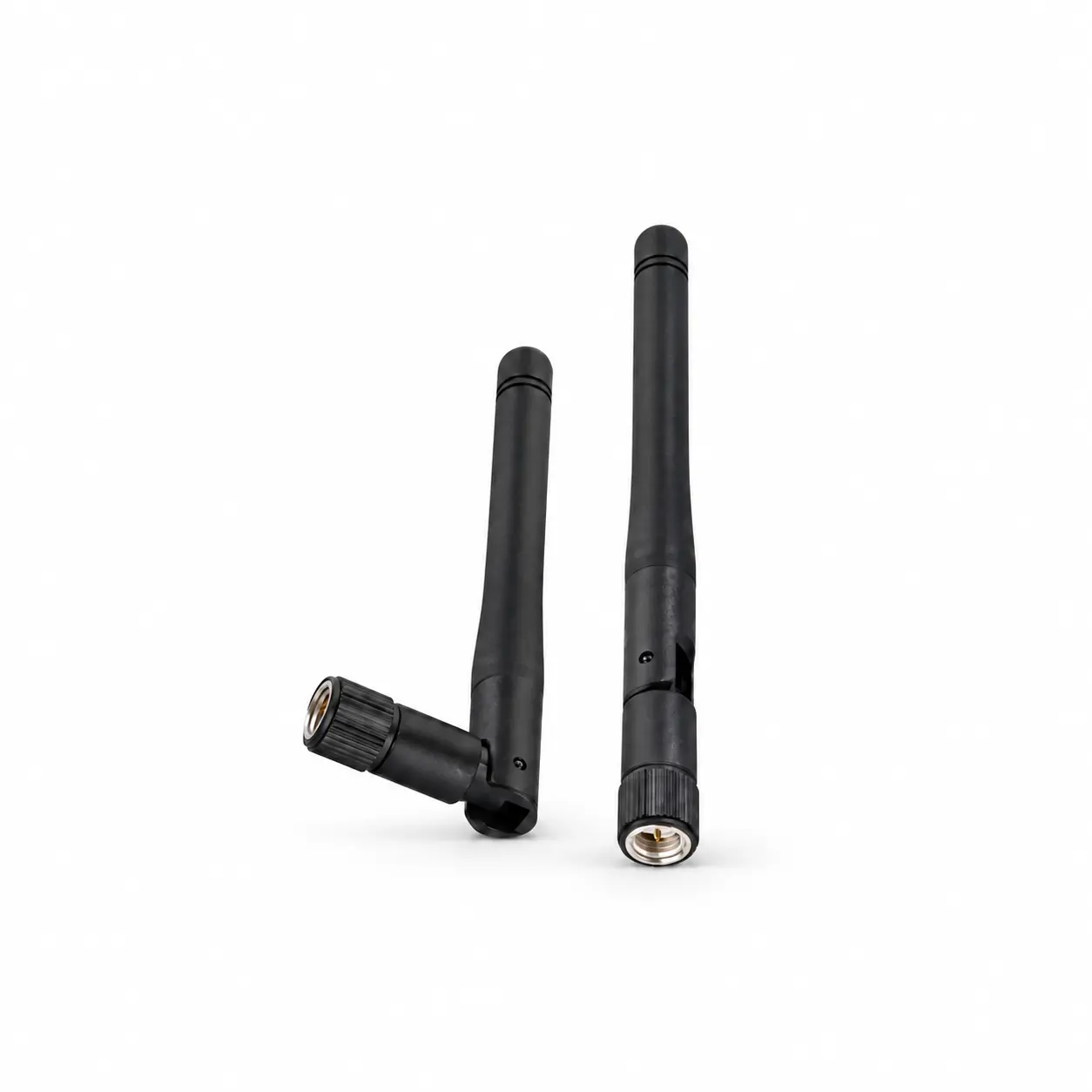
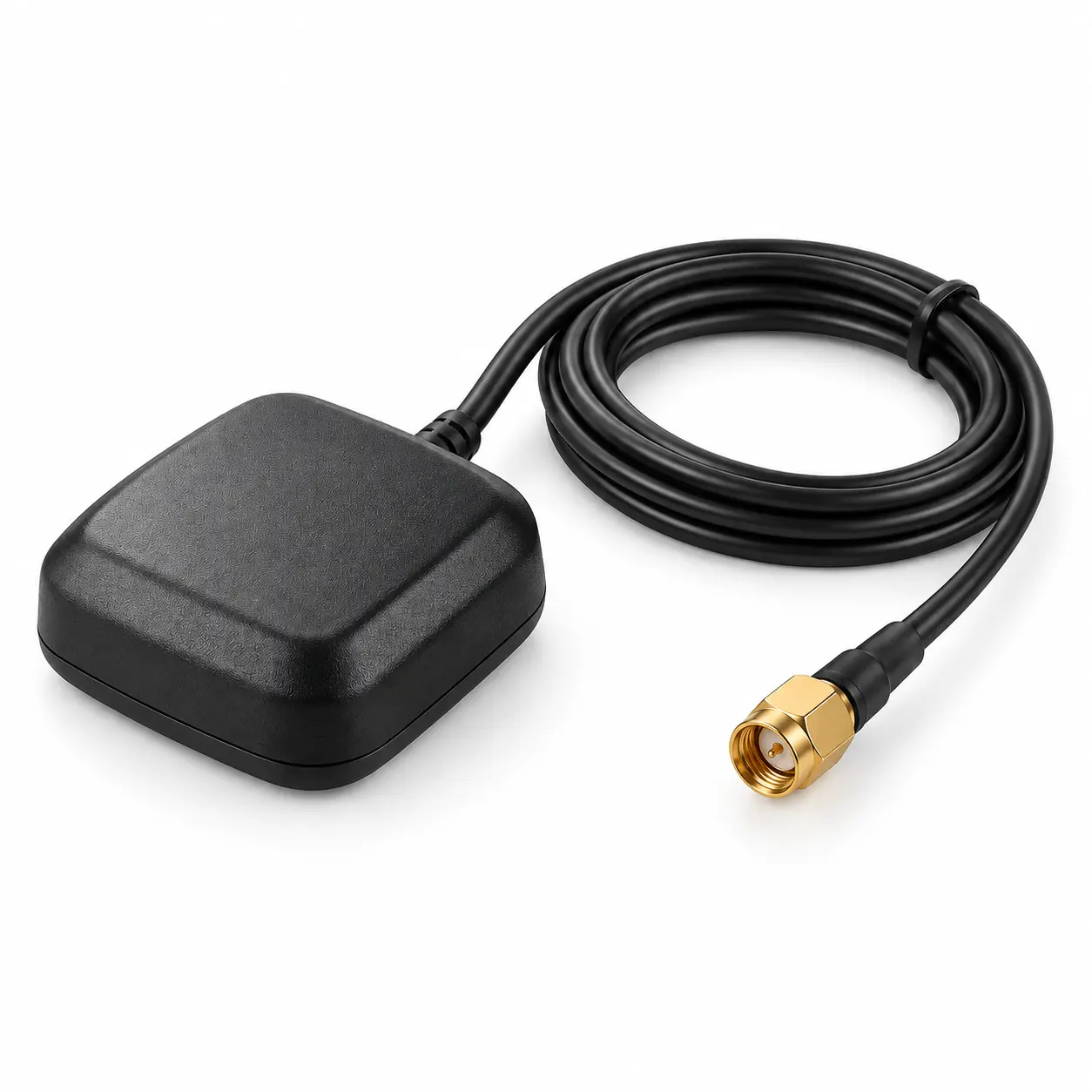
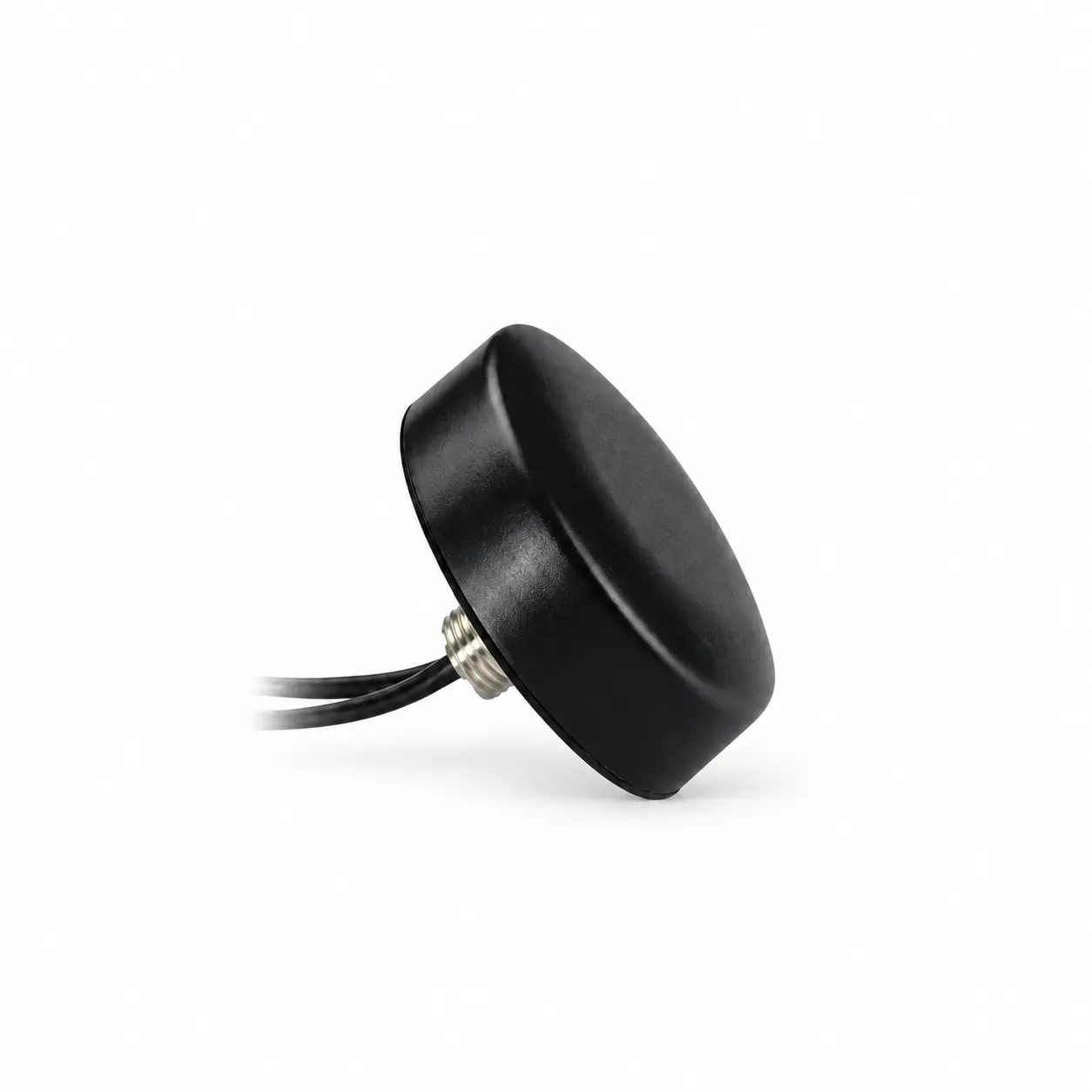
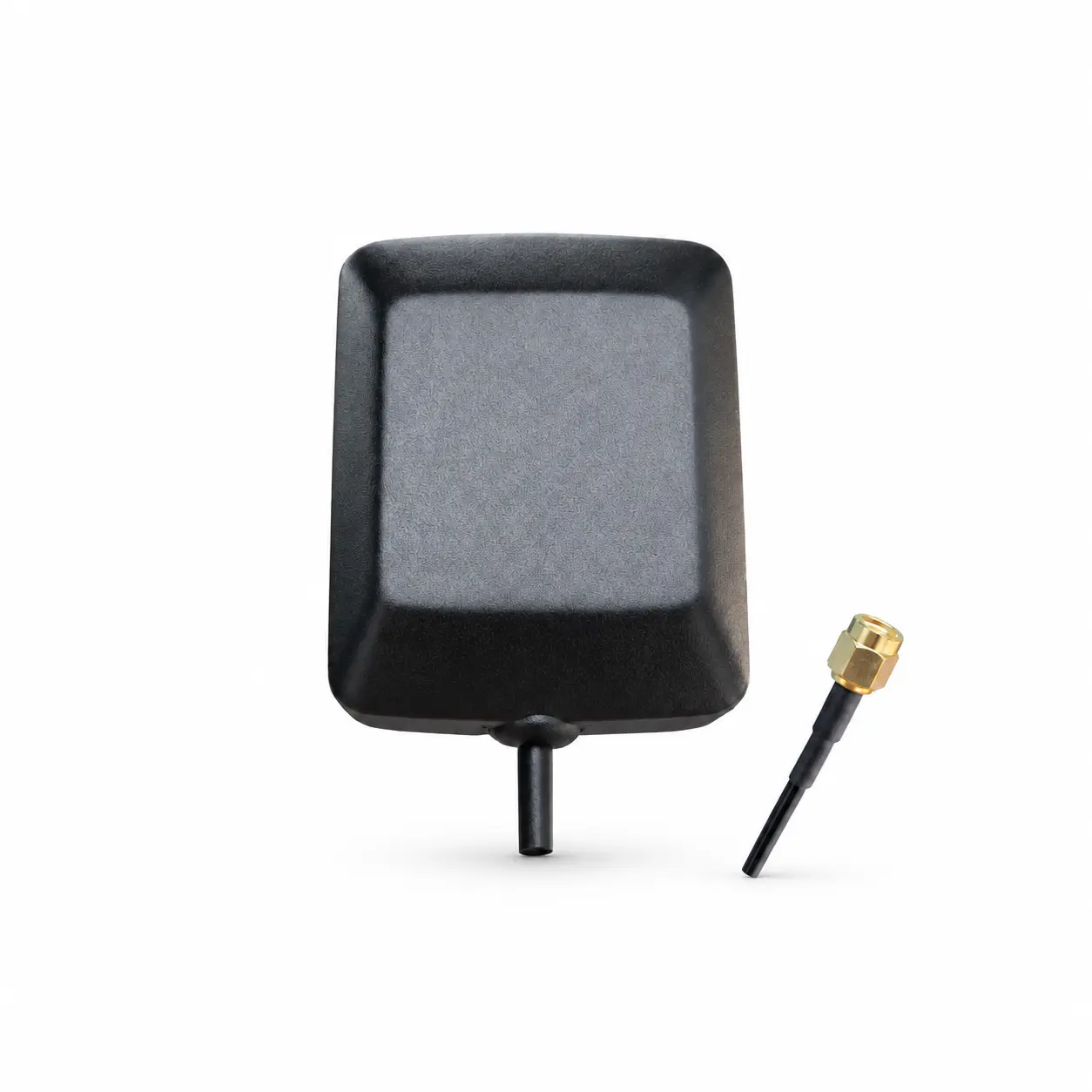
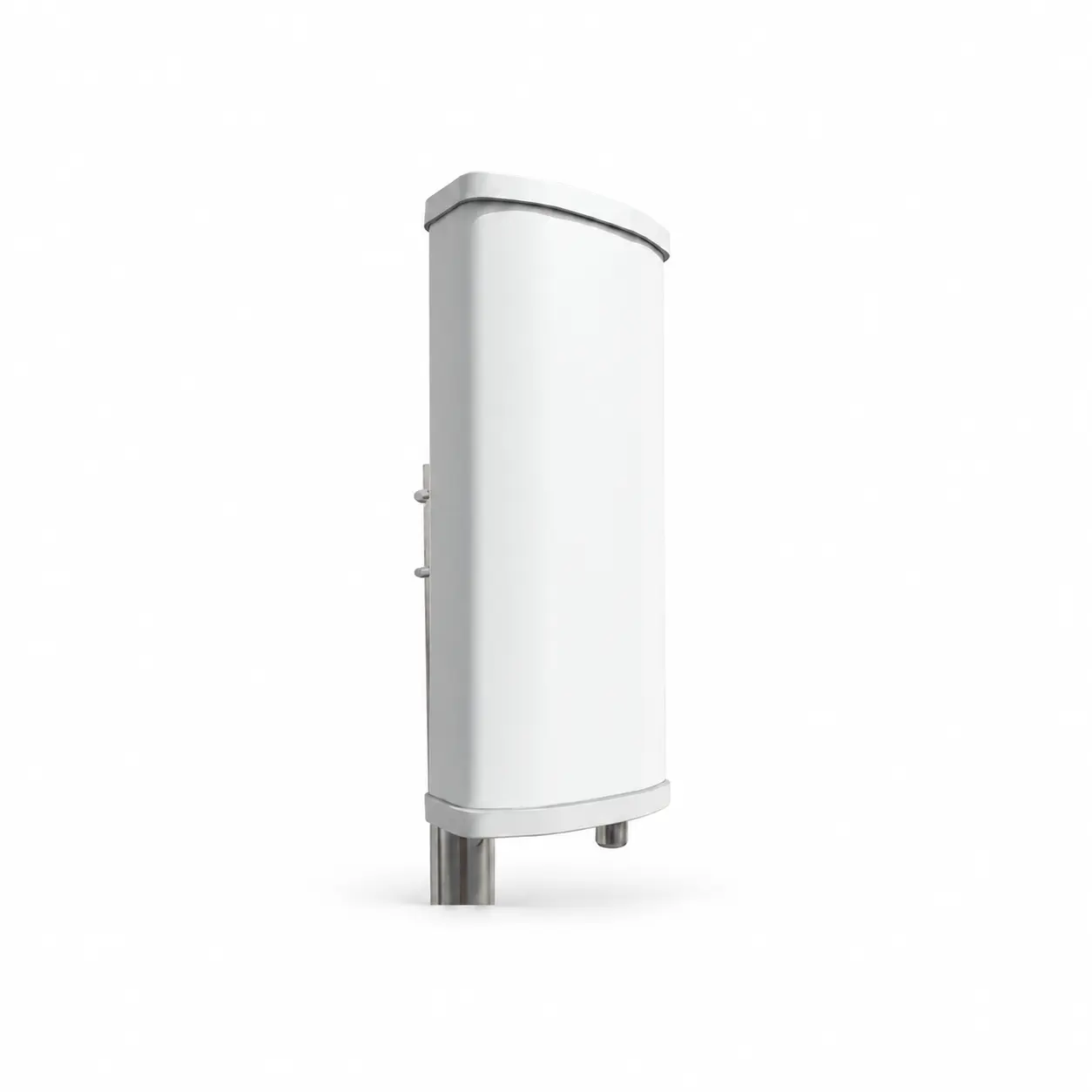
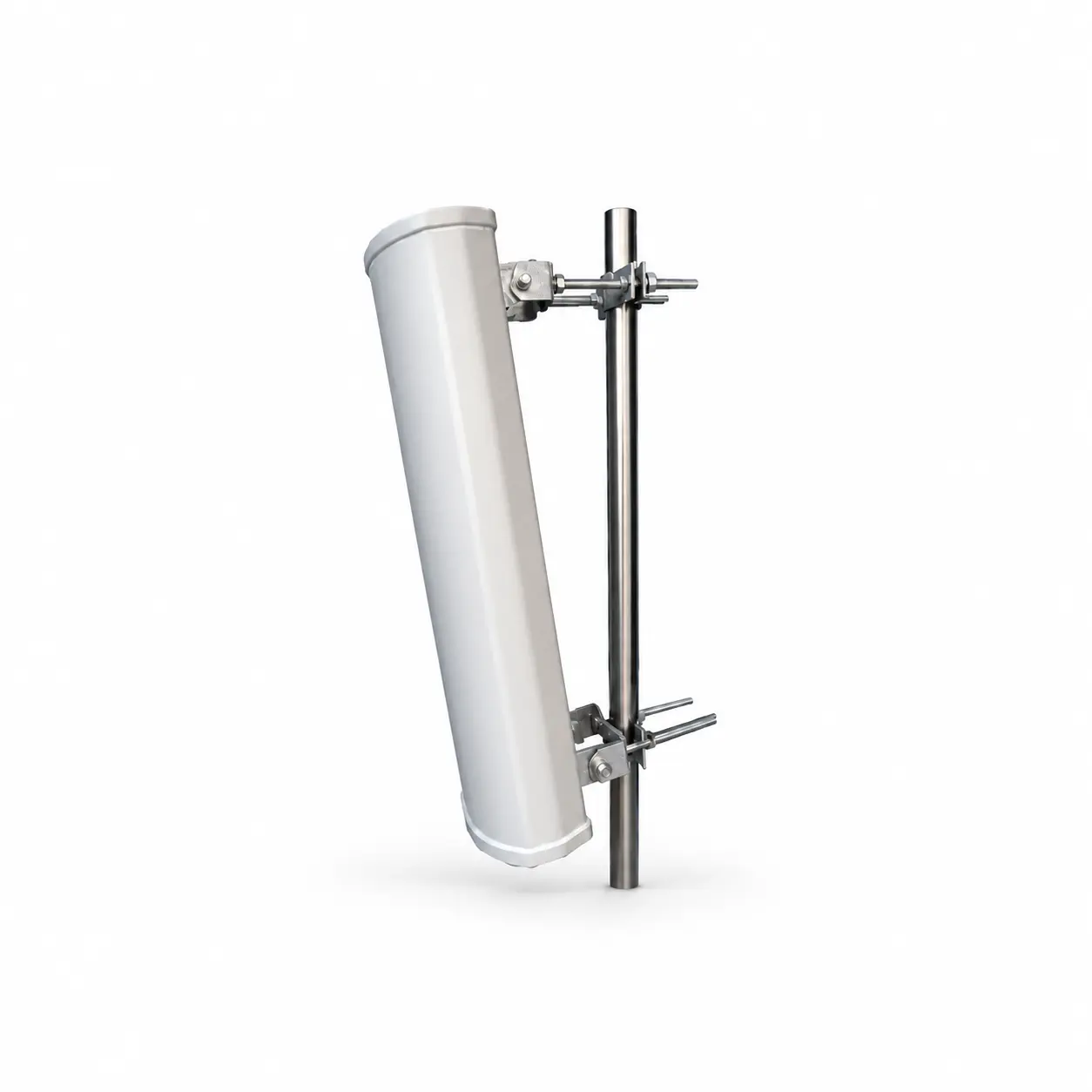
Wireless payment is a core method for contactless transactions enabled by radio frequency (RF) technology, primarily including NFC (13.56 MHz), QR codes, Bluetooth (BLE), and Wi-Fi solutions. NFC utilizes dual-layer coil antennas to achieve millisecond-level data transmission, supporting near-field mobile payments. QR codes rely on optical recognition technology secured through dynamic encryption, while Bluetooth leverages low-power connectivity to expand payment scenarios. As the physical layer cornerstone, antennas directly determine communication range and stability. For instance, NFC employs multi-layer Litz wire coils to enhance efficiency, whereas UHF RFID antennas utilize beamforming technology to enable long-range inventory management.
Typical Applications and Technological Innovations
Wireless payment has been deeply integrated into scenarios across transportation and retail sectors:
subway gates utilize distributed NFC antennas for seamless access, while unmanned stores employ UHF antennas for real-time inventory tracking. Medical devices incorporate anti-interference flexible antennas to ensure reliable communication in operating rooms, and connected vehicles use on-board units (OBUs) with 5.9 GHz Dedicated Short-Range Communication (DSRC) technology to enable contactless refueling. Technologically, graphene antennas achieve 97% of silver’s conductivity, MIMO multi-antenna arrays enhance signal coverage, and biocompatible designs help popularize wearable payment devices.
Future Trends and Development Directions
Technological evolution focuses on security and efficiency:
Quantum Key Distribution (QKD) strengthens encryption systems, and 6G networks will support terahertz frequency bands for sub-millimeter-level positioning. Multi-modal integration becomes mainstream, with single-chip integration of NFC, Bluetooth, and UWB protocols, while intelligent antenna systems automatically adapt to environmental demands. Material innovations such as printable electronics reduce antenna costs, and dynamic power modulation technology further extends device battery life. As the Internet of Things (IoT) deepens, wireless payments will continue to advance toward smarter and more seamless experiences.