Healthcare

Healthcare

Medical Health Devices and Antenna Applications Overview

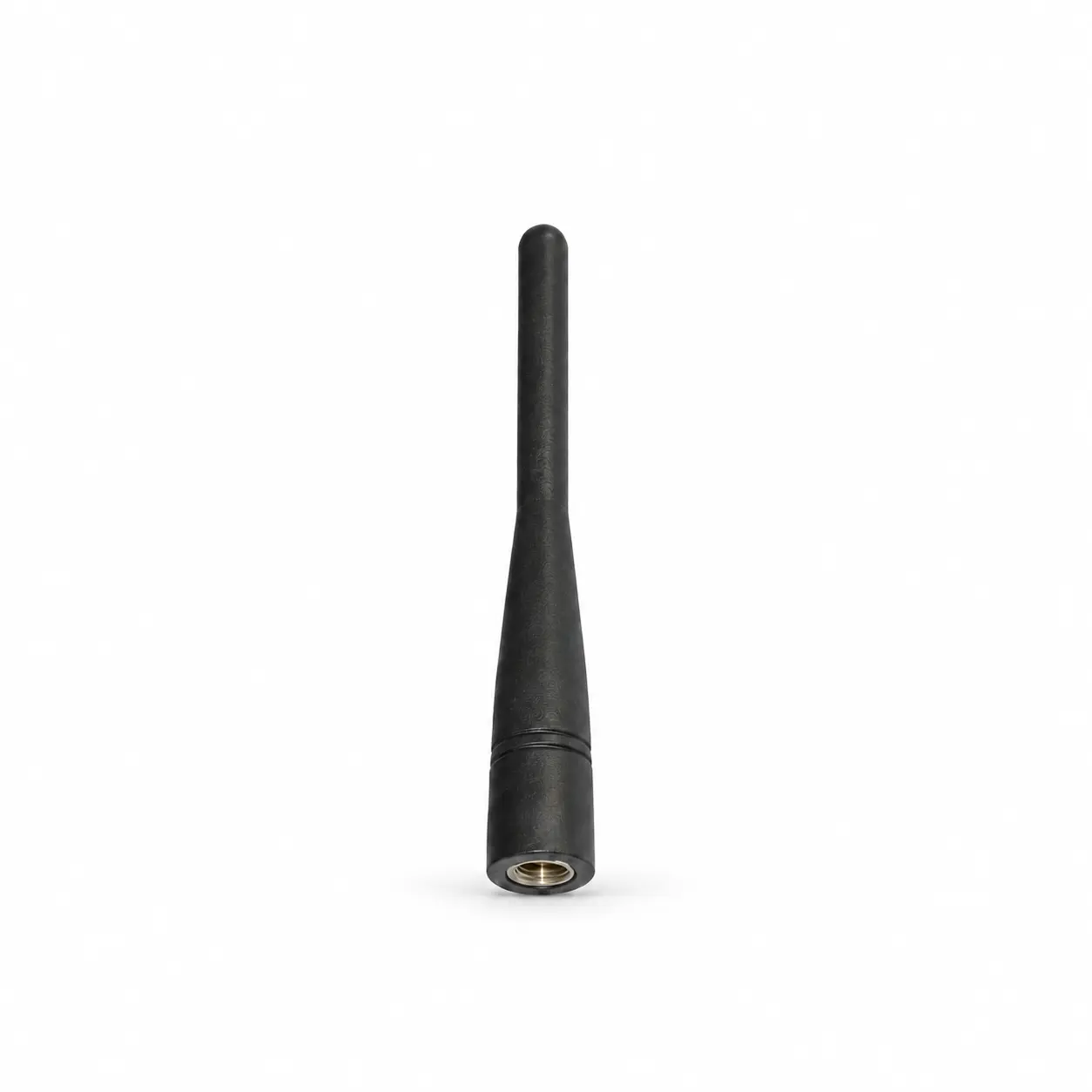
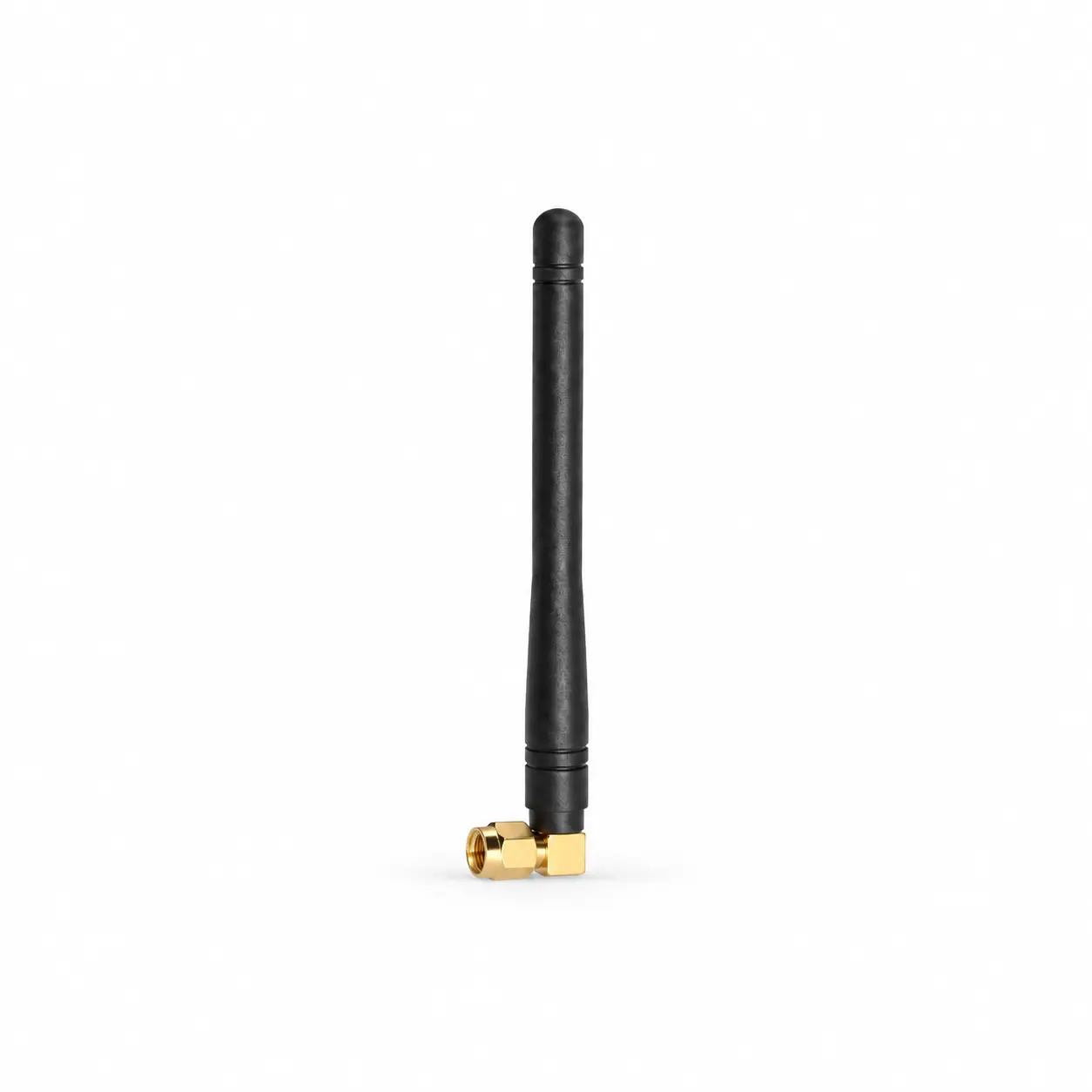
Medical health devices leverage wireless communication technologies to enable remote monitoring, diagnostics, and treatment, covering wearable devices (heart rate/blood oxygen monitoring), implantable devices (pacemakers, neurostimulators), and portable medical instruments (wireless ECG machines, glucose meters). Antennas serve as the core data transmission component, requiring biocompatibility, low power consumption, and high reliability. For example, implantable devices utilize medical-grade ceramic antennas to penetrate human tissues, while wearable devices integrate flexible PCB antennas for continuous 24/7 health monitoring.
Healthcare1

Antenna Application Scenarios and Technological Innovations

• Implantable Devices:Medical-grade polyimide substrate antennas (size ≤2 mm³) support Bluetooth 5.0 and medical frequency bands (402–405 MHz), ensuring secure data transmission for pacemakers with bit error rates <10⁻⁶.

• Wearable Devices: Ultra-thin graphene antennas (thickness 0.1 mm) compatible with multi-protocols (BLE/Zigbee) dynamically track body temperature/blood pressure data and synchronize to the cloud.  

• Emergency Devices: In-vehicle first-aid kits integrate UWB antennas (positioning accuracy ±10 cm) for real-time transmission of critical patient vitals and optimized emergency response routing.

Healthcare2

Connected health can maximize the utilization of medical resources and provide better health services and patient care both inside and outside hospitals or medical clinics. Connected health technology creates the ability to provide telemedicine services, aiming to provide patients with accurate and actionable information in a timely manner.

Healthcare3
Scroll to Top

Contact Us