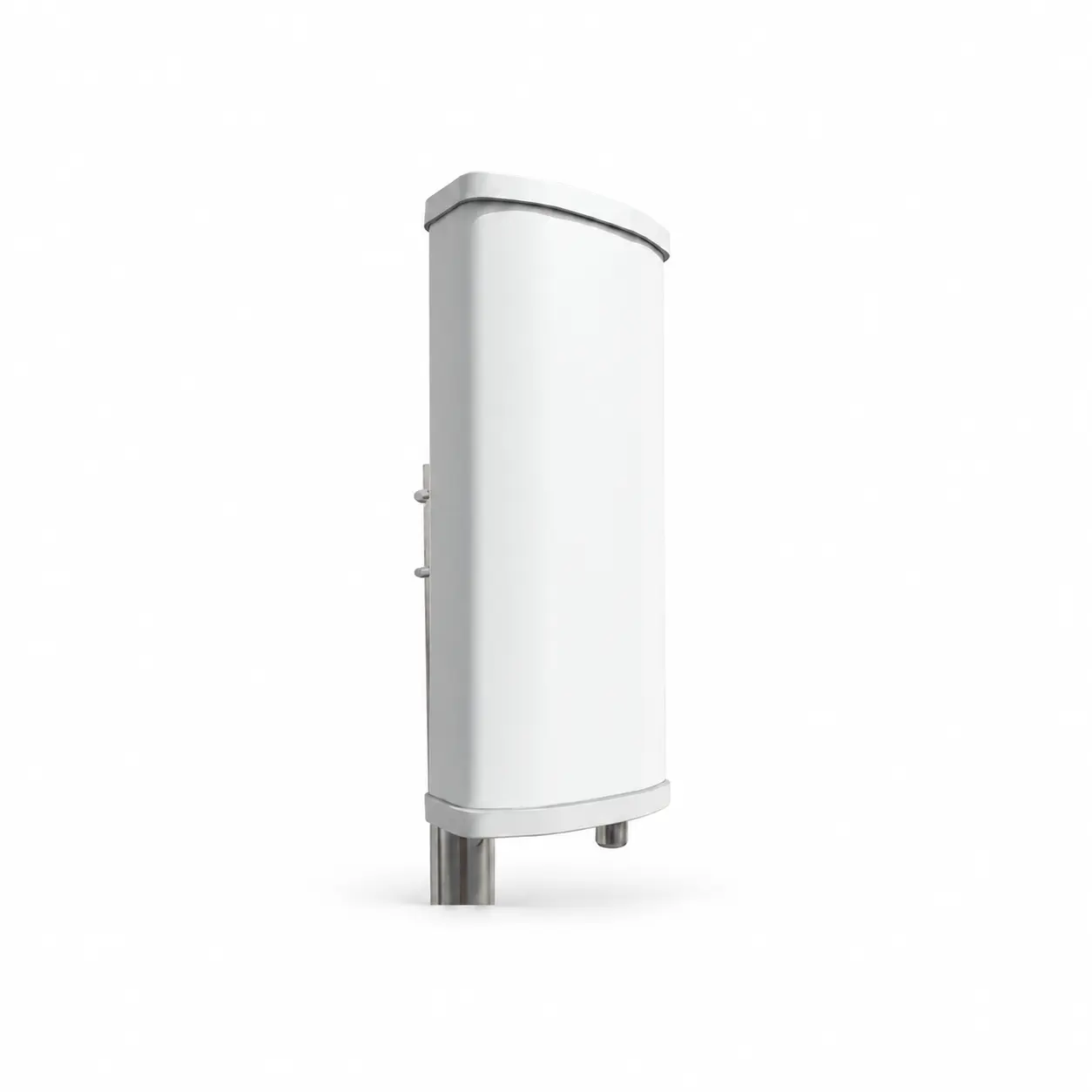
Wireless Gateway

Wireless Gateway

Wireless Gateways and Antenna Applications Overview​

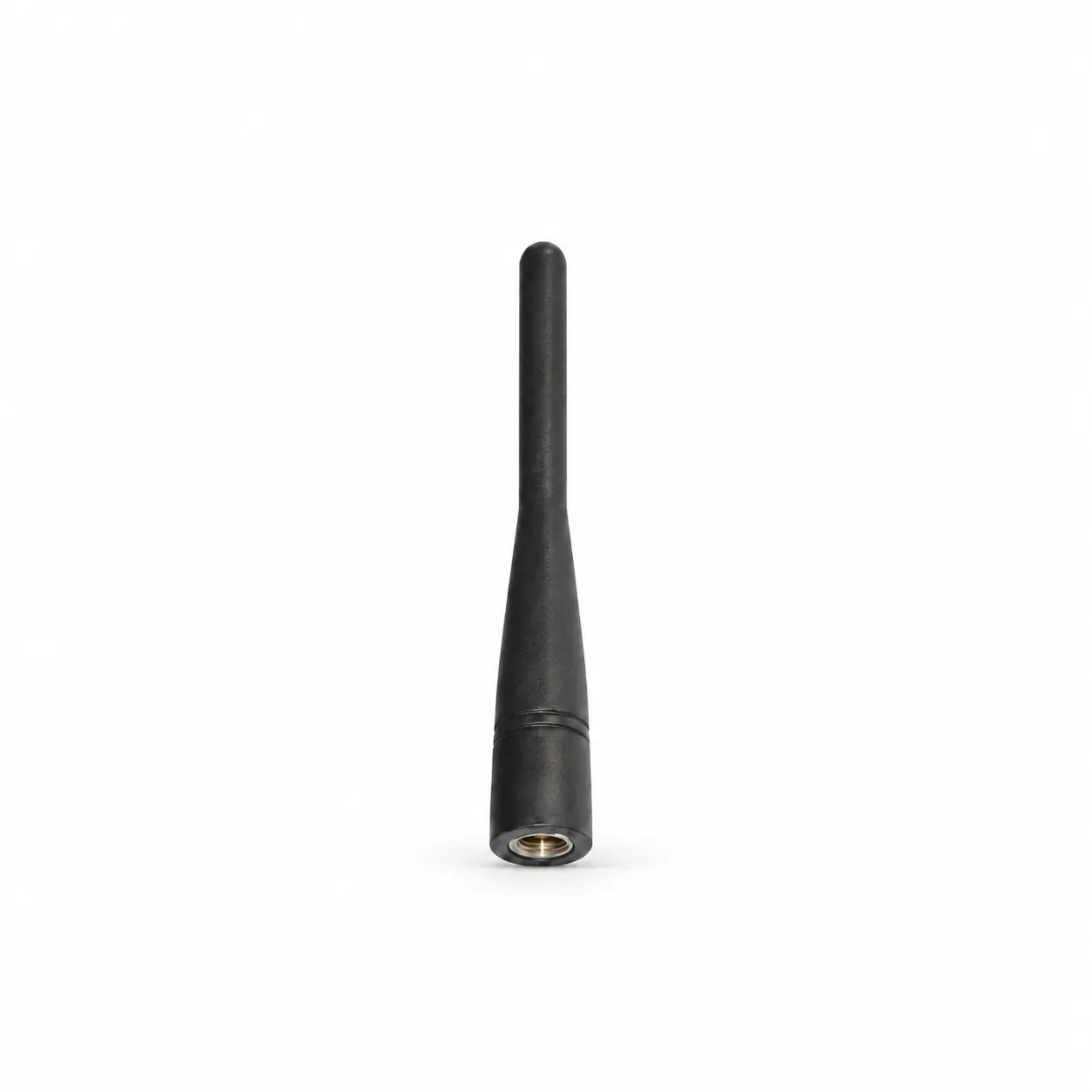
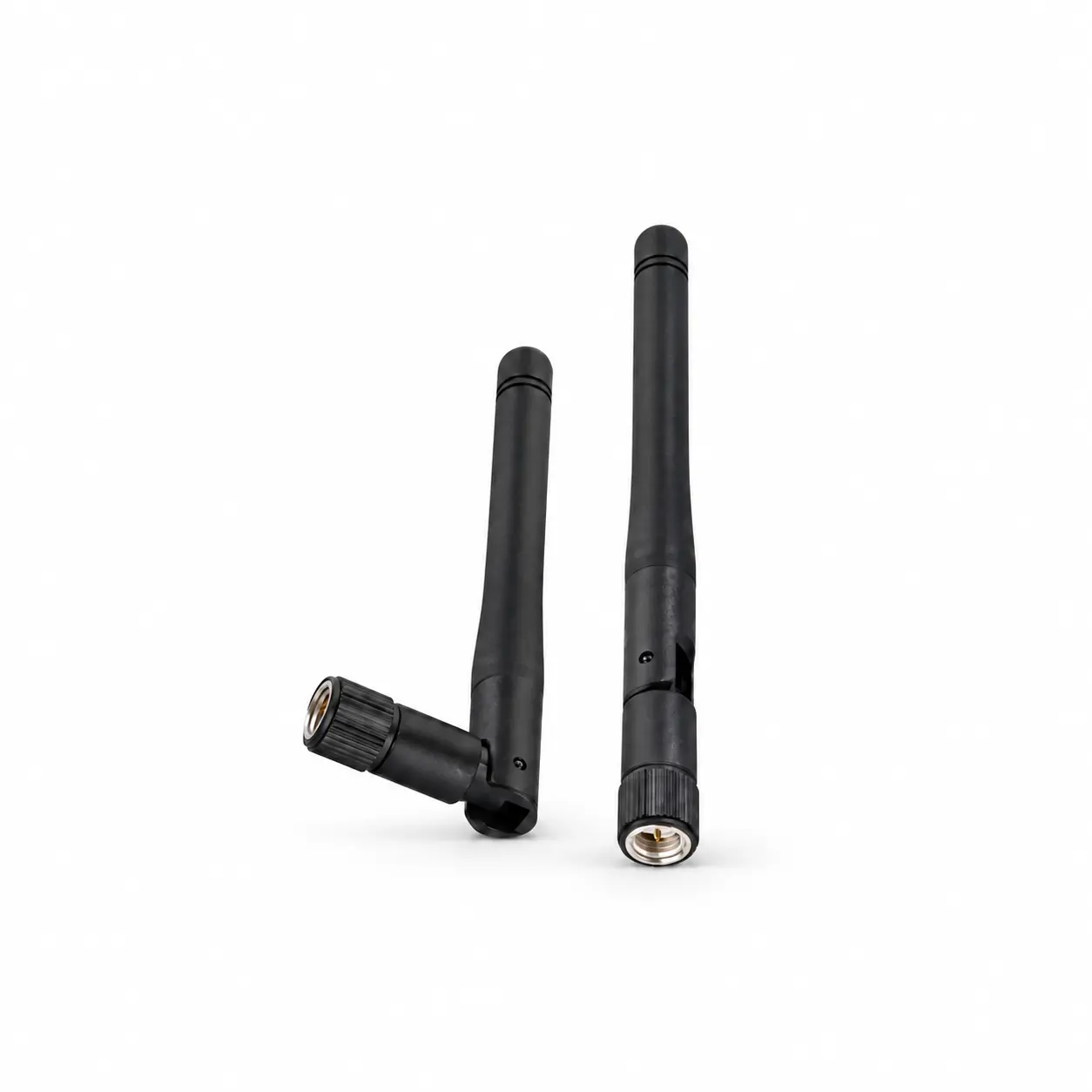
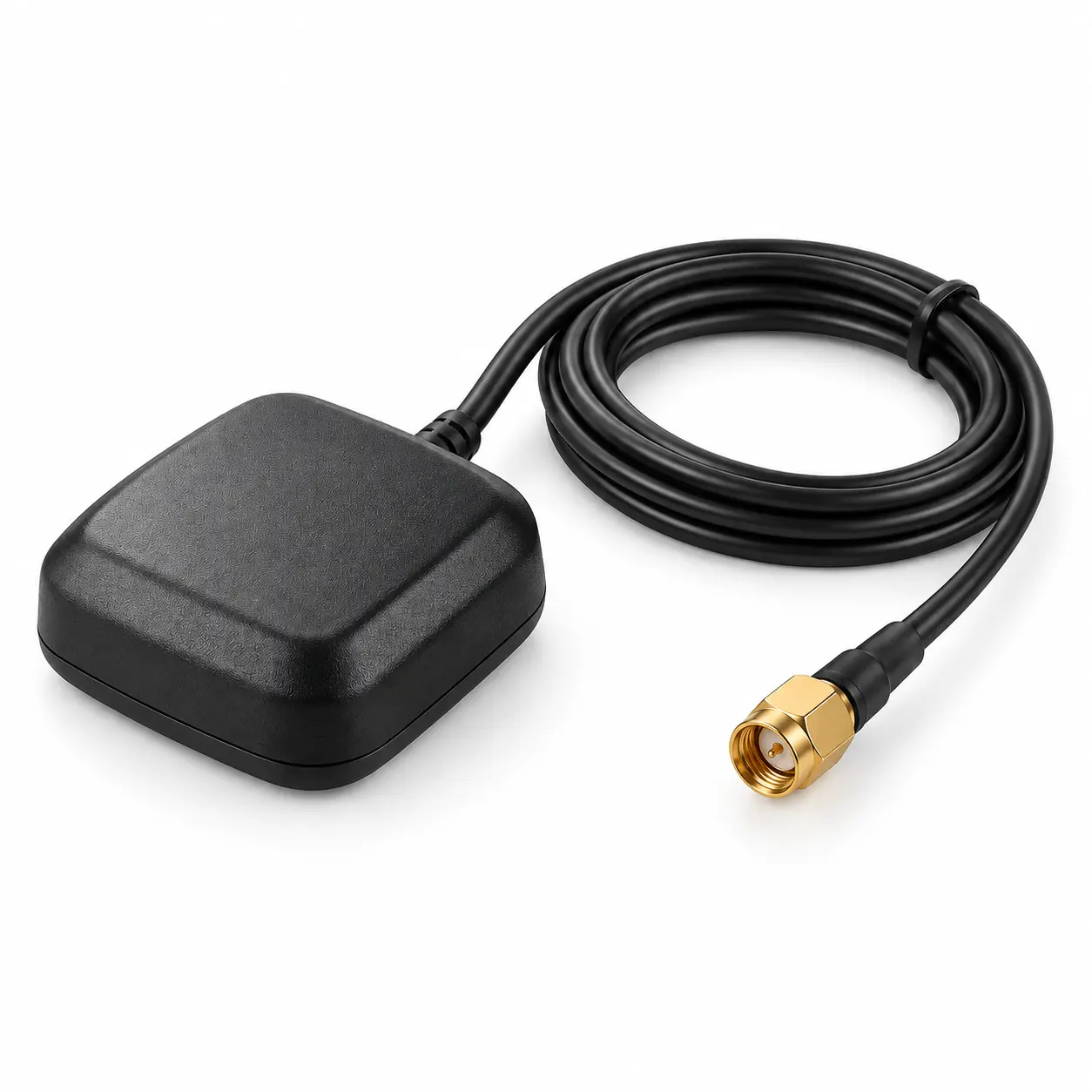
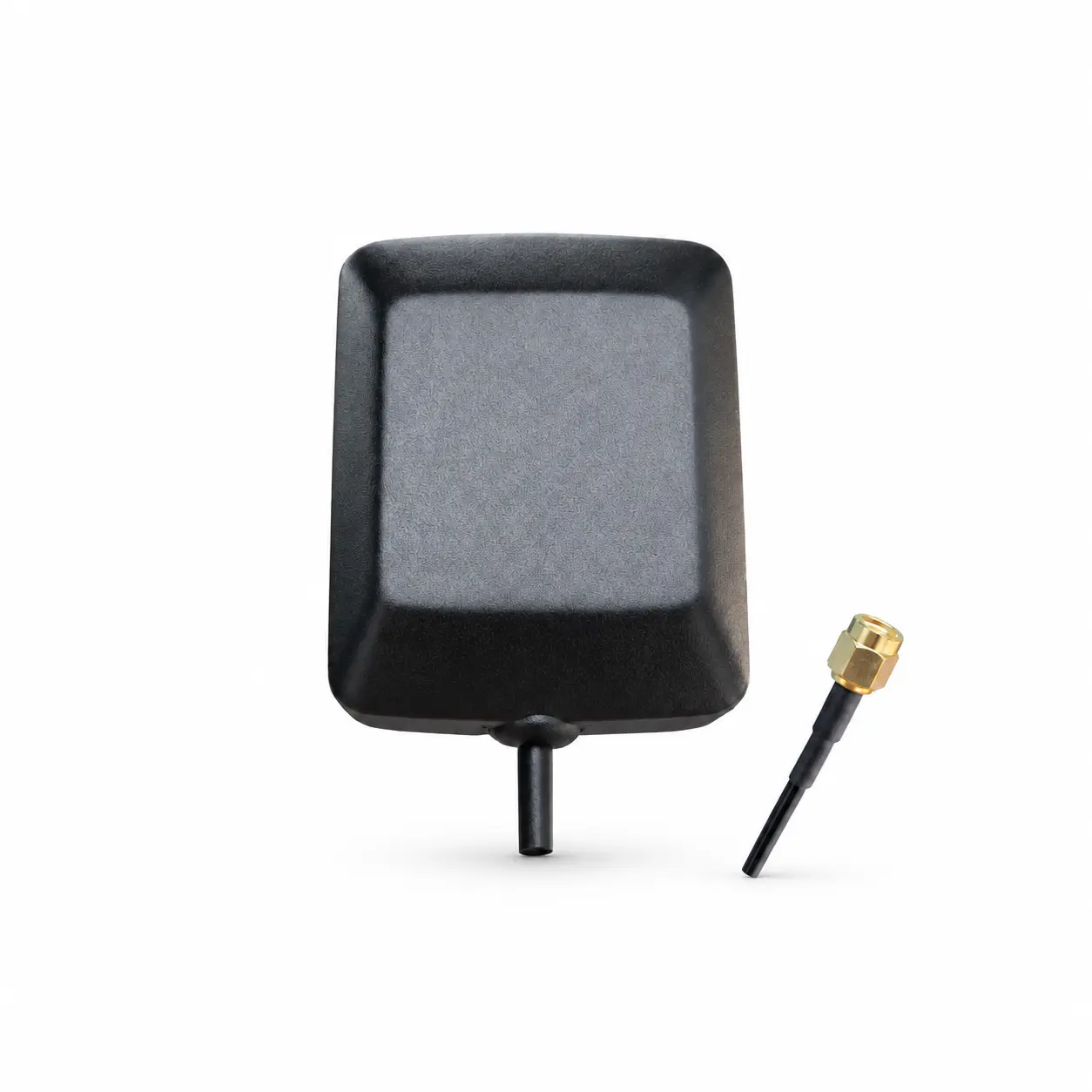
Wireless gateways serve as core hubs in IoT networks, responsible for protocol conversion (e.g., Zigbee to MQTT), multi-band communication (2.4GHz Wi-Fi/BLE and Sub-GHz LoRa/NB-IoT), and edge computing (local data processing). As physical-layer critical components, antennas must adapt to diverse scenario requirements: Wi-Fi gateways utilize dual-band internal antennas with beamforming technology to achieve a coverage radius of 50-100 meters; industrial gateways employ high-gain Yagi antennas to penetrate metal-shielded environments; smart home hubs rely on chip-scale ceramic antennas for rapid Bluetooth/Wi-Fi device pairing.
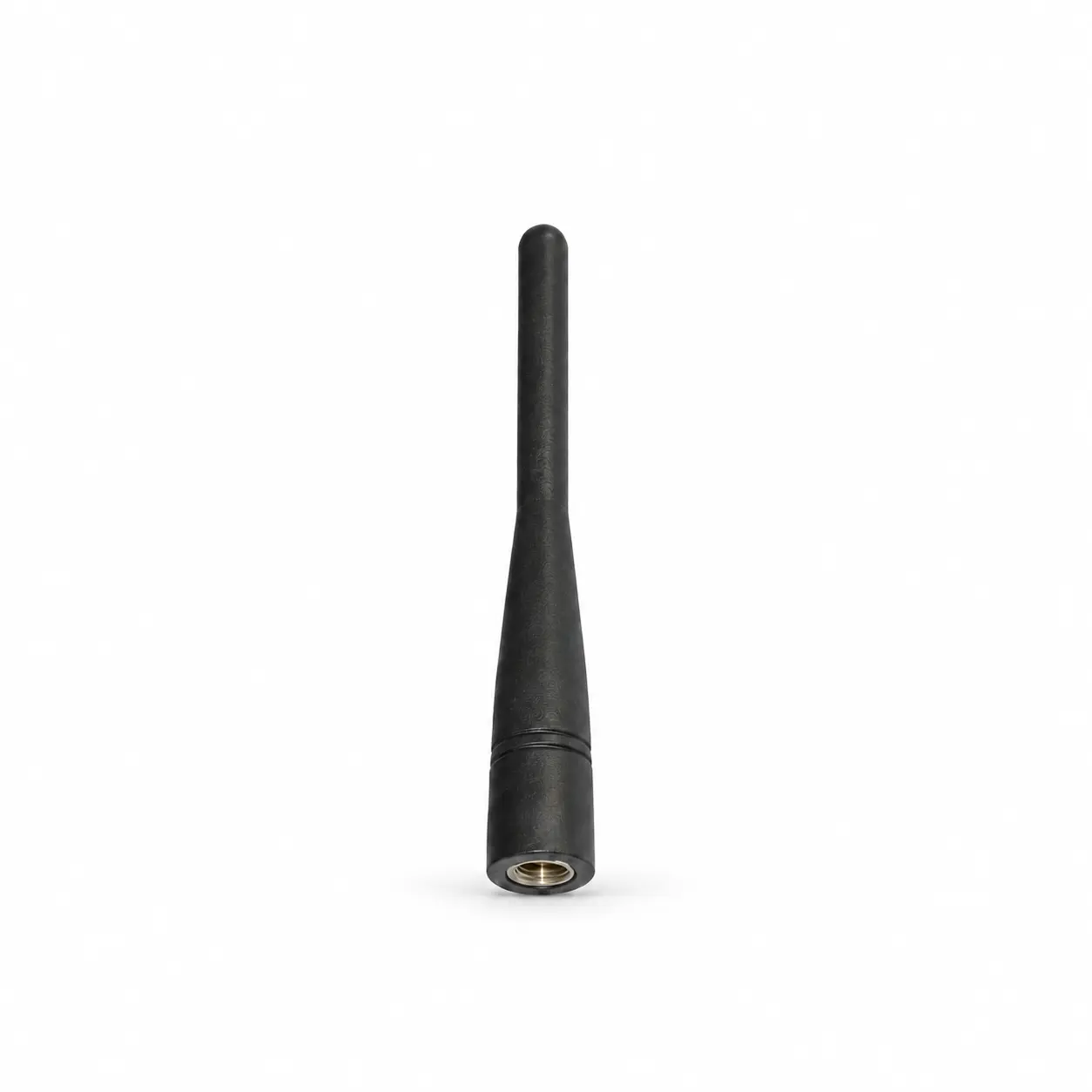
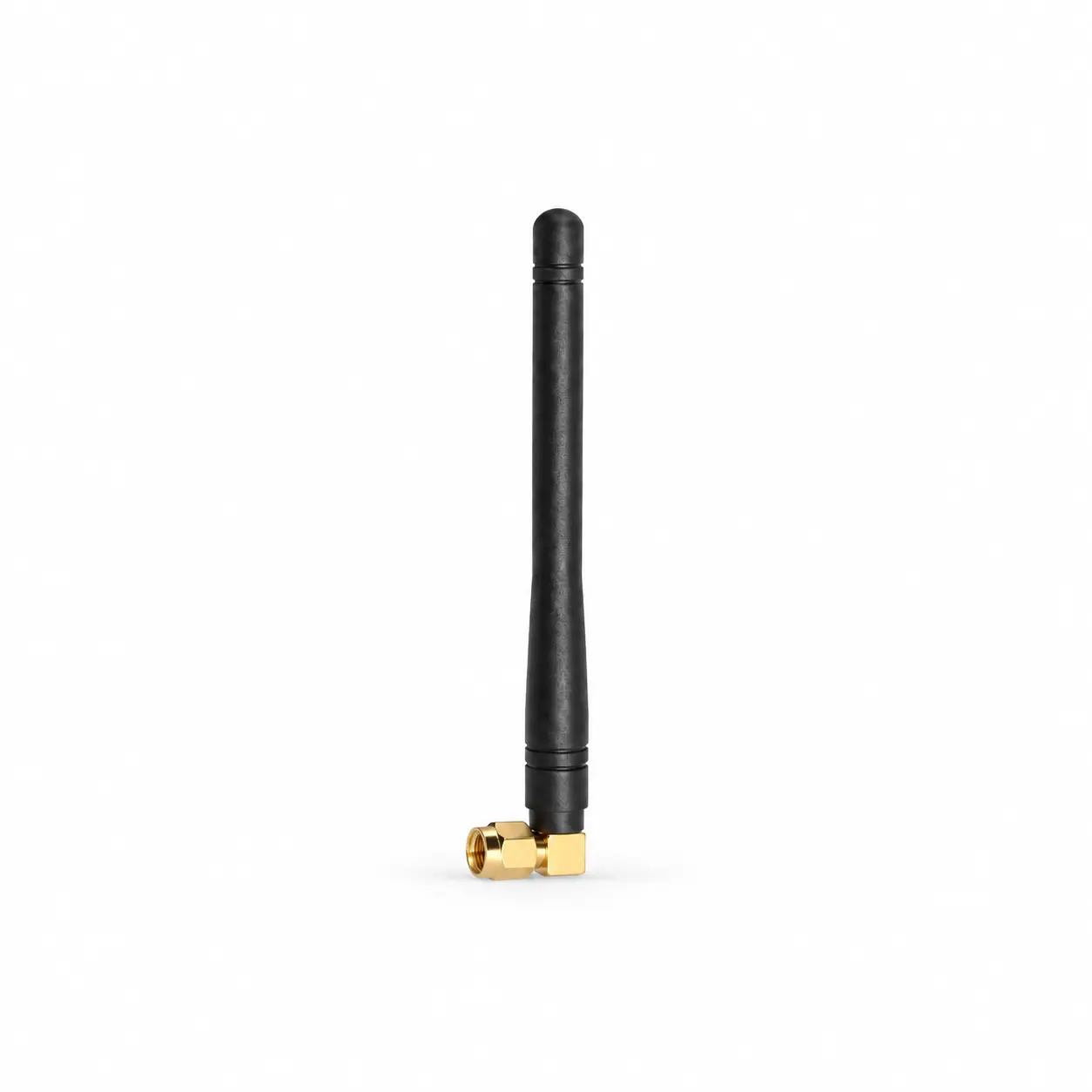
Wireless Gateway1

Technological Breakthroughs and Scenario Adaptation

Antenna technology innovations significantly enhance gateway performance: MIMO multi-antenna arrays achieve 1 Gbps-level throughput via spatial multiplexing (Wi-Fi 6 standard), intelligent tuning systems dynamically adapt to environmental interference (signal fluctuations <2 dB), and metamaterial antennas reduce size to 1/10 of traditional designs. In practical applications, LoRa gateways paired with helical antennas cover 1-kilometer radii in farmland, vehicular networking road-side units (RSUs) utilize millimeter-wave antennas for sub-meter-level positioning, and solar power station gateways employ dual-band antennas to synchronously transmit power generation and device status data.

Wireless Gateway2
Scroll to Top

Contact Us