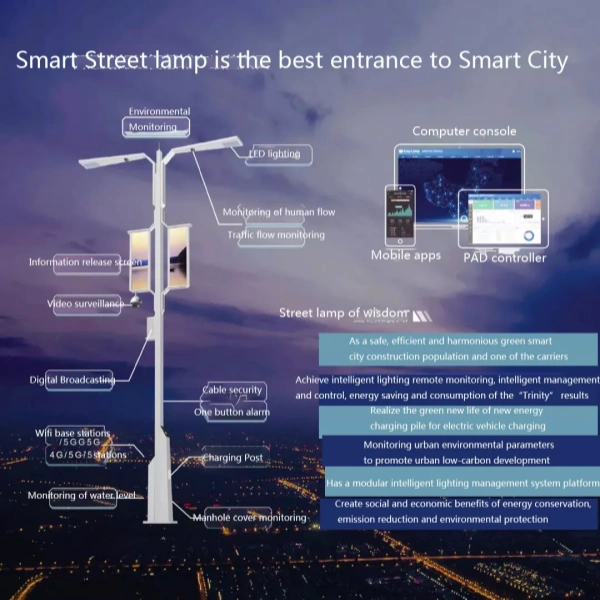
Smart lighting systems utilize IoT (Internet of Things) technology to enable remote control, dynamic dimming, and energy consumption optimization of lighting devices. They are widely deployed in urban streetlights, commercial buildings, and residential scenarios. Core functionalities include environmental sensing(light intensity/human presence detection), intelligent scheduling(on-demand switching/brightness adjustment), and energy management (30%-60% reduction in power consumption), relying on wireless communication technologies such as Zigbee, Wi-Fi, and NB-IoT to enable device connectivity.
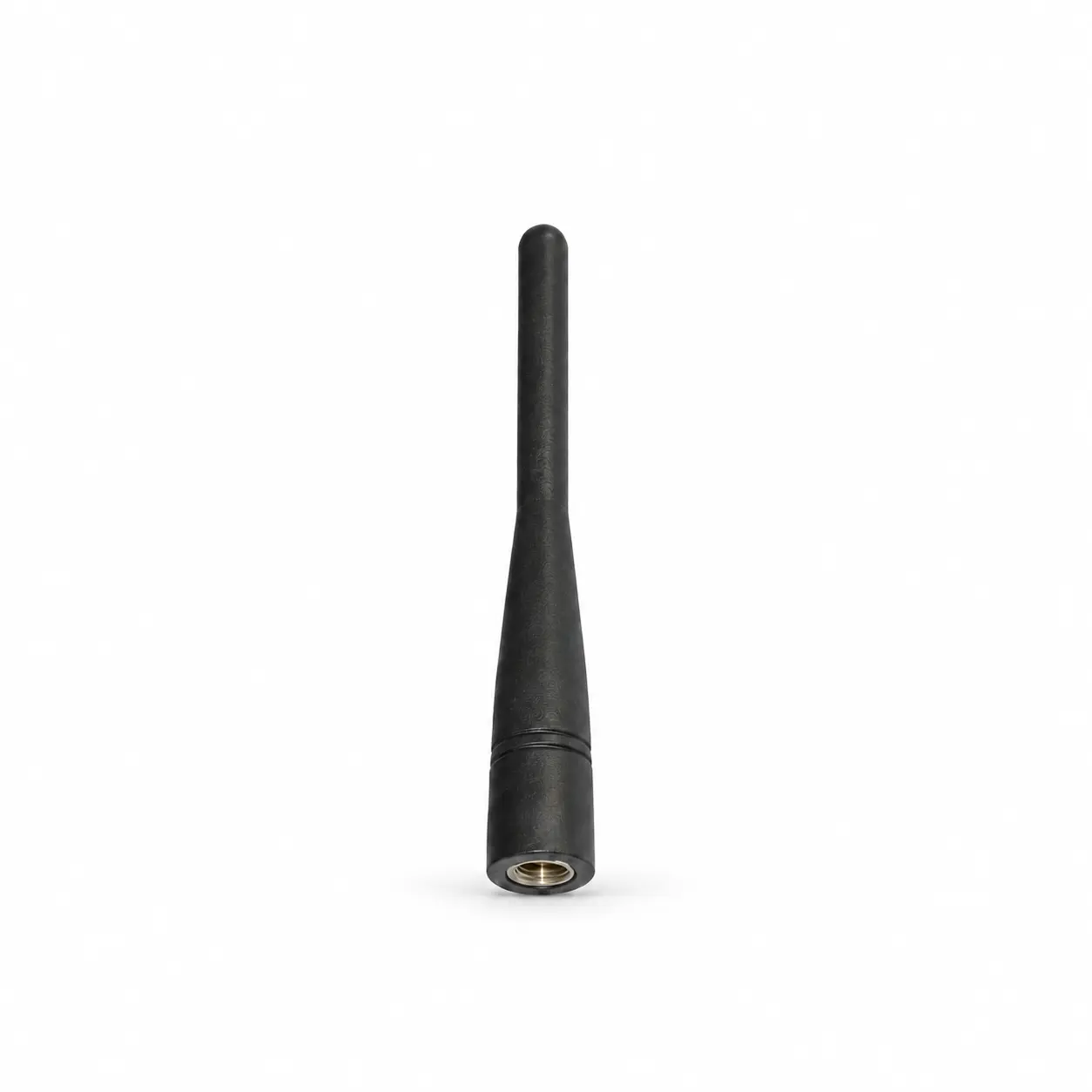
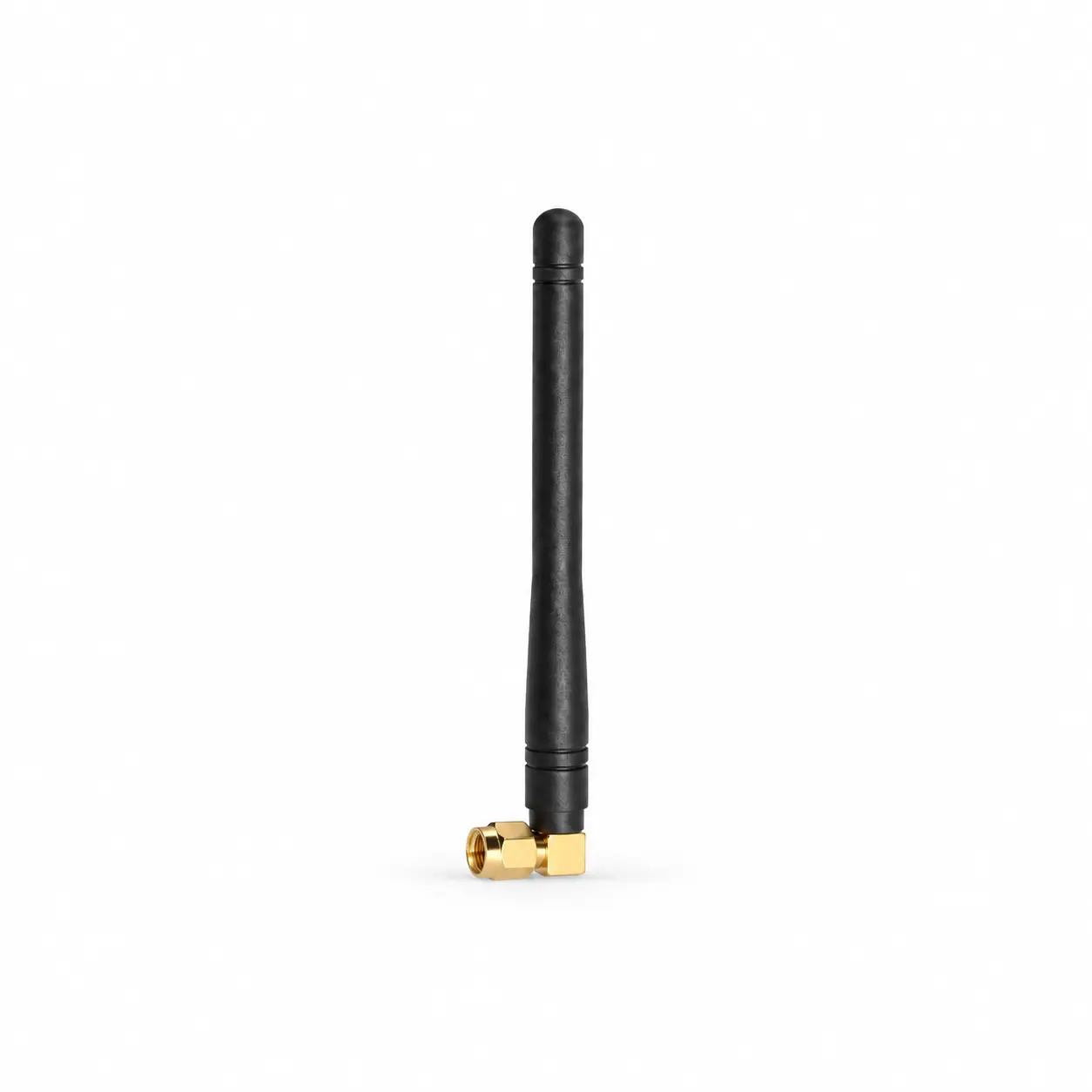
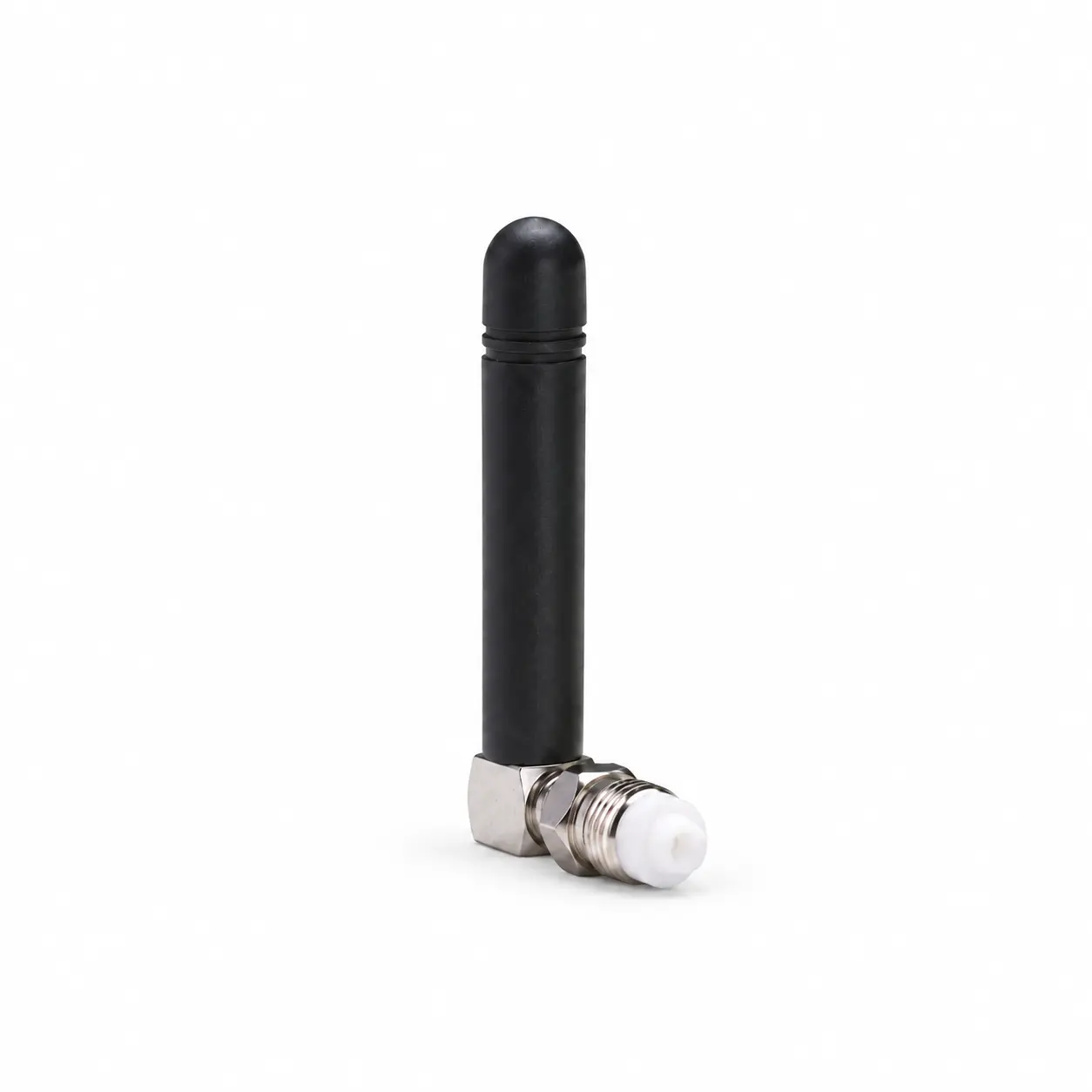
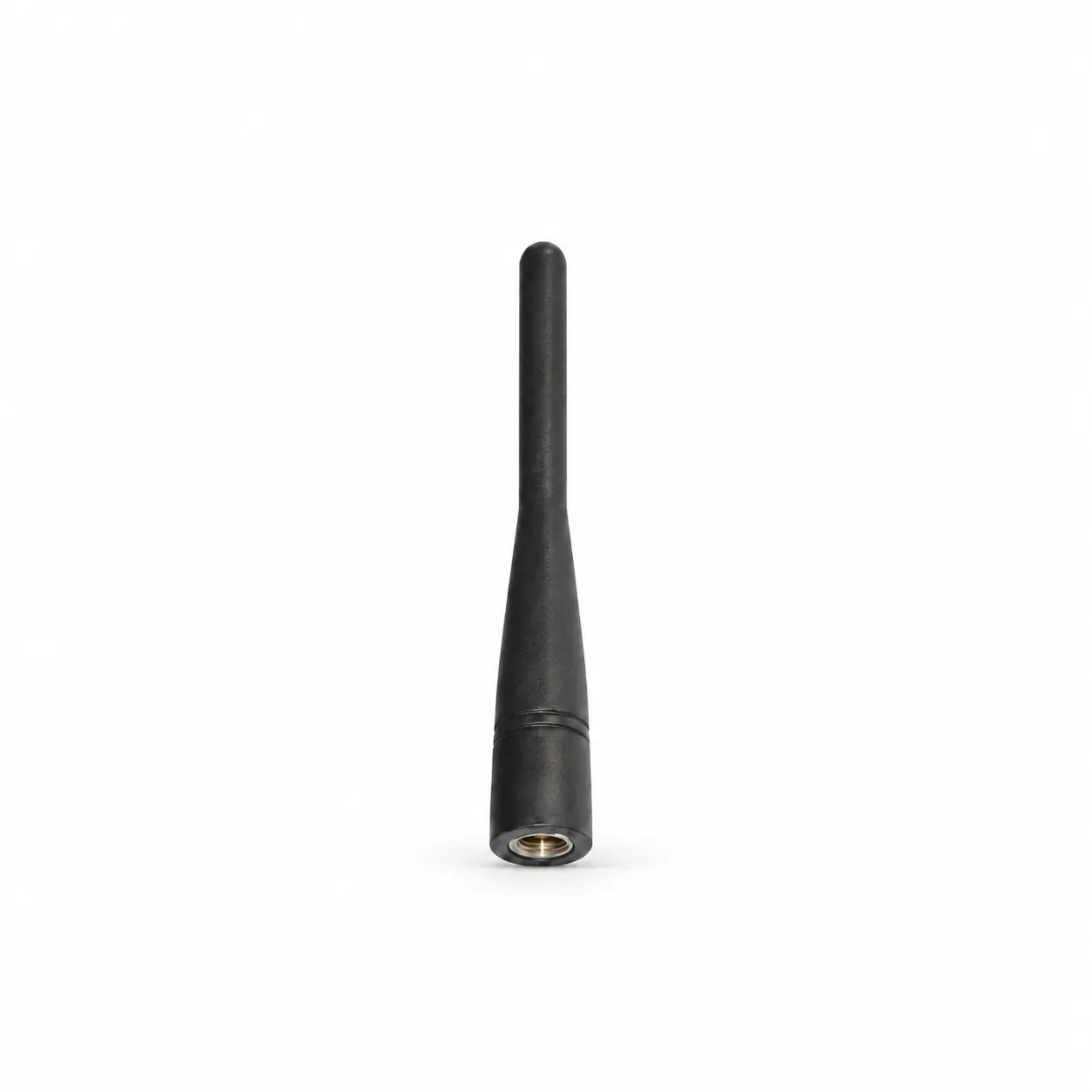
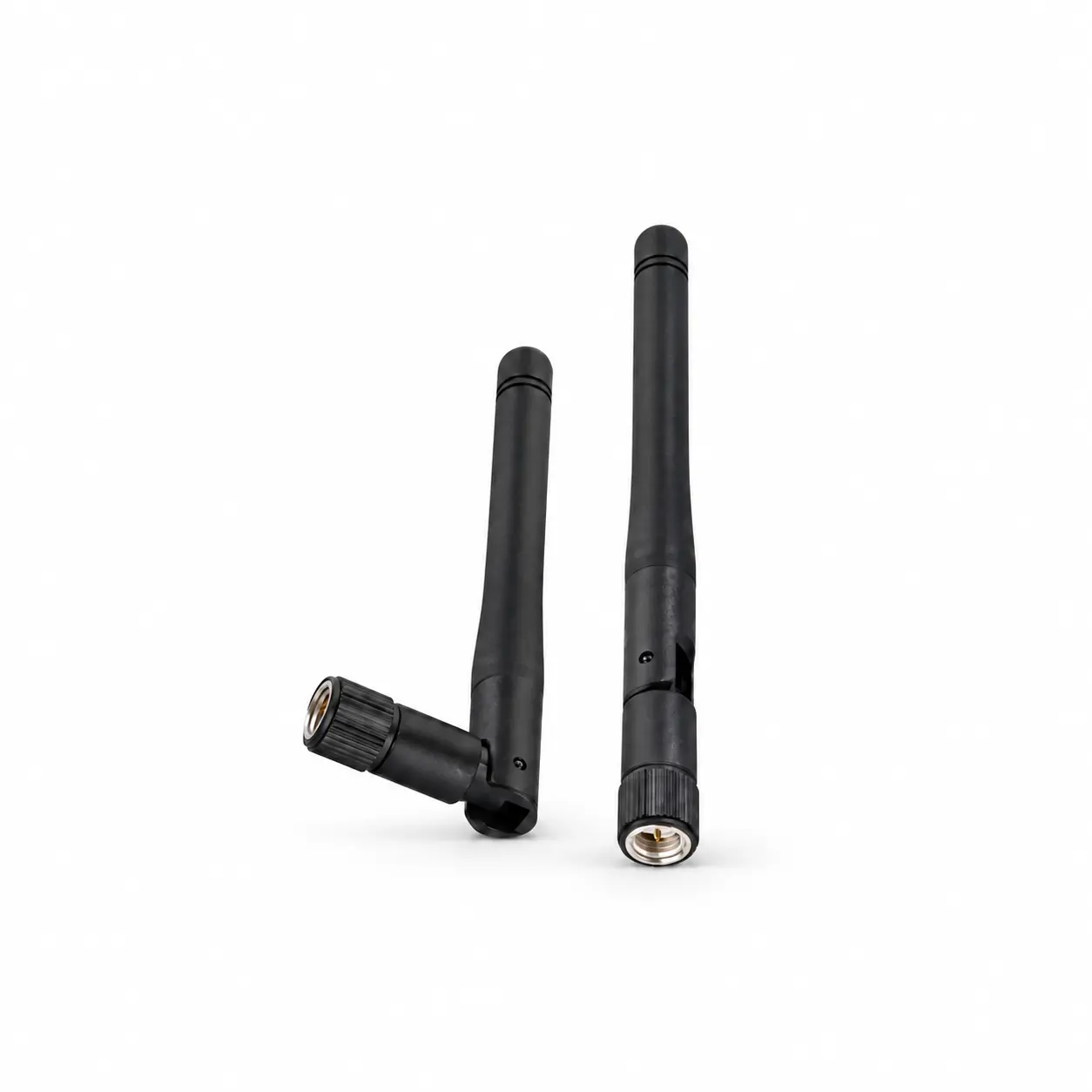
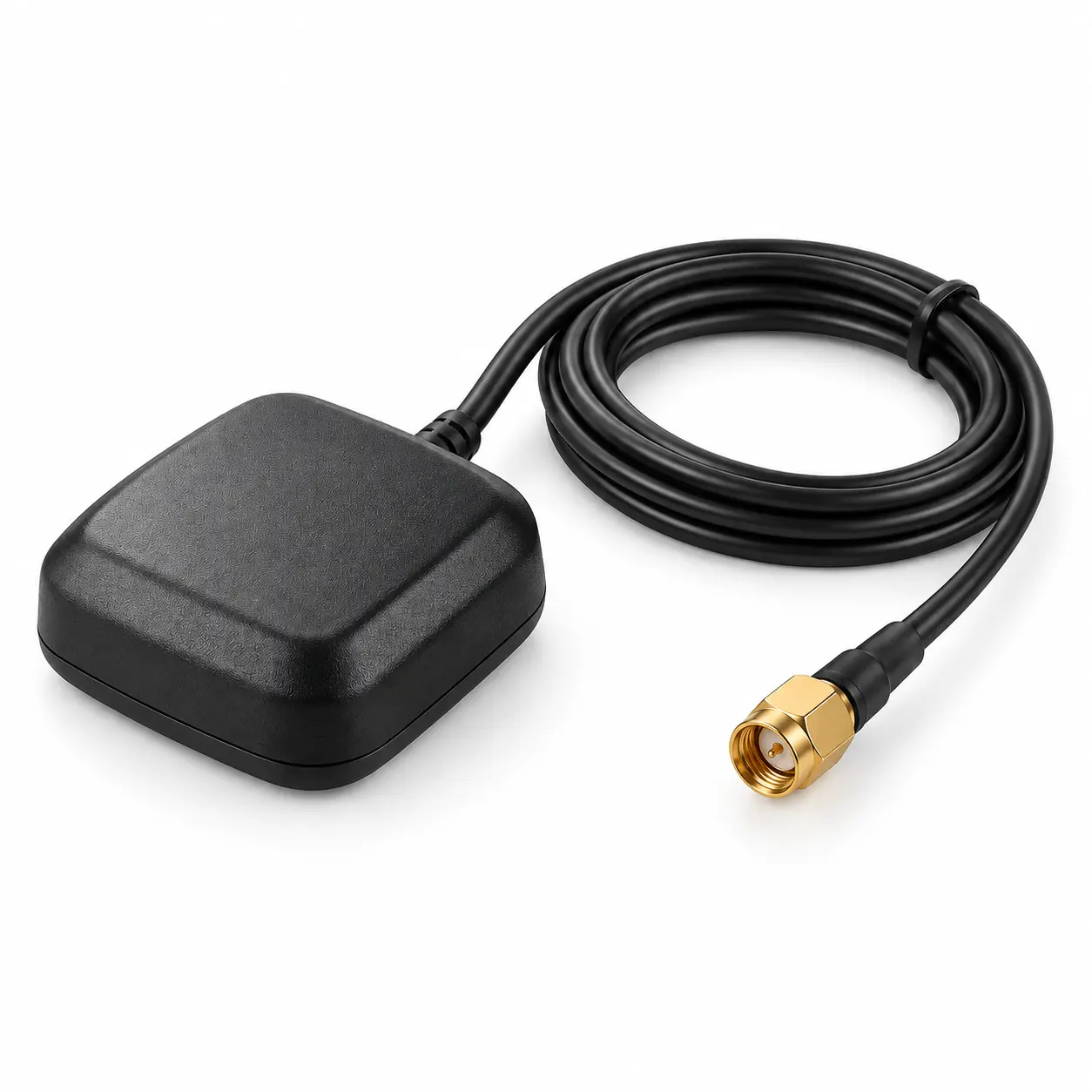
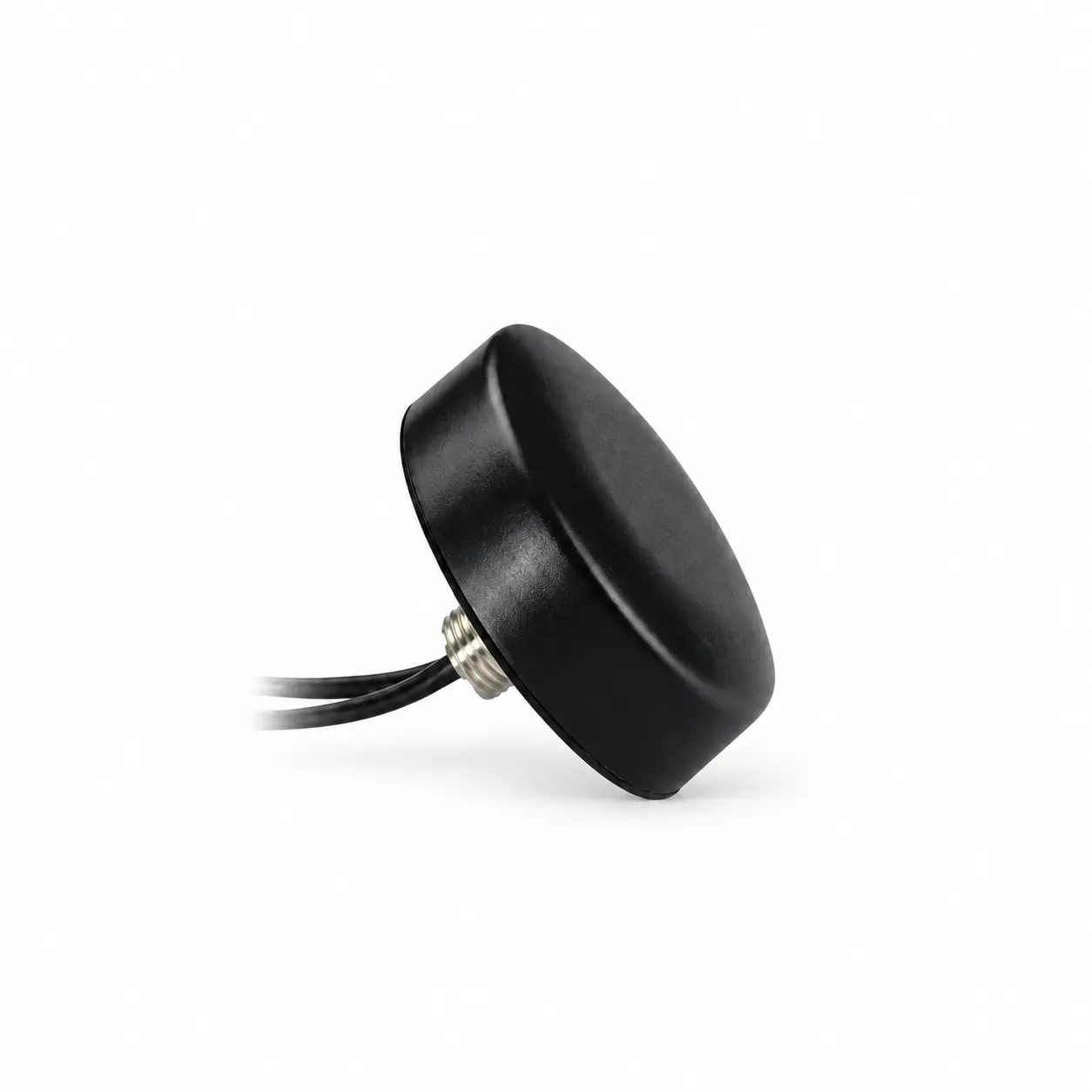
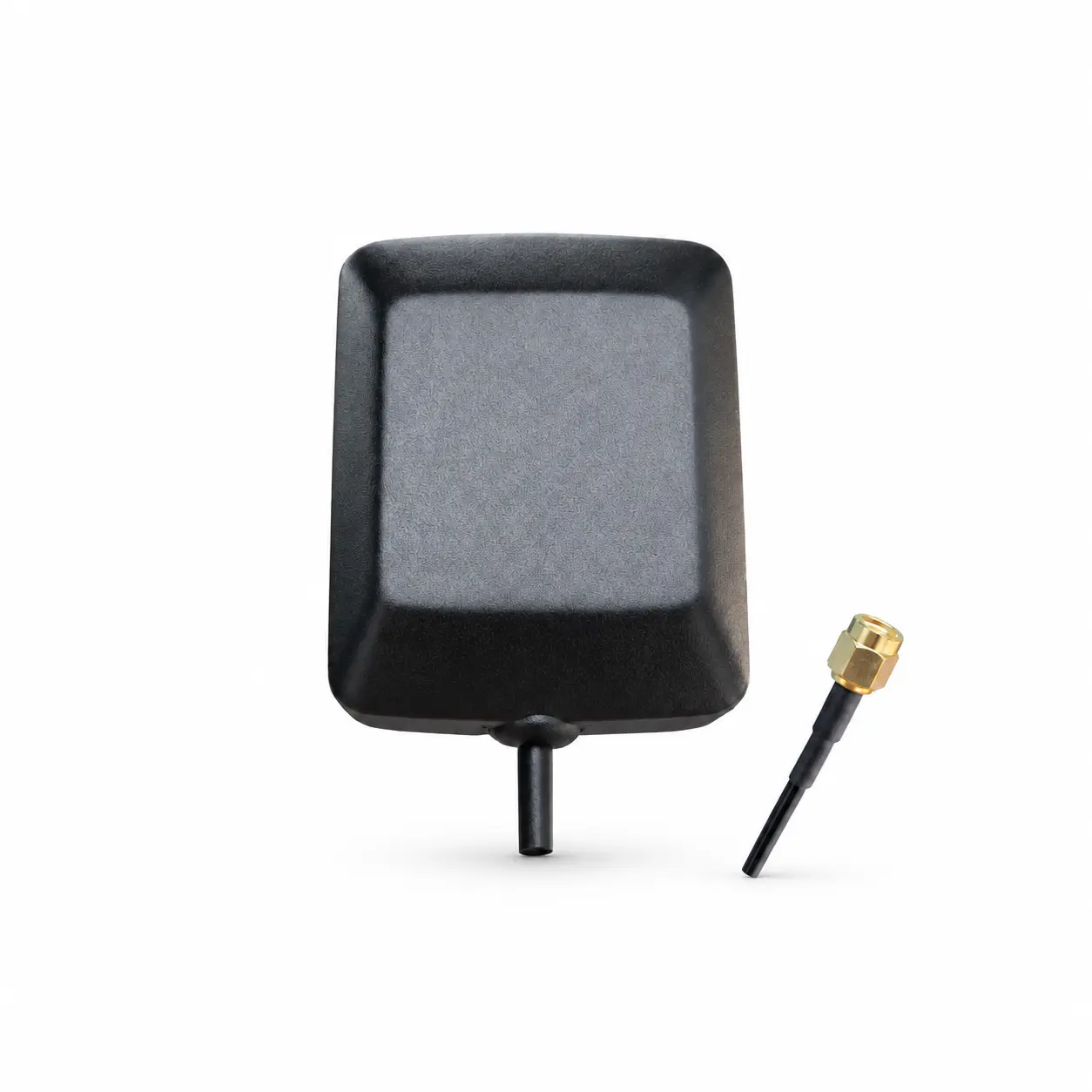
As core components of wireless communication, antennas address remote control and environmental adaptation challenges in lighting systems:
• Urban Streetlights: Sub-GHz ceramic antennas penetrate building obstructions, enabling thousands of devices to form a LoRaWAN network;
• Indoor Lighting: Integrated 2.4GHz Wi-Fi antennas (e.g., chip-scale circular antennas) compatibility with voice assistants like Alexa;
• Industrial Settings: High-gain Yagi antennas ensure full coverage in warehouses/factories while resisting metal structure interference.