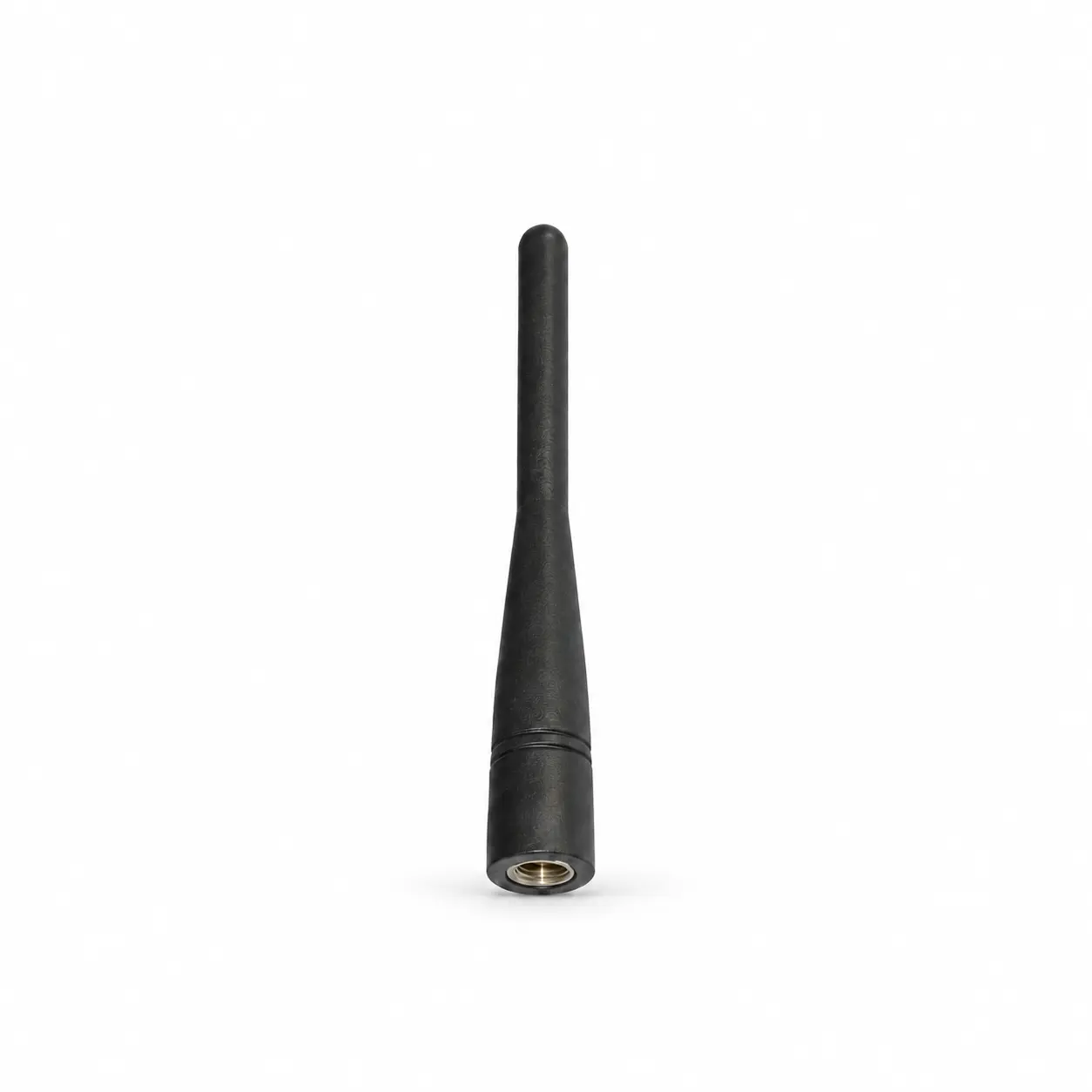
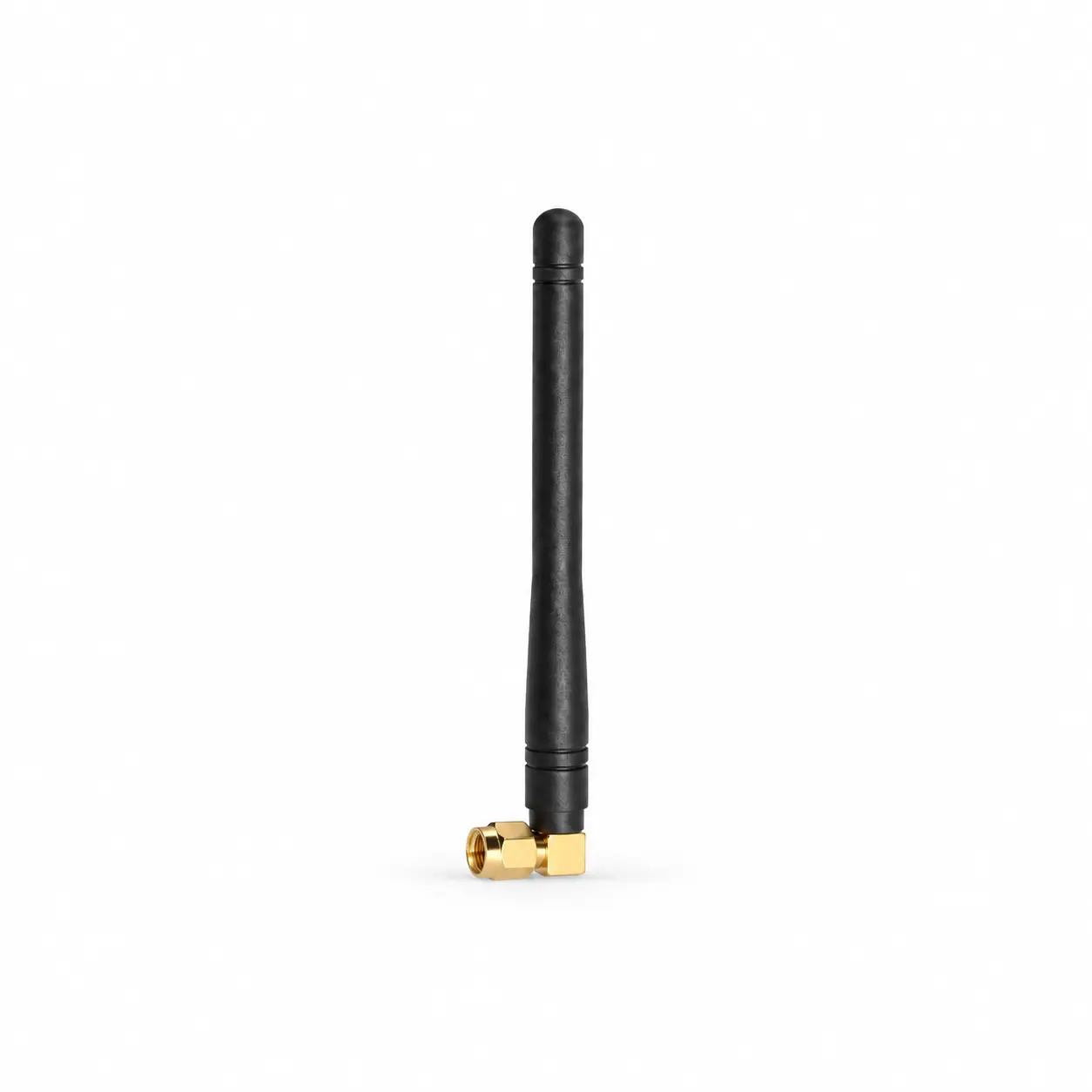
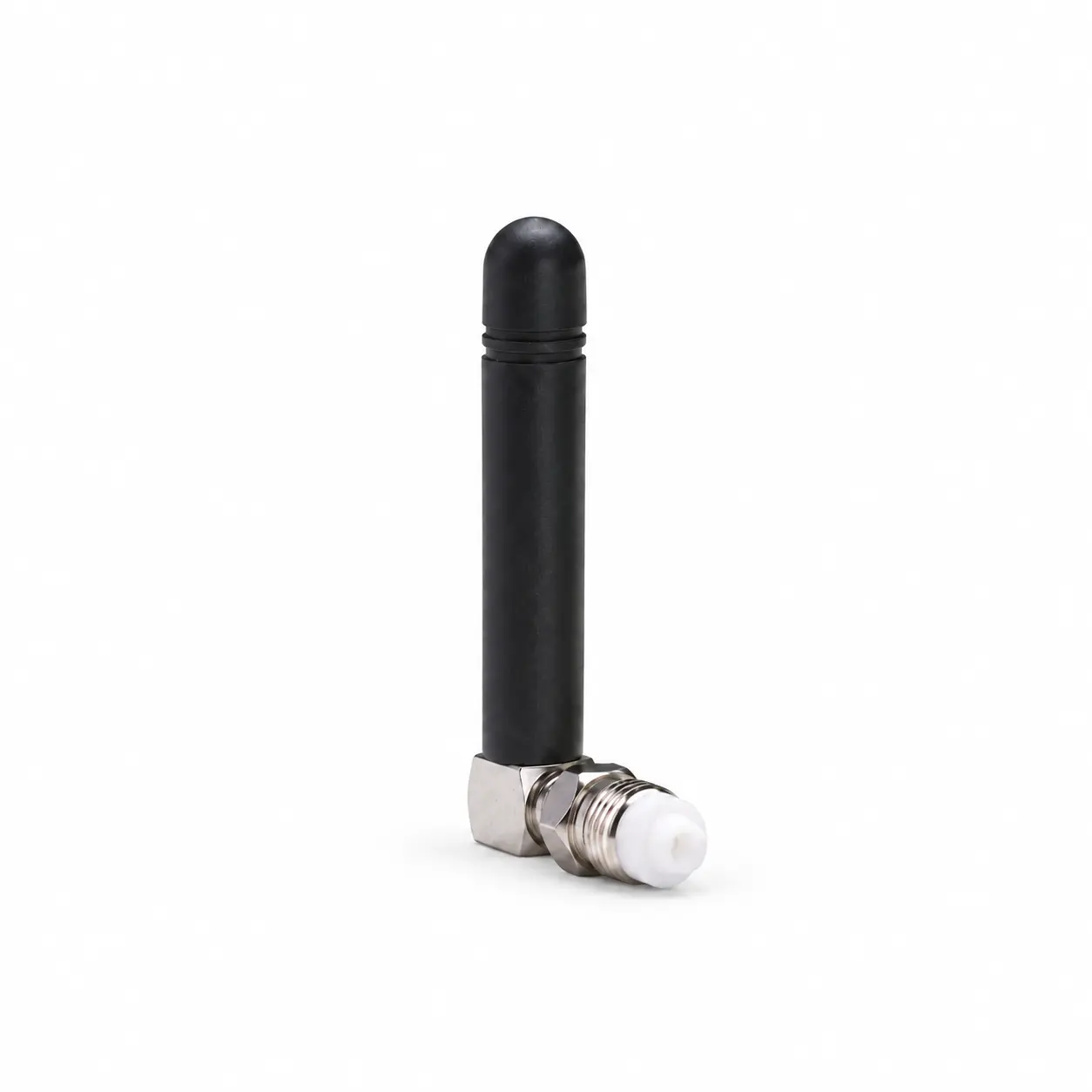
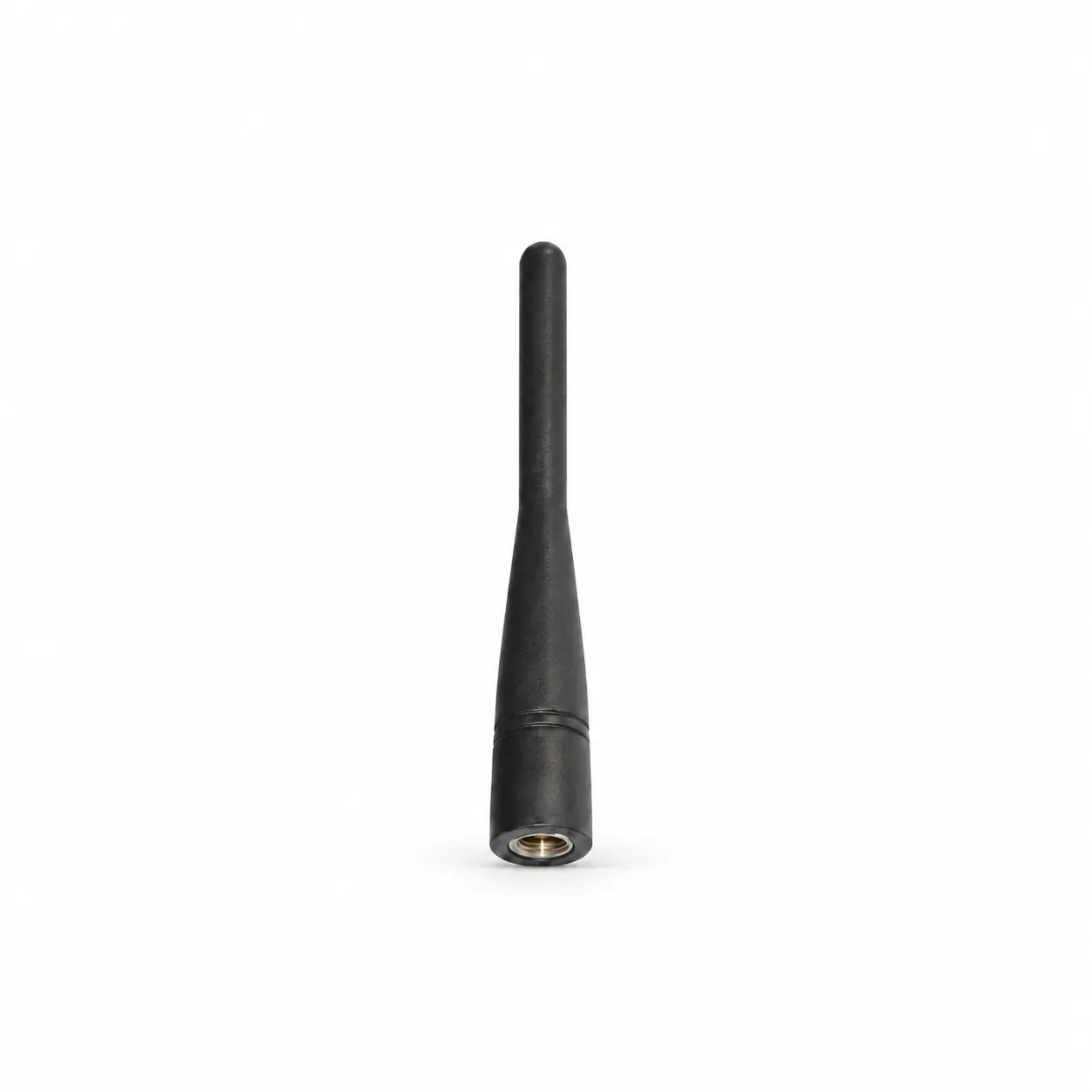
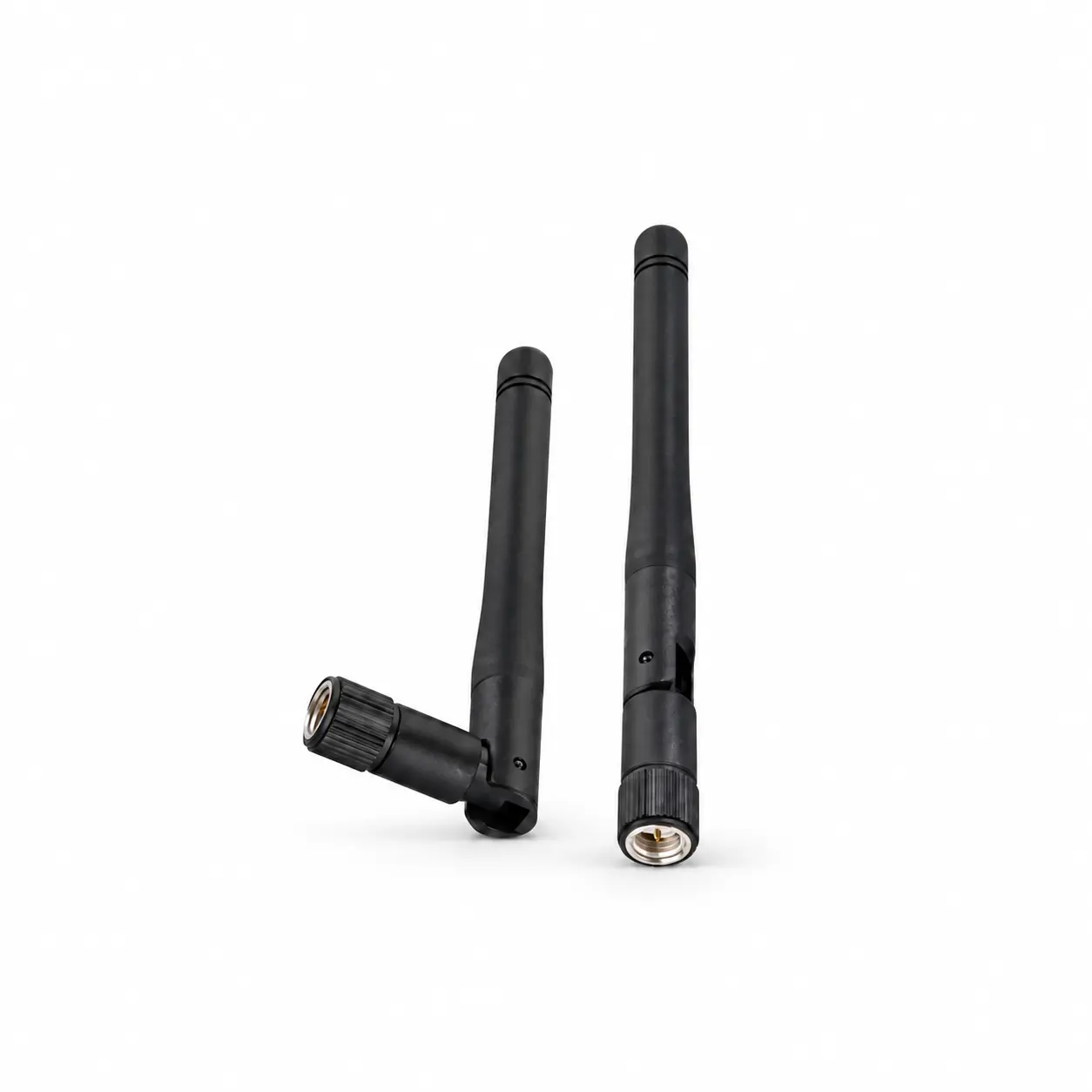
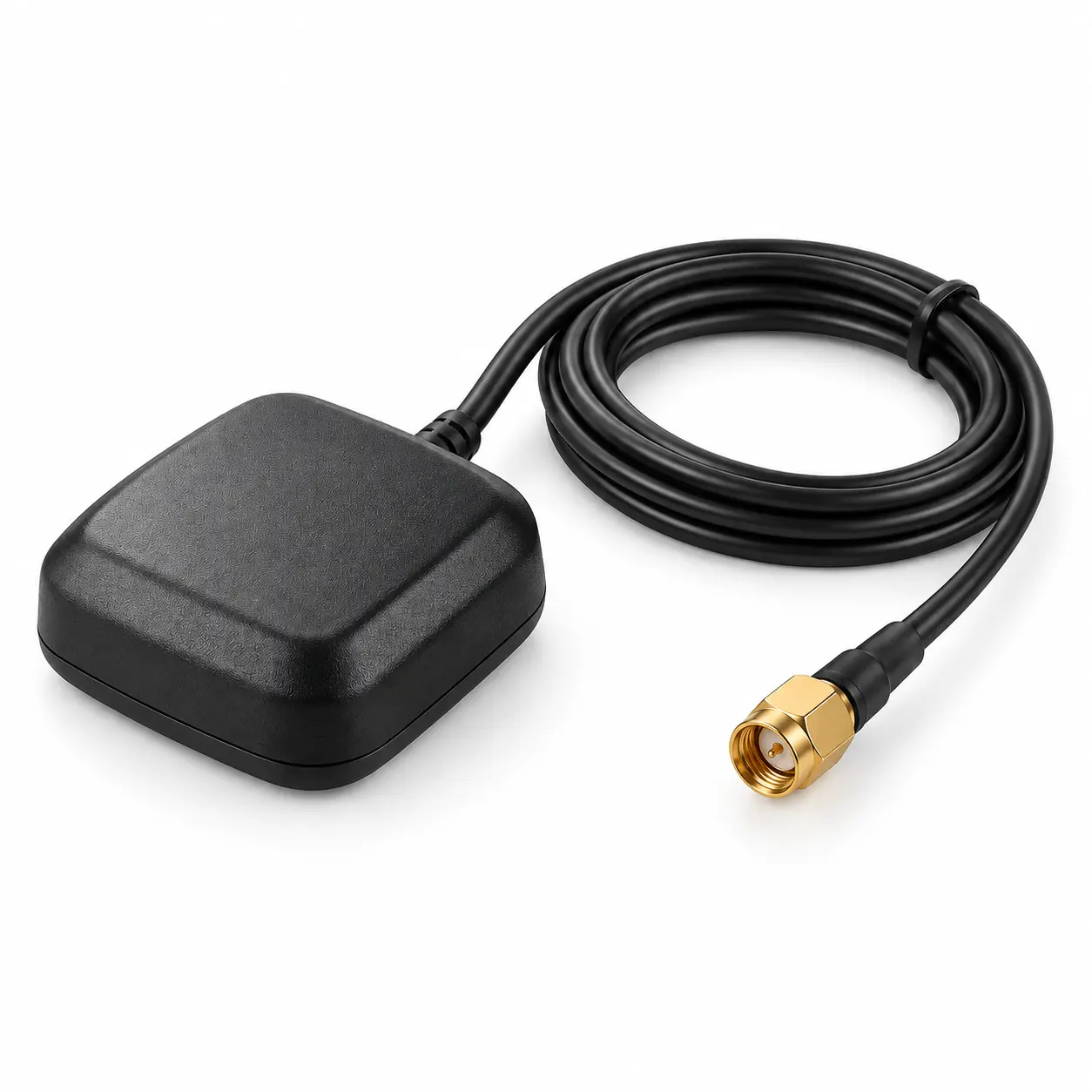
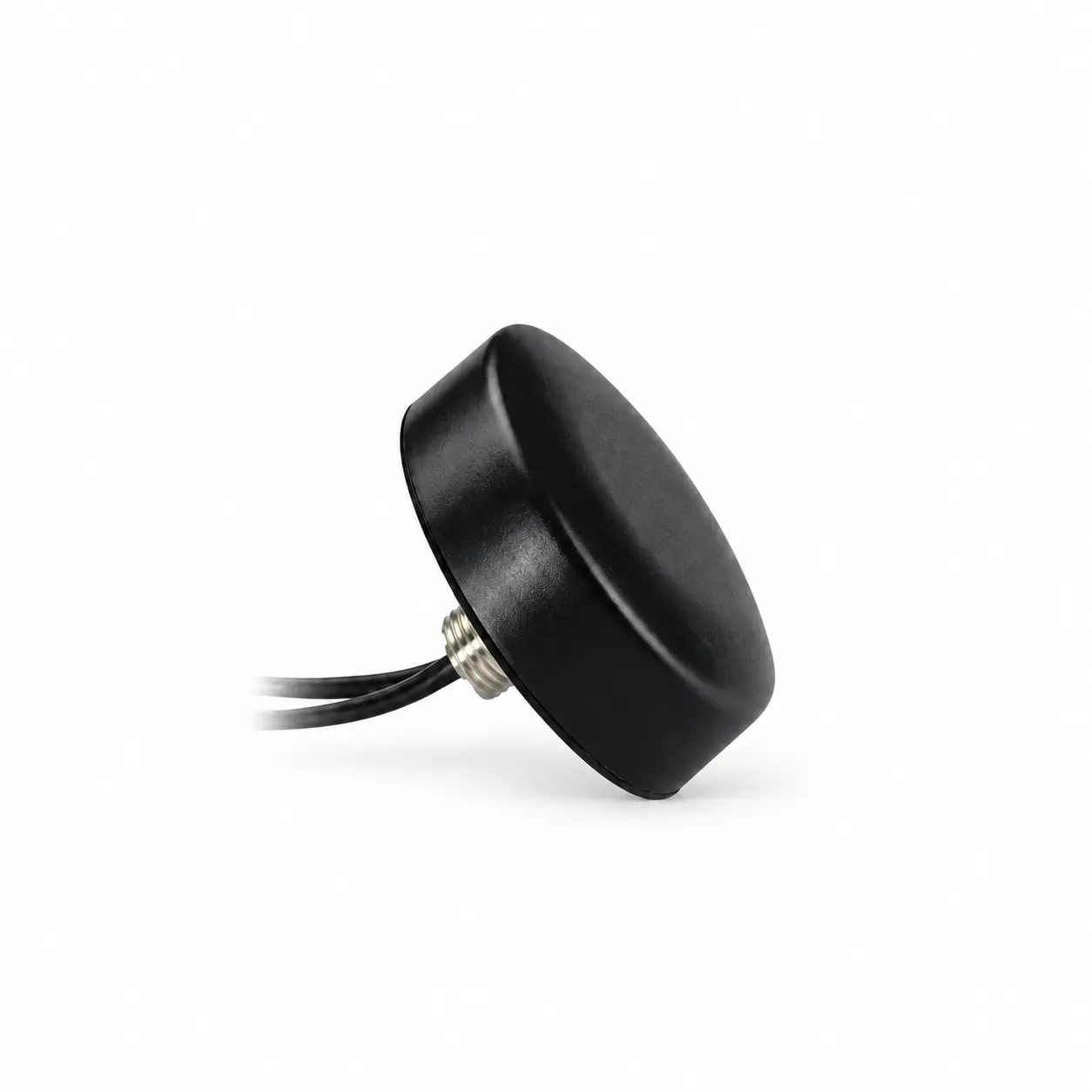
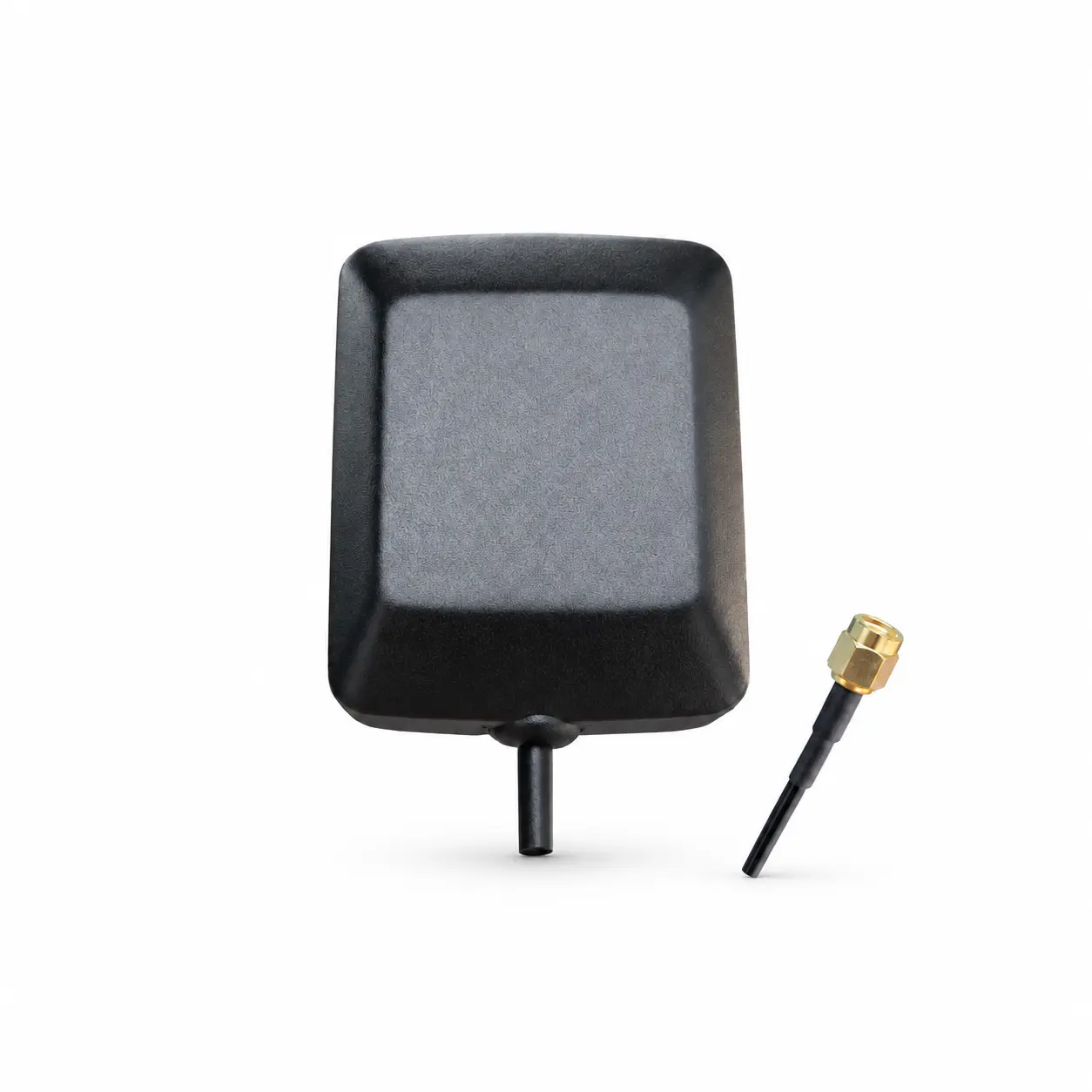
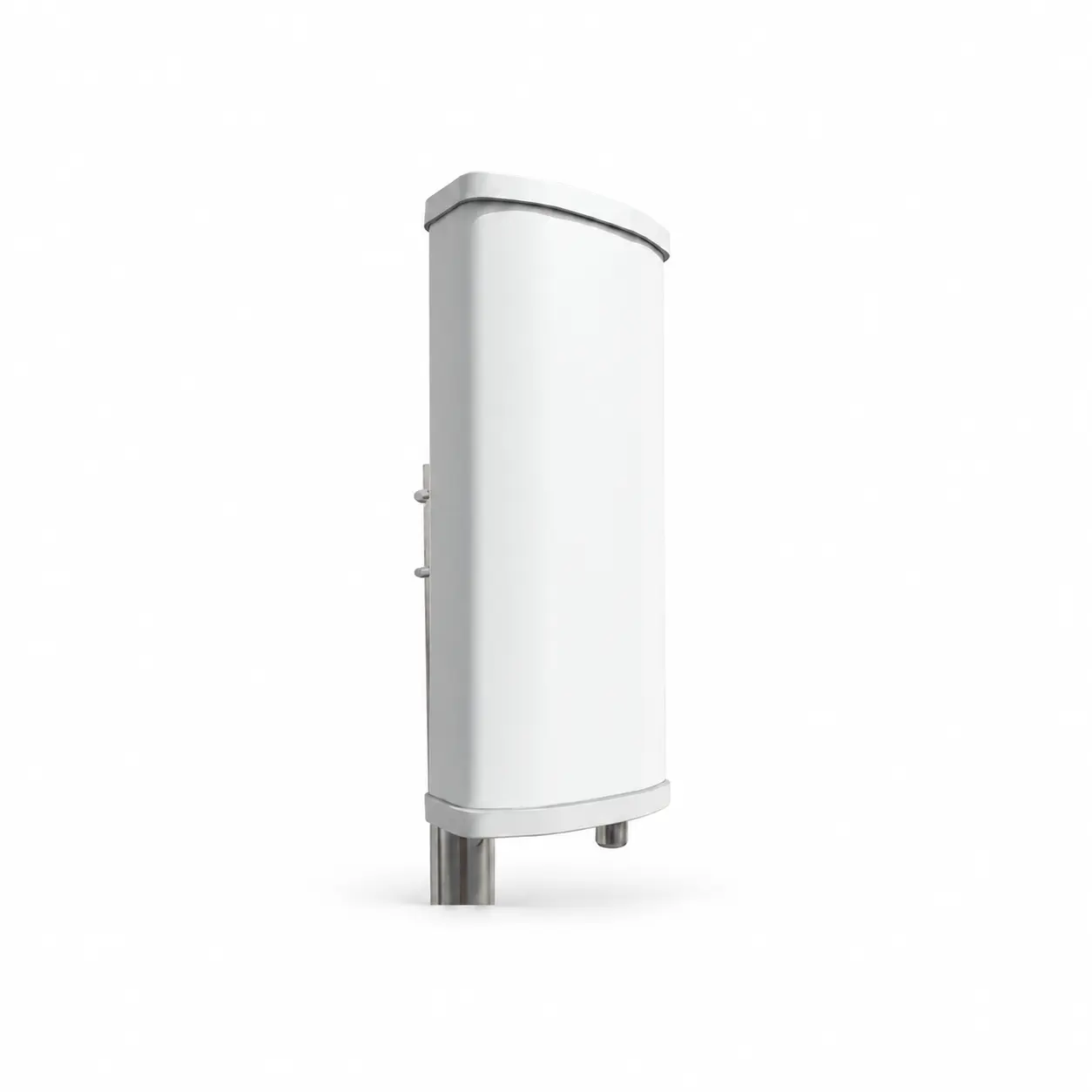
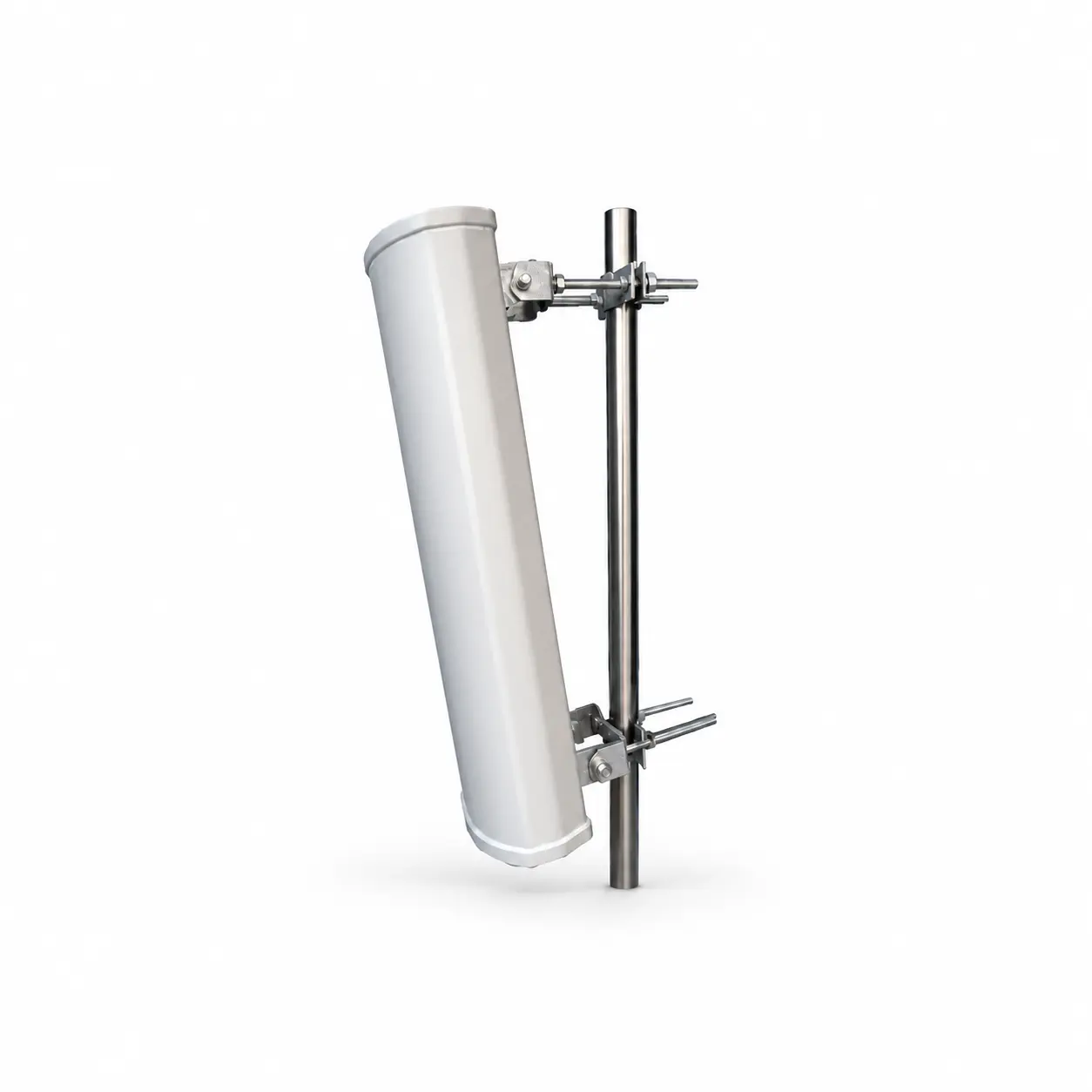
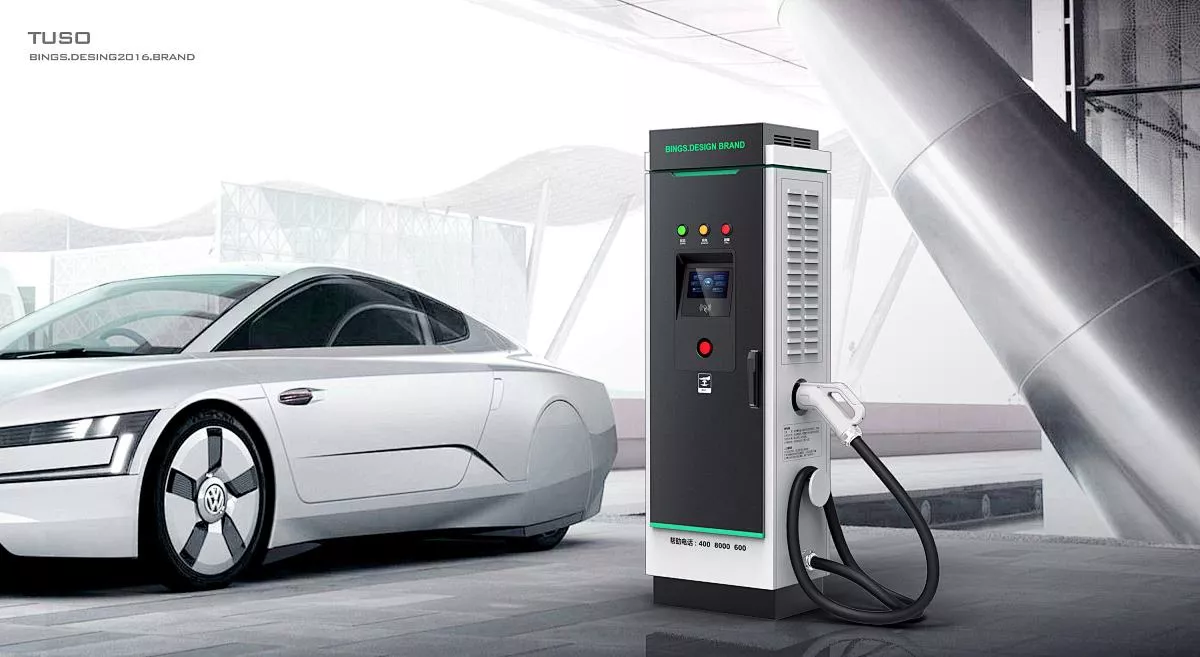
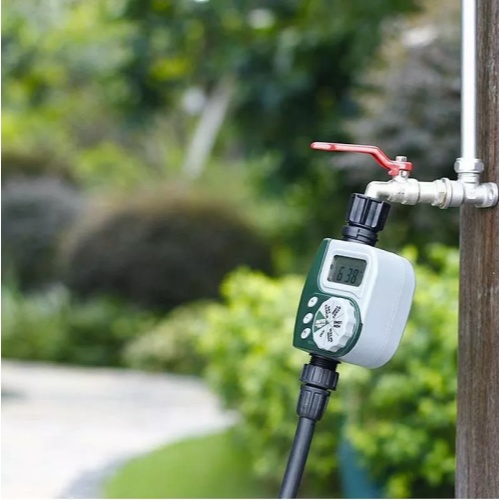
Smart energy devices leverage IoT and artificial intelligence technologies to achieve end-to-end digital management of energy production, transmission, and consumption, encompassing smart meters (electricity, gas, water) and renewable energy systems (e.g., solar inverters, charging stations). Antennas serve as critical communication components, addressing remote monitoring, environmental adaptation, and energy efficiency optimization. For example, smart electric meters utilize Sub-GHz ceramic antennas to penetrate concrete walls, gas meters employ external helical antennas for ultra-long-range signal transmission in underground pipelines, and water meters adopt high-frequency antennas with tuning technologies to counteract humidity and medium fluctuation interference.